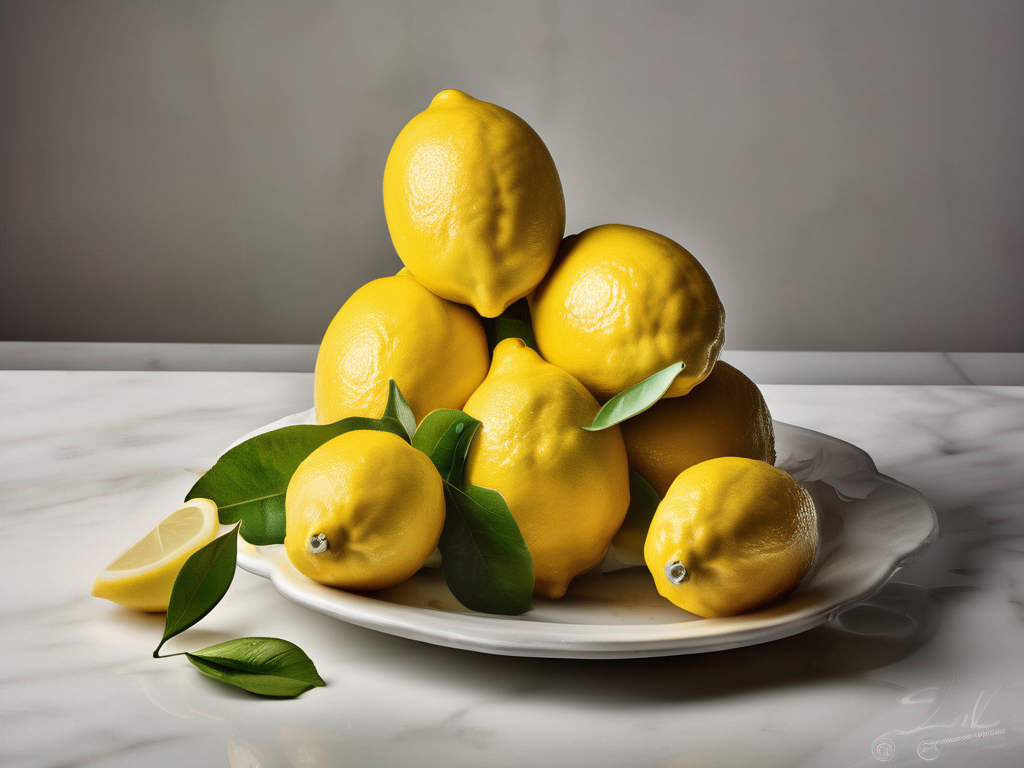
Preserving Lemons Whole: Tips to Extend Shelf Life
Preserving Lemons Whole: Tips to Extend Shelf Life
Lemons are a versatile citrus fruit that adds a burst of flavor to both sweet and savory dishes. However, lemons can sometimes spoil quickly if not stored properly. If you want to enjoy the tangy goodness of lemons for a longer period, learning how to preserve them whole is key. In this blog post, we will explore various methods to extend the shelf life of lemons and keep them fresh for longer periods. (Lemons whole)
Why Preserve Lemons Whole?
Preserving lemons whole offers several benefits, including:
- Extended Shelf Life: By preserving lemons whole, you can extend their freshness and usability.
- Convenience: Having preserved lemons on hand makes it easy to add a pop of citrus flavor to your dishes without the need to run to the store.
- Flavor Enhancement: Preserved lemons develop a unique, intense flavor that can elevate the taste of your dishes.
Methods for Preserving Lemons Whole
1. Salt-Preserved Lemons
Salt-preserved lemons are a popular method that enhances the lemon's flavor and texture. Here's how to make them:
Proper airflow and humidity control can significantly extend produce freshness. Many households use produce storage containers (Amazon) in the refrigerator to regulate moisture and slow spoilage.
Steps:
- Wash and dry the lemons thoroughly.
- Cut the lemons into quarters, leaving them attached at one end.
- Pack salt into the cuts of the lemons.
- Place the lemons in a sterilized jar and cover them with additional lemon juice.
- Seal the jar and let it sit at room temperature for a few weeks, shaking it occasionally.
2. Sugar-Preserved Lemons
Sugar-preserved lemons offer a sweet and tangy twist to your dishes. Here's how to make them:
Steps:
- Wash and dry the lemons.
- Cut the lemons into slices or wedges.
- Layer the lemon slices in a jar, sprinkling sugar between each layer.
- Seal the jar and let it sit in the refrigerator for a few days to allow the flavors to meld.
3. Freezing Lemons Whole
Freezing lemons whole is a simple method that preserves the lemons' freshness and flavor. Here's how to freeze lemons:
Steps:
- Wash and dry the lemons.
- Place the whole lemons in a freezer-safe bag or container.
- Label the container with the date and store it in the freezer for up to six months.
4. Dehydrating Lemons
Dehydrating lemons is another method to preserve them for an extended period. Here's how to dehydrate lemons:
Steps:
- Wash and dry the lemons.
- Slice the lemons thinly.
- Place the lemon slices on a dehydrator tray or a baking sheet.
- Dehydrate the lemon slices until they are completely dried.
- Store the dehydrated lemon slices in an airtight container in a cool, dry place.
Safety Tips for Preserving Lemons Whole
When preserving lemons whole, it's essential to keep food safety in mind. Here are some safety tips to follow:
- Use Clean and Sterilized Containers: Ensure that the jars or containers you use for preserving lemons are clean and sterilized to prevent contamination.
- Check for Spoilage: Before using preserved lemons, check for any signs of spoilage, such as mold or off odors.
- Store Properly: Store preserved lemons in a cool, dark place away from direct sunlight to maintain their quality.
Conclusion
Preserving lemons whole is a fantastic way to extend their shelf life and enjoy their bright, zesty flavor for longer periods. Whether you opt for salt-preserved lemons, sugar-preserved lemons, freezing, or dehydrating, each method offers a unique twist to your culinary creations. By following the tips and methods outlined in this post, you can ensure that your lemons stay fresh and flavorful whenever you need them. Experiment with different preservation techniques to find your favorite way to enjoy preserved lemons in your dishes. (Lemons whole)
Authoritative Food Safety References
These agencies and university labs inform every tip and health precaution we publish.
USDA FoodKeeper – Cold Storage Guidelines
Official refrigerator, freezer, and pantry timelines maintained by the U.S. Department of Agriculture.
Visit USDA FoodKeeperFDA Produce Safety Rule & Grower Guidance
Field-to-fridge handling practices that prevent contamination of fruits, vegetables, and leafy greens.
Visit FDA Produce SafetyCDC Foodborne Illness Prevention Hub
Surveillance-backed guidance on pathogens, symptoms, and steps to reduce foodborne illness risk.
Visit CDC Food SafetyUC Davis Postharvest Technology Center
University research detailing optimal storage atmospheres for produce after harvest.
Visit UC Davis PostharvestPenn State Extension – Home Food Preservation & Safety
Peer-reviewed extension bulletins on safe canning, chilling, and reheating practices.
Visit Penn State ExtensionDisclosure: As an Amazon Associate, we earn from qualifying purchases. This helps support our site and allows us to continue providing free food safety information.