How to Keep Pureed Carrots Fresh for Longer
How to Keep Pureed Carrots Fresh for Longer
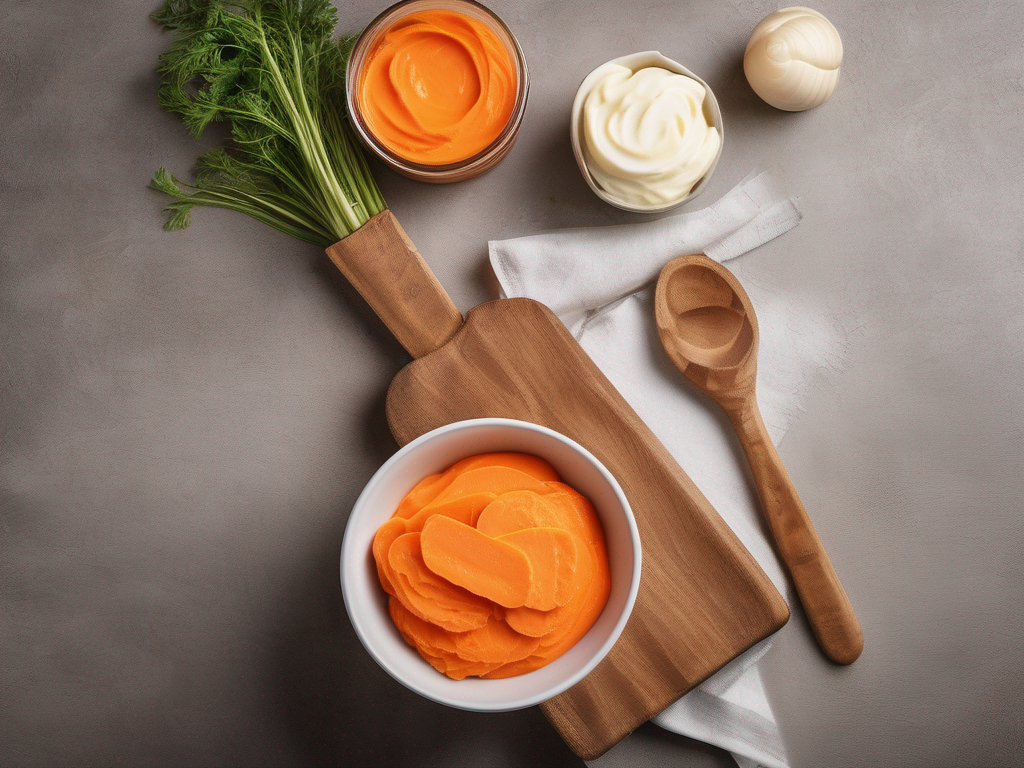
Pureed carrots are a nutritious and versatile ingredient that can be used in a variety of dishes, from soups and sauces to baked goods and smoothies. However, like any other food product, pureed carrots can spoil if not stored properly. In this blog post, we will discuss some practical tips and safety information to help you keep your pureed carrots fresh for longer. (Pureed carrots)
Why is Proper Storage Important?
Proper storage of pureed carrots is essential to maintain their freshness, flavor, and nutritional value. Storing pureed carrots correctly can help prevent them from spoiling prematurely and reduce the risk of foodborne illnesses. Here are some reasons why proper storage is important:
- Prevent Spoilage: Improper storage can cause pureed carrots to spoil quickly, leading to off flavors and textures.
- Maintain Nutritional Value: Proper storage helps preserve the nutritional content of pureed carrots, ensuring that you get the maximum nutritional quality.
- Reduce Waste: By storing pureed carrots correctly, you can extend their shelf life and minimize food waste.
Tips for Storing Pureed Carrots
Here are some practical tips to help you store pureed carrots properly and keep them fresh for longer:
1. Use Airtight Containers
- Store pureed carrots in airtight containers to prevent exposure to air, which can cause oxidation and spoilage.
- Make sure the containers are clean and dry before adding the pureed carrots to them.
2. Refrigerate Promptly
- After preparing or opening a container of pureed carrots, refrigerate them promptly to slow down bacterial growth and maintain freshness.
- Store pureed carrots in the refrigerator at a temperature below 40°F (4°C).
3. Label and Date Containers
- To keep track of the storage time, label the containers with the date when the pureed carrots were prepared or opened.
- Use the oldest pureed carrots first to ensure that none of them go to waste.
4. Freeze for Longer Storage
- If you want to store pureed carrots for an extended period, consider freezing them in freezer-safe containers or bags.
- Frozen pureed carrots can last for several months while maintaining their quality.
5. Follow Safe Handling Practices
- Wash your hands thoroughly before handling pureed carrots to prevent contamination.
- Use clean utensils and equipment when preparing, storing, or serving pureed carrots.
Safety Precautions
When storing pureed carrots, it's essential to follow safety precautions to prevent foodborne illnesses. Here are some safety tips to keep in mind:
- Avoid storing pureed carrots at room temperature for extended periods, as they can spoil quickly.
- Discard any pureed carrots that have an off smell, mold growth, or unusual texture.
- When reheating pureed carrots, make sure they reach a safe internal temperature of 165°F (74°C) to kill any harmful bacteria.
By following these tips and safety precautions, you can ensure that your pureed carrots stay fresh and safe to eat for an extended period.
Conclusion
Proper storage is crucial for maintaining the freshness and quality of pureed carrots. By using airtight containers, refrigerating promptly, labeling and dating containers, freezing for longer storage, and following safe handling practices, you can keep your pureed carrots fresh for longer and reduce food waste. Remember to always prioritize food safety when storing and handling pureed carrots to enjoy their nutritional benefits without any concerns. [Learn more about pureed carrots here](/food/pureed carrots). (Pureed carrots)
Related Posts
Here are some other articles you might find helpful:
Authoritative Food Safety References
These agencies and university labs inform every tip and health precaution we publish.
USDA FoodKeeper – Cold Storage Guidelines
Official refrigerator, freezer, and pantry timelines maintained by the U.S. Department of Agriculture.
Visit USDA FoodKeeperFDA Produce Safety Rule & Grower Guidance
Field-to-fridge handling practices that prevent contamination of fruits, vegetables, and leafy greens.
Visit FDA Produce SafetyCDC Foodborne Illness Prevention Hub
Surveillance-backed guidance on pathogens, symptoms, and steps to reduce foodborne illness risk.
Visit CDC Food SafetyUC Davis Postharvest Technology Center
University research detailing optimal storage atmospheres for produce after harvest.
Visit UC Davis PostharvestPenn State Extension – Home Food Preservation & Safety
Peer-reviewed extension bulletins on safe canning, chilling, and reheating practices.
Visit Penn State Extension