Easy Ways to Extend the Shelf Life of Cayenne Pepper in Your Pantry
Easy Ways to Extend the Shelf Life of Cayenne Pepper in Your Pantry
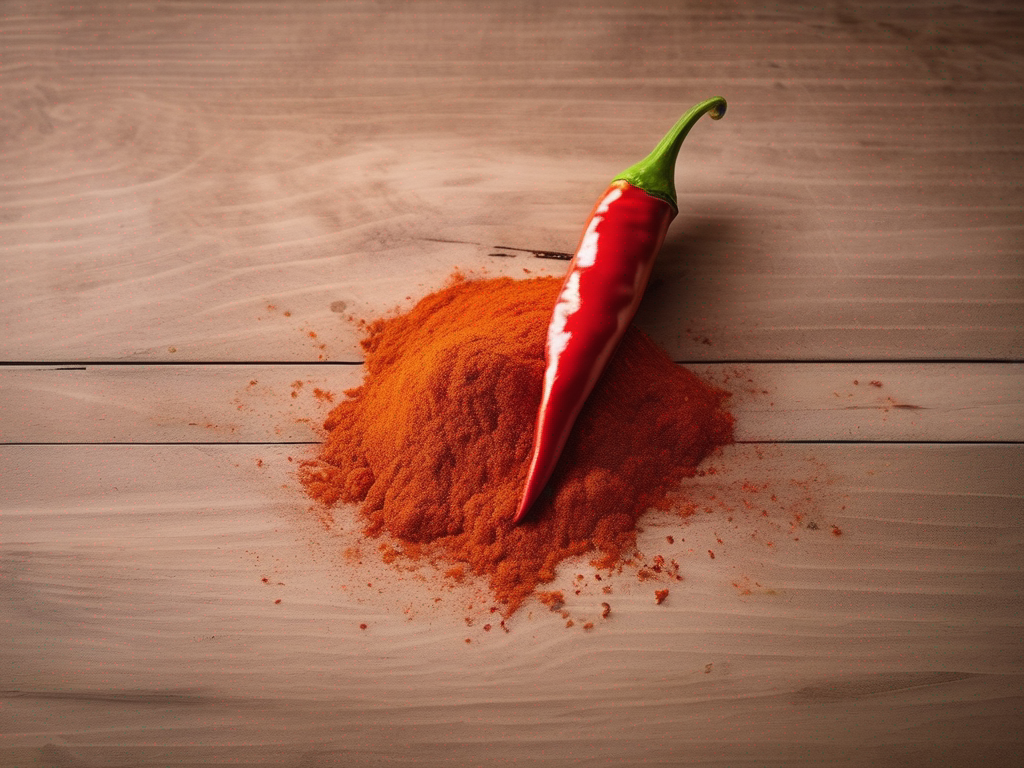
Cayenne pepper is a popular spice known for its fiery flavor and numerous nutritional quality. Whether you use it sparingly or liberally in your cooking, properly storing cayenne pepper is essential to maintain its flavor and potency. In this blog post, we will discuss some easy and practical ways to extend the shelf life of cayenne pepper in your pantry. (Cayenne pepper)
Understanding Cayenne Pepper
Cayenne pepper is a type of chili pepper that belongs to the nightshade family. It is typically dried and ground into a fine powder to be used as a spice. Cayenne pepper is rich in capsaicin, a compound that gives it its characteristic heat and provides various nutritional quality, including pain relief and improved digestion.
Why Proper Storage is Important
Proper storage is crucial for maintaining the flavor, aroma, and potency of cayenne pepper. Exposure to air, light, heat, and moisture can cause the spice to lose its flavor and color over time. By following the tips below, you can ensure that your cayenne pepper stays fresh for longer.
Tips to Extend the Shelf Life of Cayenne Pepper
1. Store in a Cool, Dark Place
- Avoid Exposure to Light: Light can cause cayenne pepper to lose its color and flavor. Store it in a dark pantry or cabinet away from direct sunlight.
- Maintain a Consistent Temperature: Fluctuations in temperature can affect the quality of cayenne pepper. Store it in a cool, dry place away from heat sources like the stove or oven.
2. Use Airtight Containers
- Choose the Right Container: Transfer your cayenne pepper to airtight containers such as glass jars or plastic containers with tight-fitting lids.
- Remove Air: Before sealing the container, press down on the spice to remove any excess air that could cause it to go stale.
3. Avoid Moisture
- Keep Dry: Moisture can cause cayenne pepper to clump and lose its potency. Ensure the spice is completely dry before storing it and avoid using wet spoons when handling it.
- Use Silica Gel Packs: Adding silica gel packs to the container can help absorb any excess moisture and keep the cayenne pepper dry.
4. Label and Date
- Stay Organized: Label the container with the date of purchase or expiration to help you keep track of the freshness of your cayenne pepper.
- Rotate Stock: Use older cayenne pepper first to ensure you are always using the freshest spice in your pantry.
5. Consider Freezing
- Long-Term Storage: If you have a large quantity of cayenne pepper or want to extend its shelf life even further, consider freezing it in a sealed freezer bag or airtight container.
- Thawing Tips: When you need to use the frozen cayenne pepper, allow it to come to room temperature before opening the container to prevent condensation.
Conclusion
By following these simple tips, you can ensure that your cayenne pepper stays fresh and flavorful for an extended period. Proper storage not only maintains the quality of the spice but also ensures that you get the maximum benefit from its unique flavor and health properties. Remember to check the freshness of your cayenne pepper periodically and replace it if it has lost its potency. Enjoy adding a kick of heat to your dishes with properly stored cayenne pepper! (Cayenne pepper)
Authoritative Food Safety References
These agencies and university labs inform every tip and health precaution we publish.
USDA FoodKeeper – Cold Storage Guidelines
Official refrigerator, freezer, and pantry timelines maintained by the U.S. Department of Agriculture.
Visit USDA FoodKeeperFDA Produce Safety Rule & Grower Guidance
Field-to-fridge handling practices that prevent contamination of fruits, vegetables, and leafy greens.
Visit FDA Produce SafetyCDC Foodborne Illness Prevention Hub
Surveillance-backed guidance on pathogens, symptoms, and steps to reduce foodborne illness risk.
Visit CDC Food SafetyUC Davis Postharvest Technology Center
University research detailing optimal storage atmospheres for produce after harvest.
Visit UC Davis PostharvestPenn State Extension – Home Food Preservation & Safety
Peer-reviewed extension bulletins on safe canning, chilling, and reheating practices.
Visit Penn State Extension