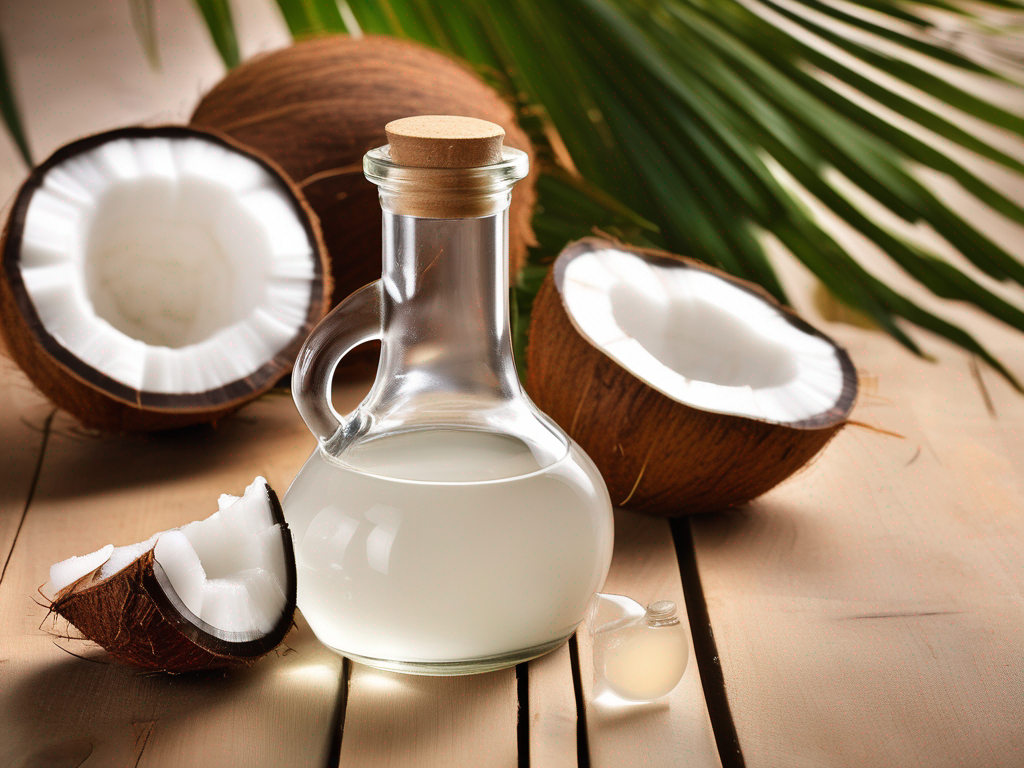
Does Organic Virgin Coconut Oil Expire?
Does Organic Virgin Coconut Oil Expire?
In recent years, organic virgin coconut oil has gained popularity for its numerous nutritional quality and versatile uses in cooking, skincare, and hair care. However, like any other food product, coconut oil can go bad over time. In this blog post, we will explore the shelf life of organic virgin coconut oil, how to store it properly, and signs that indicate it may have expired. (Coconut oil)
Understanding the Shelf Life of Organic Virgin Coconut Oil
Organic virgin coconut oil is known for its long shelf life compared to other oils. Due to its high saturated fat content, coconut oil is more resistant to oxidation and rancidity. However, it is essential to note that even organic virgin coconut oil can eventually go bad if not stored correctly.
Factors that Affect the Shelf Life of Coconut Oil
Several factors can impact the shelf life of organic virgin coconut oil:
Dairy products require consistent cold storage to prevent spoilage and bacterial growth. A refrigerator thermometer (Amazon) helps ensure your refrigerator maintains safe temperatures (40°F or below).
- Exposure to Heat and Light: Coconut oil should be stored in a cool, dark place away from direct sunlight and heat sources to prevent oxidation.
- Air and Moisture: Exposure to air and moisture can lead to the growth of mold and bacteria in the oil.
- Quality of the Oil: High-quality organic virgin coconut oil tends to have a longer shelf life compared to lower-quality oils.
- Storage Container: Using a clean, airtight container can help extend the shelf life of coconut oil.
How to Store Organic Virgin Coconut Oil Properly
To ensure the longevity of your organic virgin coconut oil, follow these storage tips:
Proper Storage Conditions
- Store in a cool, dark place such as a pantry or cupboard.
- Keep the oil away from heat sources and direct sunlight.
- Ensure the container is tightly sealed to prevent air and moisture exposure.
Shelf Life Recommendations
- Unopened coconut oil can last up to two years or more if stored properly.
- Once opened, organic virgin coconut oil typically remains fresh for about six months to a year.
Refrigeration
While not necessary, refrigerating coconut oil can further extend its shelf life, especially in warm climates.
Signs that Organic Virgin Coconut Oil Has Expired
Even with proper storage, organic virgin coconut oil can eventually go rancid. Here are some signs that indicate your coconut oil may have expired:
After opening, transferring dairy into an airtight container (Amazon) can reduce odor absorption, limit moisture exposure, and help slow bacterial growth.
- Unpleasant Odor: Rancid coconut oil will have a foul or off smell.
- Off-Color: The oil may appear discolored or have noticeable dark spots.
- Strange Texture: Expired coconut oil may have a grainy or slimy texture.
- Taste Test: If the oil tastes off or bitter, it is likely spoiled.
common situation
Imagine Sarah, a busy mom who loves to cook with organic virgin coconut oil. She purchased a large jar, excited to use it for cooking and baking. After a few months, she noticed the oil had an unusual smell, which she initially dismissed. One day, while preparing her favorite coconut curry, she decided to use the oil regardless. Unfortunately, the rancid flavor ruined the dish, leading to a family dinner disappointment. If only Sarah had checked her oil's freshness before using it!
Another case is Tom, who bought coconut oil for his skincare regimen. He stored it in a bathroom cabinet, where fluctuating humidity might have impacted its quality. One morning, he noticed the oil had turned grainy. He hesitated but decided to apply it on his skin anyway, which resulted in an itchy rash. Proper storage would have helped avoid this unfortunate incident.
Lastly, consider Emily, a health-conscious individual who uses coconut oil for oil pulling as part of her oral hygiene routine. She stored her coconut oil in a clear glass jar on her kitchen counter, where it was frequently exposed to sunlight. Over time, she noticed the oil began to taste different and had lost its fresh coconut aroma. After discovering that her oil had gone rancid, she learned the importance of proper storage and switched to an opaque container stored in a drawer.
Scientific Context: The Longevity of Coconut Oil
From a scientific perspective, organic virgin coconut oil is rich in medium-chain triglycerides (MCTs), which are known for their stability and resistance to oxidation. This is one reason why coconut oil can remain stable and last longer than many polyunsaturated oils. MCTs have antimicrobial properties, which can also help in preserving the oil for an extended period. However, the effectiveness of these properties diminishes when exposed to unfavorable conditions, such as heat and light.
Coconut oil contains lauric acid, a fatty acid that has been shown to have nutritional quality, such as boosting heart health and aiding in weight management. However, if the oil goes rancid, these benefits are compromised, making it essential to consume it while it’s still fresh.
Research has shown that the antioxidant properties of coconut oil can help combat oxidative stress in the body, but these benefits are only effective if the oil is of high quality and stored properly. So, not only is it important to ensure the oil's freshness, but it’s also crucial to source it from reputable suppliers who guarantee its quality.
Practical Tips for Extending Shelf Life
- Buy Smaller Quantities: If you use coconut oil infrequently, consider purchasing smaller jars. This way, you’re less likely to have oil that sits around for too long.
- Use a Spatula: Avoid putting your hands directly into the jar, as this can introduce bacteria. Instead, use a clean spatula to scoop out the oil.
- Check the Label: When purchasing coconut oil, look for one that has a clear expiration date or "best by" date. This will give you a better idea of its freshness.
- Monitor Temperature: If you live in a warm climate, consider using a temperature-controlled pantry or cupboard. Keeping the oil at a consistent cool temperature can help preserve its quality.
- Avoid the Fridge Unless Necessary: While refrigeration can prolong the shelf life of coconut oil, it can also cause the oil to solidify and make it difficult to use. Choose a cool, dark pantry for the best compromise.
Common Mistakes to Avoid
- Ignoring Storage Guidelines: One major mistake people often make is ignoring the storage recommendations. Leaving coconut oil on a countertop where it’s exposed to heat can reduce its shelf life substantially.
- Using Without Checking: Some individuals tend to use the oil without checking for signs of spoilage. Always assess the smell, color, and texture before use.
- Assuming All Coconut Oils Are Equal: Not all coconut oils are created equal. Some may undergo refining processes that can affect their longevity and quality. Stick to high-quality organic virgin coconut oil for the best experience.
- Storing Near the Stove: Many people keep oils near their cooking area for convenience. However, the heat emitted from cooking can lead to faster spoilage. Consider relocating your oil to a cooler area.
Expert Insights and Safety Warnings
As a food safety expert, I recommend regularly checking your coconut oil for freshness and adhering to the storage guidelines above. It’s often better to err on the side of caution. If you have any doubts about the quality of your oil, it’s best to discard it. Rancid oils can not only ruin your recipes but may also pose health risks if ingested.
Additionally, always label your containers with the date of purchase or opening. This simple practice can help you keep track of how long the oil has been stored and can prevent you from using expired products. I've found that maintaining a simple inventory of pantry items can be a game-changer.
When using coconut oil in cooking, Common situations include test before adding it to your dishes, especially if it’s been sitting for a while. A little sniff and taste can save you from a culinary disaster.
Conclusion
In conclusion, organic virgin coconut oil has a relatively long shelf life if stored properly. By following the tips mentioned in this post, you can ensure that your coconut oil remains fresh and flavorful for an extended period. Remember to keep it away from heat, light, air, and moisture, and pay attention to signs of spoilage to enjoy the full benefits of this versatile oil.
For more information on the benefits of coconut oil, check out our article on [coconut oil](/food/coconut oil). (Coconut oil)
Related Posts
Here are some other articles you might find helpful:
- Does Coconut Oil Have an Expiration Date?
- Does Butter Go Bad After the Expiration Date?
- Can You Eat Butter Past the Expiration Date?
- Does Coconut Oil Have an Expiration Date?
- Comprehensive Food Storage List for 1 Year PDF

Authoritative Food Safety References
These agencies and university labs inform every tip and health precaution we publish.
USDA FoodKeeper – Cold Storage Guidelines
Official refrigerator, freezer, and pantry timelines maintained by the U.S. Department of Agriculture.
Visit USDA FoodKeeperFDA Produce Safety Rule & Grower Guidance
Field-to-fridge handling practices that prevent contamination of fruits, vegetables, and leafy greens.
Visit FDA Produce SafetyCDC Foodborne Illness Prevention Hub
Surveillance-backed guidance on pathogens, symptoms, and steps to reduce foodborne illness risk.
Visit CDC Food SafetyUC Davis Postharvest Technology Center
University research detailing optimal storage atmospheres for produce after harvest.
Visit UC Davis PostharvestPenn State Extension – Home Food Preservation & Safety
Peer-reviewed extension bulletins on safe canning, chilling, and reheating practices.
Visit Penn State ExtensionFrequently Asked Questions
How can I tell if my organic virgin coconut oil has gone bad?
How should I store organic virgin coconut oil to prolong its shelf life?
Can I use expired organic virgin coconut oil for cooking or skincare?
Can I refrigerate organic virgin coconut oil to extend its shelf life?
Disclosure: As an Amazon Associate, we earn from qualifying purchases. This helps support our site and allows us to continue providing free food safety information.