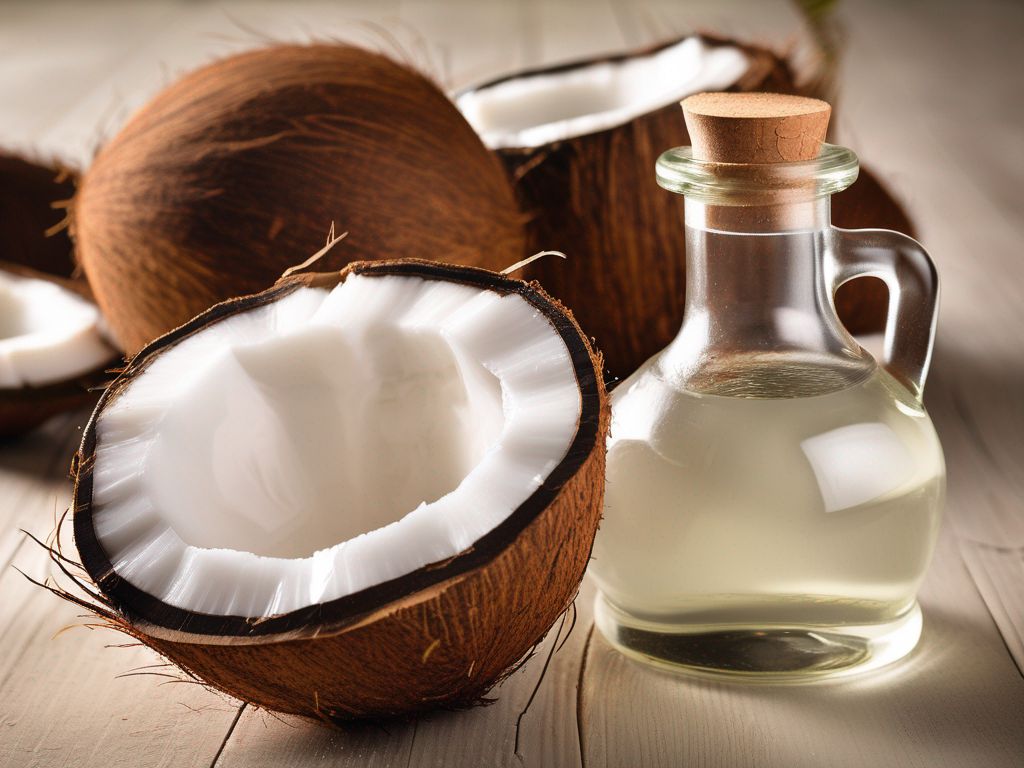
Does Coconut Oil Have an Expiration Date?
Does Coconut Oil Have an Expiration Date?
Coconut oil is a versatile and popular ingredient used in cooking, baking, skincare, and more. It is known for its numerous nutritional quality and unique flavor profile. However, many people wonder: does coconut oil expire? In this comprehensive guide, we will explore the shelf life of coconut oil, how to store it properly, and practical tips for ensuring its freshness and safety. (Coconut oil)
Understanding the Shelf Life of Coconut Oil
Coconut oil is a stable fat with a long shelf life, thanks to its high saturated fat content. When properly stored, coconut oil can last for a significant amount of time without going bad. However, it is essential to understand that coconut oil does have a limited shelf life, and factors such as storage conditions and quality can impact its longevity.
Factors Affecting the Shelf Life of Coconut Oil
Several factors can influence the shelf life of coconut oil:
Dairy products require consistent cold storage to prevent spoilage and bacterial growth. A refrigerator thermometer (Amazon) helps ensure your refrigerator maintains safe temperatures (40°F or below).
- Quality: High-quality, unrefined coconut oil tends to have a longer shelf life compared to lower quality or refined versions.
- Storage Conditions: Proper storage is crucial for maintaining the freshness of coconut oil. Exposure to light, heat, and air can accelerate the oxidation process and shorten its shelf life.
- Contamination: Introducing moisture or foreign particles into the coconut oil can lead to bacterial growth and spoilage.
- Processing: The method of extraction and processing can impact the stability and shelf life of coconut oil.
Determining the Freshness of Coconut Oil
It is essential to check the freshness of coconut oil before using it, especially if it has been stored for an extended period. Here are some signs that coconut oil may have gone bad:
Signs of Rancidity
- Off Odor: Rancid coconut oil may have a sour, musty, or unpleasant smell.
- Off Flavor: The taste of rancid coconut oil can be bitter, soapy, or off-putting.
- Change in Color: Rancid coconut oil may appear yellowish or have a cloudy or murky appearance.
- Texture Changes: Spoiled coconut oil may become clumpy, grainy, or have an unusual consistency.
If you notice any of these signs, it is best to discard the coconut oil to prevent any adverse effects on your health or the quality of your dishes.
Proper Storage Tips for Coconut Oil
To maximize the shelf life of coconut oil and maintain its freshness, follow these storage tips:
After opening, transferring dairy into an airtight container (Amazon) can reduce odor absorption, limit moisture exposure, and help slow bacterial growth.
- Cool and Dark Location: Store coconut oil in a cool, dark place away from direct sunlight and heat sources.
- Airtight Container: Transfer coconut oil to an airtight container to protect it from exposure to air and moisture.
- Avoid Contamination: Use clean, dry utensils when scooping out coconut oil to prevent contamination.
- Refrigeration: While not necessary, storing coconut oil in the refrigerator can extend its shelf life, especially in warm climates.
- Freezing: Coconut oil can be frozen for long-term storage. Allow it to thaw at room temperature before using.
Does Coconut Oil Have an Expiration Date?
Coconut oil typically comes with a "best by" or "use by" date on the packaging. While this date is a guideline for optimal quality, coconut oil does not technically expire in the same way as perishable foods. Instead, it may start to deteriorate over time, affecting its taste, aroma, and nutritional properties.
Tips for Extending the Shelf Life of Coconut Oil
- Rotate Stock: Use older coconut oil first to ensure freshness.
- Purchase in Small Quantities: Buy coconut oil in amounts that you can use within a reasonable time frame.
- Label and Date: If transferring coconut oil to a different container, label it with the date of purchase to track its freshness.
common situation
Consider Jane, a baking enthusiast who loves experimenting with new recipes. She bought a large jar of coconut oil for a specific cake recipe and stored it in a sunny kitchen cabinet. A few months later, she noticed that the oil smelled funny and was discolored. Instead of using it, she decided to buy a fresh jar, realizing that the sunlight had degraded its quality. Jane also learned that coconut oil is best stored in a pantry away from direct light, something she’ll keep in mind for her next baking adventure.
Then there's Mark, who uses coconut oil as a moisturizer. He bought an unrefined jar after hearing about its benefits for skin health. After a while, he noticed that the oil had become clumpy and had an off smell. Not wanting to waste it, Mark checked the expiration date and realized that he had forgotten to close the lid tightly. This experience taught him the importance of keeping the container sealed and storing it in a cool place to maintain its integrity.
Scientific Context
From a scientific perspective, the stability of coconut oil can be attributed to its high saturated fat content, which makes it less prone to oxidation than unsaturated oils. Moreover, the presence of medium-chain triglycerides (MCTs) in coconut oil offers several nutritional benefits, including potential weight management and increased energy levels. However, even the healthiest oils can undergo changes over time.
When coconut oil is exposed to high temperatures or light, it can undergo a process called lipid peroxidation, leading to rancidity. This process can generate unpleasant flavors, odors, or reduced nutritional quality, which are harmful to our health. To prevent this, always store your coconut oil in a stable, cool environment and use it within a reasonable timeframe.
Common Mistakes
Many people erroneously believe that coconut oil can last indefinitely because of its saturated fat profile. While it's true that coconut oil is more stable than many other oils, it's essential to recognize the signs of spoilage. A common mistake is not checking the oil before use, even if it appears visually fine. Always smell and taste a small amount to ensure it’s still good to use.
Another frequent error is keeping coconut oil in the pantry without considering temperature fluctuations. For instance, placing it near the stove can expose it to heat, leading to quicker spoilage. Additionally, many don’t realize that moisture from utensils or even hands can lead to contamination, leading to spoilage faster than usual.
Expert Insights
Food safety experts recommend that consumers be proactive in checking the quality of their cooking oils, including coconut oil. If you notice any changes in aroma, flavor, or texture, it’s better to err on the side of caution and discard it. Furthermore, if you're in an environment with high humidity, consider storing coconut oil in smaller jars to minimize exposure to air and moisture every time you open the larger container.
Moreover, when purchasing coconut oil, opt for reputable brands that offer quality assurance and transparency about their extraction methods. Organic and cold-pressed options are often safer bets for maintaining the oil's natural properties, thus prolonging its shelf life.
Storage Methods
In addition to the storage tips already mentioned, consider these detailed techniques:
- Mason Jars: Use glass mason jars for storing coconut oil. They are airtight, reduce exposure to light, and are easy to clean.
- Dark Glass Containers: If you're worried about light exposure, dark glass containers can offer added protection against UV rays.
- Vacuum Sealing: For long-term storage, consider vacuum sealing coconut oil. This method removes air, significantly slowing down the oxidation process.
By using these methods, you’ll be able to enjoy your coconut oil's benefits for much longer.
Safety Warnings
Always remember that cooking oils can harbor bacteria if not stored or handled properly. Contamination can lead to foodborne illness, so ensure your hands and utensils are clean. If you’ve used coconut oil in cooking, avoid putting it back into the original container if it has been exposed to other ingredients. This is especially important if those ingredients were not cooked, as they can introduce harmful pathogens.
Conclusion
In conclusion, coconut oil does not have a strict expiration date but can deteriorate over time if not stored correctly. By understanding the factors that impact its shelf life, checking for signs of rancidity, and following proper storage guidelines, you can enjoy the benefits of coconut oil while ensuring its quality and safety. Remember to use high-quality coconut oil, store it properly, and monitor its freshness to make the most of this versatile ingredient.
For more information on [coconut oil](/food/coconut oil) and other food safety tips, stay tuned to our blog for future updates and insights. Happy cooking! (Coconut oil)
Related Posts
Here are some other articles you might find helpful:
Authoritative Food Safety References
These agencies and university labs inform every tip and health precaution we publish.
USDA FoodKeeper – Cold Storage Guidelines
Official refrigerator, freezer, and pantry timelines maintained by the U.S. Department of Agriculture.
Visit USDA FoodKeeperFDA Produce Safety Rule & Grower Guidance
Field-to-fridge handling practices that prevent contamination of fruits, vegetables, and leafy greens.
Visit FDA Produce SafetyCDC Foodborne Illness Prevention Hub
Surveillance-backed guidance on pathogens, symptoms, and steps to reduce foodborne illness risk.
Visit CDC Food SafetyUC Davis Postharvest Technology Center
University research detailing optimal storage atmospheres for produce after harvest.
Visit UC Davis PostharvestPenn State Extension – Home Food Preservation & Safety
Peer-reviewed extension bulletins on safe canning, chilling, and reheating practices.
Visit Penn State ExtensionDisclosure: As an Amazon Associate, we earn from qualifying purchases. This helps support our site and allows us to continue providing free food safety information.