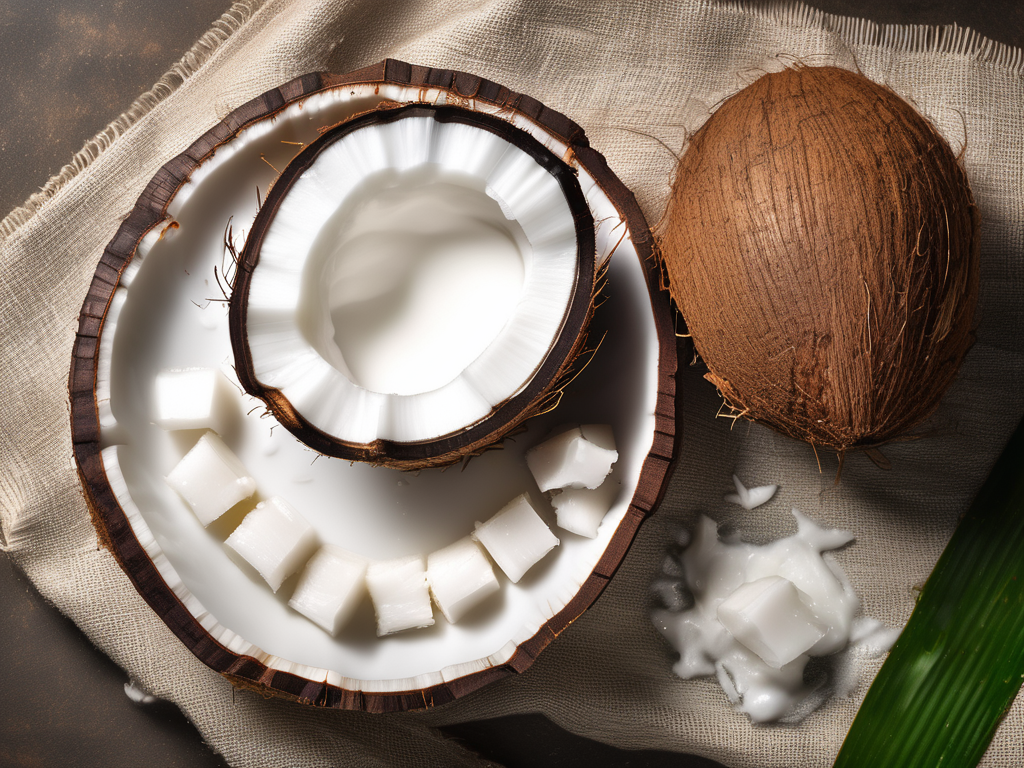
The Shelf Life of Coconut Oil: What You Need to Know
The Shelf Life of Coconut Oil: What You Need to Know
Coconut oil is a versatile and popular ingredient in cooking, baking, skincare, and hair care. Known for its numerous nutritional quality and unique flavor, coconut oil is a staple in many households. However, like any other food product, coconut oil has a limited shelf life. In this blog post, we will explore the factors that affect the shelf life of coconut oil, how to properly store it, and practical tips to ensure its freshness and quality. (Coconut oil)
Factors Affecting the Shelf Life of Coconut Oil
Coconut oil is a stable fat with a long shelf life compared to other oils. However, several factors can affect its quality and freshness over time:
1. Type of Coconut Oil
- Virgin coconut oil: This type is made from fresh coconut meat, and it retains more nutrients and antioxidants, giving it a longer shelf life.
- Refined coconut oil: This variety undergoes processing that removes impurities and extends its shelf life.
2. Quality of the Oil
- High-quality, cold-pressed coconut oil tends to have a longer shelf life due to minimal processing and better preservation of nutrients.
3. Storage Conditions
- Exposure to light, heat, air, and moisture can accelerate the oxidation process, leading to rancidity and spoilage.
- Proper storage is crucial to maintaining the freshness and quality of coconut oil.
common situation
Imagine Sarah, a busy mother of three, who loves to use coconut oil in her cooking. One day, she discovers a jar of coconut oil tucked away in the back of her pantry. After checking the expiration date, she’s relieved to see it’s still good but decides to taste it first. Surprisingly, it has a strange odor. Instead of using it, she recalls her husband’s warning about using expired oils. Thankfully, she decided to trust her instincts, preventing a potentially unpleasant meal.
Dairy products require consistent cold storage to prevent spoilage and bacterial growth. A refrigerator thermometer (Amazon) helps ensure your refrigerator maintains safe temperatures (40°F or below).
In another situation, David, a college student, uses coconut oil as a moisturizer. He often leaves the jar in the bathroom, where it’s exposed to humidity and temperature fluctuations. After a few months, he notices the oil has changed color and developed an off-smell. Unfortunately, he wasn’t aware that moisture can spoil oil quickly, and he learns the hard way that coconut oil should be kept in a cool, dark place.
These stories highlight the importance of understanding how our habits can affect the shelf life of coconut oil, reminding us to be mindful of storage conditions.
Proper Storage Tips for Coconut Oil
To maximize the shelf life of your coconut oil and ensure its quality, follow these practical storage tips:
After opening, transferring dairy into an airtight container (Amazon) can reduce odor absorption, limit moisture exposure, and help slow bacterial growth.
1. Store in a Cool, Dark Place
- Keep coconut oil away from direct sunlight and heat sources to prevent oxidation.
- Store it in a cool pantry or cabinet away from the stove or oven.
2. Use Airtight Containers
- Transfer coconut oil to a clean, airtight container to minimize exposure to air and moisture.
- Ensure the lid is tightly sealed to prevent contamination.
3. Avoid Temperature Fluctuations
- Keep coconut oil at a consistent temperature to prevent it from melting and solidifying repeatedly, which can affect its quality.
4. Check for Signs of Spoilage
- Inspect the coconut oil for any changes in color, texture, or smell.
- Discard if you notice any off-putting odors or flavors, as these are signs of rancidity.
5. Refrigeration
- While not necessary, storing coconut oil in the refrigerator can extend its shelf life, especially in warm climates.
- Note that refrigerated coconut oil may solidify, but it will return to its liquid state at room temperature.
6. Avoid Using Contaminated Utensils
- Always use clean, dry utensils when scooping out coconut oil. Introducing moisture or food particles can lead to spoilage.
Scientific Context: Understanding Rancidity
Rancidity is a chemical process that occurs when fats and oils undergo oxidation. Oxygen interacts with the fatty acids in coconut oil, leading to the formation of unpleasant flavors, odors, or reduced nutritional quality. This not only alters the taste and smell but can also produce unpleasant flavors, odors, or reduced nutritional quality. Generally, rancid oil may not cause immediate health issues but can affect your overall wellbeing over time due to the presence of these undesirable byproducts.
Coconut oil has a high saturated fat content, which makes it more stable than polyunsaturated oils like vegetable or sunflower oils. However, even coconut oil isn't immune to rancidity, particularly if not stored properly.
How Long Does Coconut Oil Last?
The shelf life of coconut oil varies depending on the type, quality, and storage conditions. Here are some general guidelines:
- Unopened coconut oil: Can last up to 2 years or more if stored properly.
- Opened coconut oil: Typically remains fresh for about 6 months to 1 year, but this can vary.
- Refrigerated coconut oil: Can last up to 3-4 years if stored correctly.
It's essential to check the expiration date on the packaging and use your judgment to determine if the coconut oil is still suitable for consumption.
Common Mistakes
Many people unknowingly make mistakes when it comes to storing coconut oil. Here are a few common pitfalls to avoid:
- Ignoring the Storage Location: Placing coconut oil near heat sources, like the stove, can significantly shorten its shelf life.
- Not Checking Expiration Dates: It's easy to overlook the expiration date, but regularly checking can save you from using spoiled oil.
- Using Old Utensils: People often use the same spoon or knife without cleaning it first, introducing contaminants into the jar.
- Freezing: While some oils can be frozen for preservation, coconut oil solidifies at cooler temperatures. This isn’t harmful, but it can alter its texture and make it less convenient to use.
Expert Insights
Food safety experts recommend regularly rotating your pantry items, including coconut oil. This practice, often referred to as "first in, first out," ensures that older items are used before newer ones, reducing waste and the likelihood of consuming spoiled products. Additionally, when purchasing coconut oil, consider its source and quality. Organic and non-GMO varieties often provide better nutritional quality and longer shelf life.
Storage Methods
When it comes to storing coconut oil, you can employ various methods to enhance its longevity:
- Original Packaging: If the coconut oil comes in a dark glass jar, this is usually sufficient to block out light; just ensure it’s sealed tightly.
- Mason Jars: These are excellent airtight options that help maintain the quality of coconut oil. Choose a size that fits your usage to minimize air exposure.
- Pump Containers: If you use coconut oil frequently for cooking or skincare, consider transferring it to a pump container. This prevents the need for scooping, which can introduce contaminants.
Safety Warnings
Always be cautious when using coconut oil that has surpassed its shelf life. If you're in doubt about its freshness, it's better to err on the side of caution and discard it. Rancid coconut oil can lead to digestive discomfort, and while it's unlikely to cause serious health issues, avoiding it is the best course of action.
Conclusion
In conclusion, understanding the shelf life of coconut oil and how to store it properly is key to maintaining its freshness and quality. By following the tips outlined in this blog post, you can prolong the shelf life of your coconut oil and enjoy its benefits in various applications. Remember to store coconut oil in a cool, dark place, use airtight containers, and monitor for any signs of spoilage. With proper care and attention, your coconut oil can remain a valuable ingredient in your kitchen and beauty routine for an extended period. [Coconut oil](/food/coconut oil) (Coconut oil)
Related Posts
Here are some other articles you might find helpful:
- Understanding Butter Expiration: How to Store Butter Safely
- Does Coconut Oil Go Bad: Understanding Food Safety and Storage
- The Ultimate Guide to Properly Storing Coconut Oil to Prevent Rancidity
- The Ultimate Guide to Extending the Shelf Life of Coconut Oil
- The Ultimate Guide to DIY Coffee Preservation Methods for Longer Shelf Life
Authoritative Food Safety References
These agencies and university labs inform every tip and health precaution we publish.
USDA FoodKeeper – Cold Storage Guidelines
Official refrigerator, freezer, and pantry timelines maintained by the U.S. Department of Agriculture.
Visit USDA FoodKeeperFDA Produce Safety Rule & Grower Guidance
Field-to-fridge handling practices that prevent contamination of fruits, vegetables, and leafy greens.
Visit FDA Produce SafetyCDC Foodborne Illness Prevention Hub
Surveillance-backed guidance on pathogens, symptoms, and steps to reduce foodborne illness risk.
Visit CDC Food SafetyUC Davis Postharvest Technology Center
University research detailing optimal storage atmospheres for produce after harvest.
Visit UC Davis PostharvestPenn State Extension – Home Food Preservation & Safety
Peer-reviewed extension bulletins on safe canning, chilling, and reheating practices.
Visit Penn State ExtensionDisclosure: As an Amazon Associate, we earn from qualifying purchases. This helps support our site and allows us to continue providing free food safety information.