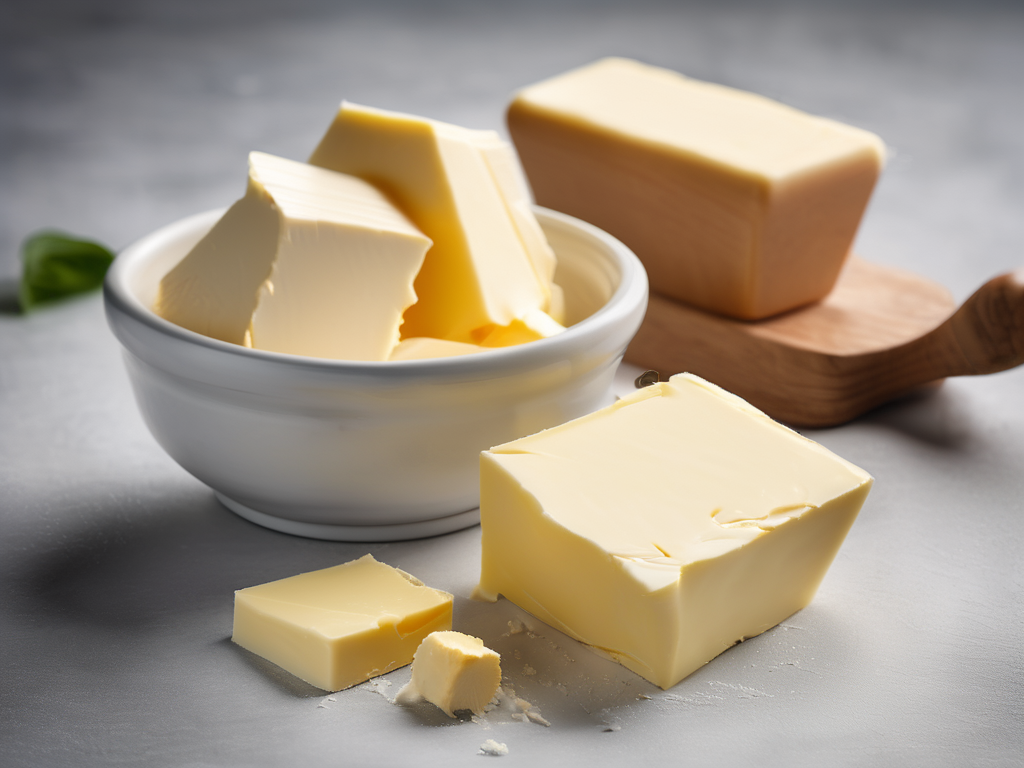
Does Butter Expire if Refrigerated?
CanIEatExpired.com Team
# Does Butter Expire if Refrigerated?

Butter is a staple in most kitchens, adding flavor and richness to dishes. Whether you use it for baking, cooking, or simply spreading on toast, it's essential to know how to properly store and handle butter to ensure its quality and safety. In this blog post, we will explore the topic of whether butter expires if refrigerated, along with practical tips for maintaining its freshness. ([Butter](https://canieatexpired.com/food/butter))

## How Long Does Butter Last in the Fridge?

Butter is a dairy product made from cream and typically has a high fat content, which helps preserve it for an extended period. When stored correctly in the refrigerator, butter can last for several weeks to a few months. Here are some key points to consider:

### Factors Affecting Butter Shelf Life
- **Type of Butter:** Unsalted butter tends to have a shorter shelf life than salted butter due to the absence of salt, which acts as a preservative.
- **Packaging:** Butter stored in its original packaging or an airtight container will last longer than exposed butter.
- **Temperature:** Refrigeration is key to extending the shelf life of butter. Keep the temperature consistently cold to prevent spoilage.
- **Contamination:** Avoid cross-contamination by using clean utensils and keeping the butter covered when not in use.

### Signs of Spoiled Butter
While butter can last for a significant amount of time in the fridge, it can still spoil under certain conditions. Here are some signs that your butter may have gone bad:
1. **Off Odor:** Rancid or sour smell.
2. **Change in Color:** Yellowing or darkening of the butter.
3. **Unusual Texture:** Mold growth, sliminess, or separation of ingredients.
4. **Taste:** Bitter or unpleasant taste.

## Tips for Storing Butter in the Refrigerator

Proper storage is essential for maintaining the quality and safety of butter. Follow these tips to ensure your butter stays fresh for as long as possible:

### Storing Unopened Butter
1. **Keep it Cool:** Store unopened butter in the coldest part of the refrigerator, away from the door to avoid temperature fluctuations.
2. **Original Packaging:** If the butter is in its original packaging, ensure it is sealed tightly to prevent absorption of other odors in the fridge.
3. **Use-By Date:** Check the expiration date on the packaging and consume the butter before it expires for the best quality.

### Storing Opened Butter
1. **Airtight Container:** Transfer leftover butter to an airtight container or wrap it tightly in plastic wrap to prevent it from absorbing odors and flavors.
2. **Butter Dish:** If you prefer to keep butter at room temperature for spreading, use a butter dish with a lid to protect it from contaminants.

### Additional Tips
- **Butter Keeper:** Consider using a butter keeper, which is a specialized container designed to keep butter fresh at room temperature.
- **Freezing:** If you have excess butter or want to extend its shelf life, you can freeze it for several months. Wrap it tightly in foil or plastic wrap before freezing.

## common situation: When Butter Quality Matters

Imagine preparing a big family meal for the holidays, and you pull out your butter only to find it's past its prime. You know how essential butter is for that flaky pie crust or creamy mashed potatoes. In moments like these, understanding how to tell if your butter is still good can save you from a culinary disaster.

In another instance, let’s say you have a busy week ahead, and you buy butter in bulk to minimize trips to the store. If you don’t store it properly, you might end up with butter that’s gone bad before you can even use it, leading to waste and frustration. Knowing the right storage methods can help you enjoy fresh butter throughout the week.

### More common Examples
Consider Sarah, an avid baker who often bakes cookies for her kids' school events. One day, she confidently reached for what she thought was a fresh block of butter but was met with a rancid smell instead. It was a busy evening, and she quickly turned to her pantry to check if she had backup butter. Unfortunately, it was also past its prime. After a frantic search, she learned to always keep an eye on her butter’s expiration dates and to store an extra block in the freezer for emergencies.

Or think about Tom, who decided to host a weekend brunch with his friends. In his excitement, he bought multiple ingredients but forgot to check the butter's storage. When the time came to whip up his famous buttered pancakes, he was dismayed to find that his butter had absorbed the strong odors of the garlic he stored nearby. This moment taught Tom the importance of keeping butter sealed and away from pungent foods to maintain its delightful taste.

## Scientific Context: Why Does Butter Spoil?

Butter spoils primarily due to the oxidation of fats and the activity of bacteria. The high-fat content in butter does give it a longer shelf life than many perishable foods, but once exposed to air, light, and warm temperatures, the fats can begin to oxidize, leading to rancidity. This process is accelerated if the butter is unsalted, as salt acts as a natural preservative.

Additionally, when butter is left out of the fridge for too long, bacteria can start to proliferate, leading to spoilage. Always remember that while butter has a substantial fat content that helps in preservation, it's still susceptible to changes in quality.

### Nutritional Insights
Interestingly, butter is not only a culinary staple but also a source of essential nutrients. It contains vitamins A, D, E, and K, which are important for various bodily functions. However, the way butter is stored can impact its nutritional value. Rancid butter may lose some of its nutritional benefits, as oxidized fats can affect the stability of fat-soluble vitamins.

## Common Mistakes in Butter Storage

Many people mistakenly believe that butter is immune to spoiling just because it’s a fat. Here are a few common mistakes that can lead to wasted butter:

- **Not Checking Expiration Dates:** It’s easy to forget about old butter buried in the back of the fridge. Regularly checking the expiration date can help avoid using old butter.
- **Storing Butter Near Strong Odors:** Butter easily absorbs nearby odors, so storing it next to pungent foods like onions or garlic can compromise its flavor.
- **Using Contaminated Utensils:** If you use a knife that has come into contact with other foods, you run the risk of introducing bacteria to your butter.
- **Overlooking Temperature Fluctuations:** Frequently opening and closing the fridge can lead to temperature changes that affect butter quality. Try to minimize the time the fridge door is open when accessing ingredients.

## Expert Insights: Recommendations from Food Safety Professionals

According to food safety experts, the best way to ensure the longevity of your butter is to treat it with care. Food safety guidance from public health agencies, a food scientist, recommends always keeping butter tightly sealed. “The more you expose butter to air, the more quickly it will spoil,” she explains.

She also emphasizes checking the fridge’s temperature. “Your refrigerator should be set at or below 40°F (4°C) for optimal food safety,” Food safety guidance from public health agencies advises.

Another expert, culinary nutritionist Mark Terranova, suggests that consumers should not only rely on visual cues but also on their sense of smell and taste when checking butter's freshness. “If it smells off or tastes unpleasant, it’s best to discard it,” he adds.

## FAQs About Butter Expiration

### Can You Use Expired Butter?
While consuming slightly expired butter may not necessarily make you sick, it may have an off taste or texture. It's best to discard butter that is significantly past its expiration date.

### How to Extend Butter Shelf Life?
To extend the shelf life of butter, consider freezing it in portioned sizes for easy use. Thaw frozen butter in the refrigerator before using it.

### Does Butter Need to Be Refrigerated?
Butter can be stored at room temperature for short periods, but refrigeration is recommended to maintain its freshness for longer periods.

### Safety Warnings
When storing butter, always be cautious about how long it is left out. While some people prefer having butter at room temperature for easier spreading, it should not be left out for more than a couple of days, especially in warmer climates. Always ensure that the butter is covered to prevent contamination and bacterial growth.

## Conclusion

Proper storage and handling are essential for maintaining the quality and safety of butter. While butter can last for weeks to months in the refrigerator, it's crucial to monitor signs of spoilage and follow best practices for storage. By following the tips outlined in this blog post, you can enjoy fresh and delicious butter in your favorite recipes. Remember, when in doubt, it's always best to err on the side of caution and discard butter that shows signs of spoilage. [Learn more about butter here](/food/butter). ([Butter](https://canieatexpired.com/food/butter))

## Related Posts

Here are some other articles you might find helpful:

- [The Truth About Apple Juice Expiration Date](/blog/apple-juice-expiration-date)
- [How Long Does Cooked Broccoli Last in the Refrigerator?](/blog/how-long-does-cooked-broccoli-last-in-the-refrigerator)
- [Can You Eat Expired Almond Butter?](/blog/can-you-eat-expired-almond-butter)
- [Is Expired Microwave Popcorn Safe to Eat?](/blog/is-expired-microwave-popcorn-safe-to-eat)
- [Is it Necessary to Refrigerate Apple Pie After Baking?](/blog/does-apple-pie-need-to-be-refrigerated-after-baked)
Authoritative Food Safety References
These agencies and university labs inform every tip and health precaution we publish.
USDAOfficial guidance
USDA FoodKeeper – Cold Storage Guidelines
Official refrigerator, freezer, and pantry timelines maintained by the U.S. Department of Agriculture.
Visit USDA FoodKeeperFDAOfficial guidance
FDA Produce Safety Rule & Grower Guidance
Field-to-fridge handling practices that prevent contamination of fruits, vegetables, and leafy greens.
Visit FDA Produce SafetyCDCOfficial guidance
CDC Foodborne Illness Prevention Hub
Surveillance-backed guidance on pathogens, symptoms, and steps to reduce foodborne illness risk.
Visit CDC Food SafetyResearchUniversity research
UC Davis Postharvest Technology Center
University research detailing optimal storage atmospheres for produce after harvest.
Visit UC Davis PostharvestResearchUniversity research
Penn State Extension – Home Food Preservation & Safety
Peer-reviewed extension bulletins on safe canning, chilling, and reheating practices.
Visit Penn State ExtensionDisclosure: As an Amazon Associate, we earn from qualifying purchases. This helps support our site and allows us to continue providing free food safety information.
Our articles are created using a combination of AI assistance and human review. All food safety information is based on USDA guidelines and credible sources. Learn more about our review process here.