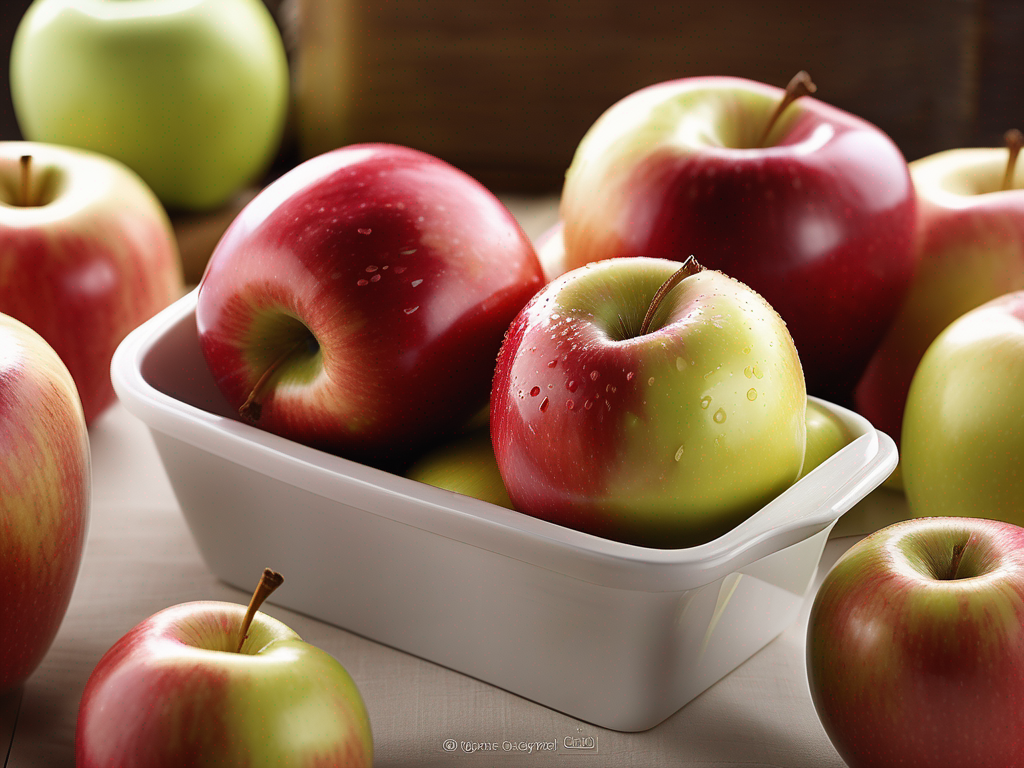
Is Refrigerating Apple Pie Necessary After Baking?
CanIEatExpired.com Team
# Is Refrigerating Apple Pie Necessary After Baking?

Apple pie is a classic dessert loved by many for its sweet, cinnamon-spiced filling and flaky crust. Whether you've baked a homemade apple pie or bought one from a bakery, you may be wondering if it needs to be refrigerated to maintain its freshness and safety. In this blog post, we'll explore the reasons why refrigeration may be necessary for apple pie after baking, as well as provide practical tips for storage and food safety. ([Apple](https://canieatexpired.com/food/apple))

## Why Refrigerate Apple Pie?

### Bacterial Growth
- After baking, apple pie can become a breeding ground for bacteria if left at room temperature for an extended period.
- The moist filling and buttery crust provide an ideal environment for bacteria to multiply, potentially leading to foodborne illnesses.

### Preservation of Freshness
- Refrigerating apple pie helps to slow down the growth of bacteria, extending the shelf life of the dessert.
- Cold temperatures help maintain the texture and flavor of the pie, keeping it fresh for a longer period.

### Preventing Spoilage
- Apple pie contains perishable ingredients such as eggs, dairy, and fruit, which are prone to spoilage if not stored properly.
- Refrigeration helps prevent the growth of mold and yeast on the pie, preserving its quality.

## How to Properly Refrigerate Apple Pie

### Cooling Process
1. Allow the apple pie to cool completely at room temperature before refrigerating.
2. Cover the pie with aluminum foil or plastic wrap to prevent it from drying out in the refrigerator.

### Storage
- Place the covered apple pie in the refrigerator within 2 hours of baking or purchasing.
- Store the pie on a flat surface to prevent the filling from shifting and the crust from becoming soggy.

### Duration
- Refrigerated apple pie can typically last for 3-4 days before the quality starts to deteriorate.
- For longer storage, consider freezing the pie for up to 4-6 months.

## Food Safety Tips for Apple Pie

### Thawing
- When ready to enjoy a frozen apple pie, thaw it in the refrigerator overnight to ensure even defrosting.
- Avoid thawing the pie at room temperature to prevent bacterial growth.

### Reheating
- To reheat refrigerated or thawed apple pie, preheat the oven to 350°F (175°C) and warm the pie for 10-15 minutes until heated through.
- Heating the pie helps kill any bacteria that may have developed during storage.

### Inspecting
- Before consuming leftover apple pie, inspect it for any signs of spoilage such as an off smell, mold growth, or unusual texture.
- If the pie appears questionable, it's best to discard it to avoid foodborne illness.

## common situation: When Refrigerating Apple Pie Matters

Imagine you’ve just hosted a delightful family gathering where your homemade apple pie stole the show. Everyone raved about it, and you have a generous slice left over. You’re tempted to leave it on the counter to enjoy later, but remember: it’s important to refrigerate it promptly.

### situation 1: The Family Gathering
After a lively evening filled with laughter and good food, your apple pie was the cherry on top. However, with guests lingering and chatting, you let it sit out for a couple of hours. The next day, when you go to serve it, you notice the crust is a bit soggy and the filling seems off. Refrigeration could have kept it fresh longer, maintaining that delightful texture and flavor.

### situation 2: The Last-Minute Dessert
You find yourself in a pinch when guests unexpectedly drop by, and you quickly pull an apple pie out of the freezer. After baking, you leave it on the counter while you’re preparing coffee and snacks. By the time everyone arrives, you’ve forgotten about the pie sitting out. While it’s still safe to eat if it hasn’t been out for more than two hours, keeping it in the fridge would have ensured it remained at its best.

These situation emphasize the importance of refrigeration in maintaining the quality of your apple pie. It’s a simple step that can prevent spoilage and ensure your pie is just as delicious the next day.

## Scientific Context: The Importance of Refrigeration

From a scientific standpoint, refrigeration slows down microbial growth, which is crucial for food safety. The temperature range between 40°F (4°C) and 140°F (60°C) is often referred to as the "risks and considerations zone" for food. In this zone, bacteria can multiply rapidly, doubling in number every 20 minutes under optimal conditions.

By refrigerating apple pie, you are effectively stalling bacteria's growth. The cold environment reduces the metabolic activity of these microorganisms, allowing for a longer shelf life. Additionally, the moisture in the pie can promote the growth of molds and yeasts, which are also kept at bay by refrigeration.

## Common Mistakes When Storing Apple Pie

### Not Cooling Completely
One common mistake is placing a warm or hot apple pie directly in the refrigerator. This can raise the refrigerator's temperature and lead to an environment that encourages bacterial growth, not to mention creating condensation that can make your crust soggy.

### Covering Incorrectly
People often make the error of covering the pie too loosely or using materials that don't seal well. Instead of keeping the air out, this can lead to the pie absorbing odors from other foods in the fridge or drying out. Use plastic wrap or aluminum foil to create a snug cover.

### Overlooking Signs of Spoilage
Some may assume that if the pie looks fine, it’s safe to eat. However, it’s crucial to do a sensory check—trust your sense of smell and sight. If there’s an off smell or any visible mold, it’s best to err on the side of caution.

## Expert Insights: Recommendations for Apple Pie Storage

Food safety experts recommend using a few best practices when it comes to storing apple pie:

- **Label and Date**: If you’re freezing apple pie, label it with the date and contents. This can help you keep track of how long it's been stored and ensure you enjoy it at its best quality.

- **Use Airtight Containers**: For pies that are already sliced, consider using an airtight container to prevent the pie from drying out and to keep unwanted odors at bay.

- **Be Mindful with Toppings**: If your apple pie has a crumb topping or other delicate elements, consider covering it with a piece of parchment paper before wrapping to prevent it from sticking.

By implementing these expert tips, you can ensure that your apple pie remains delicious for as long as possible.

## Additional Storage Methods

### Freezing for Longer Stays
If you’re planning on saving your pie for a special occasion or simply want to enjoy it later, freezing is an excellent option. Here are steps to do it right:

1. **Cool Completely**: Just like with refrigeration, let the pie cool completely.
2. **Wrap Properly**: Wrap the pie tightly in plastic wrap, then in aluminum foil to prevent freezer burn.
3. **Seal It Up**: Place the wrapped pie in a freezer-safe container or a heavy-duty freezer bag.
4. **Label and Date**: Don’t forget to label with the date!

### Individual Slices
If you prefer serving individual slices, consider freezing them separately. Simply slice the pie, wrap each piece in plastic wrap, and follow the same freezing instructions. This makes for a quick dessert option—just grab a slice and reheat it.

## Conclusion

In conclusion, refrigerating apple pie after baking is essential to maintain its freshness, prevent spoilage, and ensure food safety. By following proper storage guidelines and food safety tips, you can enjoy delicious apple pie without compromising your health. Remember to refrigerate leftover pie promptly, thaw it safely, and reheat it thoroughly before indulging in this beloved dessert.

For more apple recipes and food safety tips, visit [apple](/food/apple). Enjoy your apple pie responsibly! ([Apple](https://canieatexpired.com/food/apple))

## Related Posts

Here are some other articles you might find helpful:

- [Can You Eat Expired Carrots: A Guide to Food Safety](/blog/can-you-eat-expired-carrots)
- [The Ultimate Guide to When to Eat a Mango](/blog/when-to-eat-a-mango)
- [How Long Does Canned Pineapple Last in the Fridge?](/blog/how-long-does-canned-pineapple-last-in-the-fridge)
- [How Long Does Frozen Fruit Last in the Freezer?](/blog/how-long-does-frozen-fruit-last-in-freezer)
- [How Long is Canned Fruit Good For?](/blog/how-long-is-canned-fruit-good-for)
Authoritative Food Safety References
These agencies and university labs inform every tip and health precaution we publish.
USDAOfficial guidance
USDA FoodKeeper – Cold Storage Guidelines
Official refrigerator, freezer, and pantry timelines maintained by the U.S. Department of Agriculture.
Visit USDA FoodKeeperFDAOfficial guidance
FDA Produce Safety Rule & Grower Guidance
Field-to-fridge handling practices that prevent contamination of fruits, vegetables, and leafy greens.
Visit FDA Produce SafetyCDCOfficial guidance
CDC Foodborne Illness Prevention Hub
Surveillance-backed guidance on pathogens, symptoms, and steps to reduce foodborne illness risk.
Visit CDC Food SafetyResearchUniversity research
UC Davis Postharvest Technology Center
University research detailing optimal storage atmospheres for produce after harvest.
Visit UC Davis PostharvestResearchUniversity research
Penn State Extension – Home Food Preservation & Safety
Peer-reviewed extension bulletins on safe canning, chilling, and reheating practices.
Visit Penn State ExtensionDisclosure: As an Amazon Associate, we earn from qualifying purchases. This helps support our site and allows us to continue providing free food safety information.
Our articles are created using a combination of AI assistance and human review. All food safety information is based on USDA guidelines and credible sources. Learn more about our review process here.