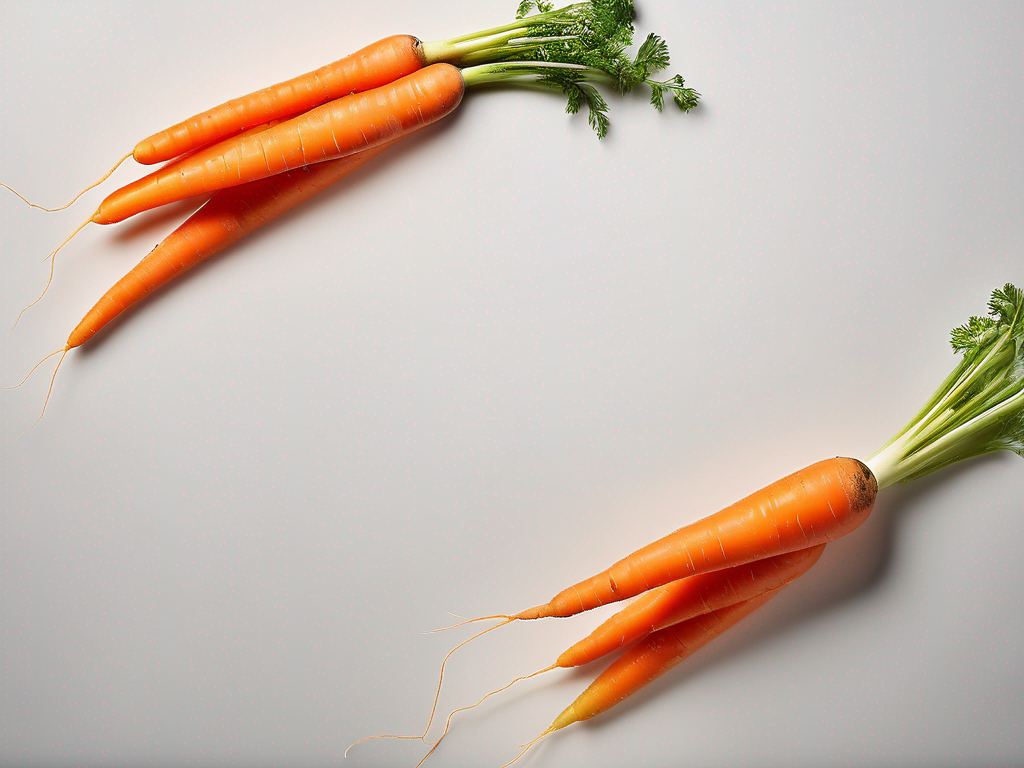
Are Your Carrots Going Bad? A Guide to Carrot Expiration
CanIEatExpired.com Team
# Are Your Carrots Going Bad? A Guide to Carrot Expiration

Carrots are a versatile and nutritious vegetable that can be enjoyed in a variety of dishes, from salads to soups to snacks. But like all fresh produce, carrots have a limited shelf life and can eventually go bad if not stored properly. In this guide, we'll explore how to tell if your carrots are going bad, how to extend their shelf life, and how to properly store them for maximum freshness. ([Carrots](https://canieatexpired.com/food/carrots))

## How Long Do Carrots Last?

When properly stored, carrots can last for quite some time. Here are some general guidelines for how long you can expect your carrots to stay fresh:

### Whole fresh carrots:
- **Refrigerator**: 3-4 weeks
- **Freezer**: 10-12 months

### Peeled or cut carrots:
- **Refrigerator**: 1-2 weeks
- **Freezer**: 10-12 months

### Cooked carrots:
- **Refrigerator**: 3-5 days
- **Freezer**: 10-12 months

## Signs Your Carrots Are Going Bad

It's essential to know the signs that your carrots are starting to go bad so you can use them up before they spoil completely. Here are some indicators that your carrots may be past their prime:

### Visual cues:
- **Wrinkled or shriveled appearance**
- **Mold growth**
- **Discoloration or dark spots**
- **Slimy texture**

### Smell:
- **Foul or moldy odor**

### Taste:
- **Bitter or off taste**

## Tips for Extending Carrot Shelf Life

To make your carrots last as long as possible, follow these tips for extending their shelf life:

1. **Choose fresh carrots**: Select carrots that are firm, smooth, and bright in color.
2. **Store in the refrigerator**: Keep carrots in the crisper drawer of your refrigerator, preferably in a perforated plastic bag to maintain moisture.
3. **Keep away from ethylene-producing fruits**: Store carrots away from fruits like apples and bananas, which release ethylene gas that can cause carrots to spoil faster.
4. **Avoid washing until ready to use**: Washing carrots before storage can introduce excess moisture and lead to quicker spoilage.
5. **Remove tops**: Cut off the green tops of the carrots before storing, as they can draw out moisture and cause the carrots to wilt.

## Proper Carrot Storage

Proper storage is key to keeping your carrots fresh for as long as possible. Follow these guidelines for storing fresh, peeled, and cooked carrots:

### Fresh carrots:
- **Refrigerator**: Store in the crisper drawer in a plastic bag with air holes.
- **Freezer**: Peel, cut, blanch, and freeze in an airtight container.

### Peeled or cut carrots:
- **Refrigerator**: Place in airtight container or resealable bag with a damp paper towel.
- **Freezer**: Blanch, cool, and freeze in airtight container.

### Cooked carrots:
- **Refrigerator**: Store in an airtight container.
- **Freezer**: Cool completely, then freeze in an airtight container or freezer bag.

## common situation

Let’s Common situations include of situation where understanding carrot expiration could come into play:

### situation 1: The Busy Parent
Common situations include parent who has stocked the fridge with a bunch of fresh carrots, planning to include them in meals throughout the week. They start the week strong, adding shredded carrots to salads and dipping whole carrots in hummus for snacks. However, by the weekend, they realize the carrots are starting to wrinkle and lose their crunch. If they had known to properly store their carrots in a perforated bag and remove the tops right away, they might have enjoyed the crispiness of those carrots all week long.

### situation 2: The Aspiring Chef
Picture an aspiring chef who buys a large batch of organic carrots for a dinner party. They intend to showcase these vibrant vegetables in a variety of dishes. However, due to a last-minute schedule change, they have to postpone the dinner for a week. The young chef, unaware of how quickly carrots can go bad if not stored correctly, finds themselves with a moldy mess in the fridge just a few days before the rescheduled dinner. A simple storage technique like blanching and freezing could have saved the day!

## Scientific Context: The Biology of Carrots

Understanding the biology behind carrots can help us appreciate their shelf life better. Carrots contain a high amount of water—around 88%. This moisture level is partly what makes them so refreshing but also contributes to their susceptibility to spoilage. The presence of enzymes can lead to browning and decay when the carrot is damaged or begins to age.

When carrots are stored properly, such as in a cool environment with controlled moisture, these enzymes are inhibited, helping to maintain freshness. Additionally, carrots are rich in beta-carotene, which converts to vitamin A in the body—a crucial nutrient for eye health. By keeping your carrots fresh, you're not only enjoying their taste but also maximizing their nutritional benefits.

## Common Mistakes People Make with Carrots

Many people don’t realize that they can inadvertently shorten the shelf life of carrots through common mistakes. Here are a few:

1. **Storing unwashed carrots**: While it seems like a good idea to wash and prep carrots for convenience, excess moisture can lead to rot. It's best to wash them just before use.
2. **Leaving tops on**: Some folks assume that leaving the green tops on their carrots is fine. However, these tops draw moisture away from the carrot itself, leading to quicker wilting.
3. **Using the wrong container**: Using completely airtight containers for storing carrots can sometimes trap moisture and promote spoilage. It’s better to allow for some airflow to keep them crisp.

## Expert Insights: Food Safety Recommendations

As a food safety expert, I recommend always being mindful of the storage conditions of all produce, including carrots. Here are some expert tips to help you keep your carrots in top shape:

- **Temperature Matters**: The ideal storage temperature for carrots is around 32°F (0°C). If your refrigerator is running warmer than this, consider adjusting the temperature settings.
- **Humidity Control**: Carrots prefer a slightly humid environment, but too much moisture can lead to mold. If you're noticing mold on your carrots, it's a good idea to assess the humidity levels in your fridge.
- **Regular Checks**: Make it a habit to check on your stored carrots weekly. This will help you catch any signs of spoilage early and prevent waste.

## Practical Tips for Carrot Preservation

If you're interested in keeping your carrots fresh for even longer, consider these additional preservation methods:

### Pickling:
Pickling carrots is a delicious way to extend their shelf life. Simply slice the carrots and immerse them in a vinegar-based brine. Store them in sterilized jars in the refrigerator, and they can last for several months.

### Fermentation:
Fermenting carrots not only preserves them but also adds probiotic benefits. Shredded carrots can be mixed with salt and water and left to ferment at room temperature for a few days. After that, store them in the fridge for a crunchy, tangy snack.

### Dehydration:
Dehydrating carrots is an excellent way to enjoy them in soups, stews, or even as a trail mix snack. You can use a dehydrator or a conventional oven at low heat to dry carrot slices until they are completely moisture-free.

## Safety Warnings

While carrots are generally safe to consume, there are some safety considerations to keep in mind:

- **Pesticide Residues**: If you’re concerned about pesticide exposure, consider buying organic carrots or washing non-organic ones thoroughly to remove any residues.
- **Spoilage**: Never consume carrots that have a slimy texture or foul odor, as these are signs of spoilage that can lead to foodborne illnesses.

## Conclusion

By following these tips for storing and extending the shelf life of your carrots, you can enjoy this nutritious vegetable for weeks to come. Remember to check for signs of spoilage, choose fresh carrots, and store them properly in the refrigerator or freezer. With a little care and attention, you can make the most of your carrots and reduce food waste in your kitchen. ([Carrots](https://canieatexpired.com/food/carrots))

## Related Posts

Here are some other articles you might find helpful:

- [The Ultimate Guide to Farm Food Share Programs](/blog/farm-food-share)
- [The Ultimate Refrigerated Food List: Keeping Your Food Safe and Fresh](/blog/refrigerated-food-list)
- [The Ultimate Guide to Creating a Food Christmas Tree](/blog/food-christmas-tree)
- [Making the Most of Free Food at Food Banks](/blog/food-bank-free-food)
- [How Long is Food Good in the Fridge?](/blog/how-long-is-food-good-in-the-fridge)
Authoritative Food Safety References
These agencies and university labs inform every tip and health precaution we publish.
USDAOfficial guidance
USDA FoodKeeper – Cold Storage Guidelines
Official refrigerator, freezer, and pantry timelines maintained by the U.S. Department of Agriculture.
Visit USDA FoodKeeperFDAOfficial guidance
FDA Produce Safety Rule & Grower Guidance
Field-to-fridge handling practices that prevent contamination of fruits, vegetables, and leafy greens.
Visit FDA Produce SafetyCDCOfficial guidance
CDC Foodborne Illness Prevention Hub
Surveillance-backed guidance on pathogens, symptoms, and steps to reduce foodborne illness risk.
Visit CDC Food SafetyResearchUniversity research
UC Davis Postharvest Technology Center
University research detailing optimal storage atmospheres for produce after harvest.
Visit UC Davis PostharvestResearchUniversity research
Penn State Extension – Home Food Preservation & Safety
Peer-reviewed extension bulletins on safe canning, chilling, and reheating practices.
Visit Penn State ExtensionDisclosure: As an Amazon Associate, we earn from qualifying purchases. This helps support our site and allows us to continue providing free food safety information.
Our articles are created using a combination of AI assistance and human review. All food safety information is based on USDA guidelines and credible sources. Learn more about our review process here.