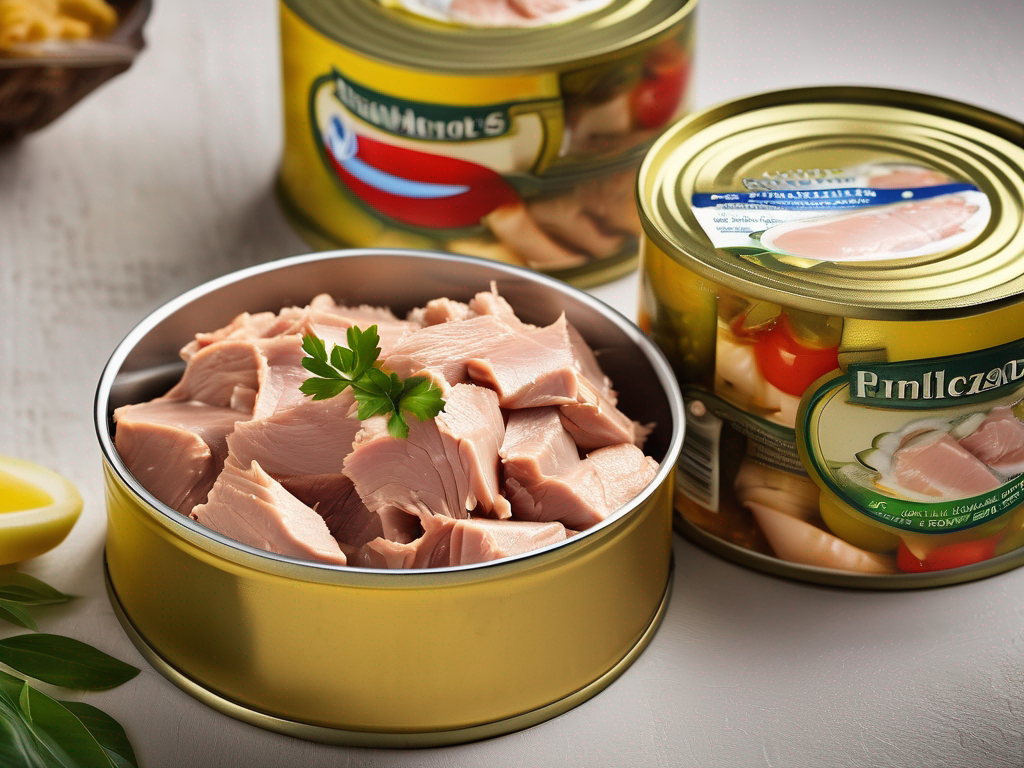
Is It Safe to Eat Canned Tuna After the Expiration Date?
CanIEatExpired.com Team
# Is It Safe to Eat Canned Tuna After the Expiration Date?

In many households, canned tuna is a pantry staple due to its convenience, versatility, and long shelf life. But what happens when you find a can of tuna that has surpassed its expiration date? Is it still safe to consume? In this blog post, we will explore the safety of eating canned tuna after the expiration date and provide you with practical tips for storage and consumption. ([Canned tuna](https://canieatexpired.com/food/canned-tuna))

## Understanding Expiration Dates on Canned Tuna

Expiration dates on canned tuna, like other food products, are provided by manufacturers to indicate the period of time during which the product is at its peak quality. It's important to differentiate between two common types of dates:

- **"Best By" Date**: This date is an indicator of quality rather than safety. Consuming canned tuna after the "best by" date may not affect safety but could lead to a decline in taste and texture.
- **Expiration Date**: This date, also known as the "use by" or "sell by" date, is a guideline for when the product is at its freshest and safest. Consuming canned tuna after the expiration date may pose some risks.

## Factors to Consider When Assessing Canned Tuna After Expiration Date

When determining whether canned tuna is safe to eat after the expiration date, consider the following factors:

### Can Integrity

- **Inspect the Can**: Check for any signs of damage, such as dents, bulging, or leakage. If the can is compromised, do not consume the tuna inside.

### Odor and Appearance

- **Smell Test**: Open the can and sniff the tuna. If it has a foul or off-putting odor, discard it.
- **Visual Inspection**: Look for any discoloration, mold, or unusual texture. If the tuna looks questionable, it's best to err on the side of caution.

### Storage Conditions

- **Proper Storage**: Canned tuna should be stored in a cool, dry place away from direct sunlight and extreme temperatures. Exposure to heat and moisture can accelerate spoilage.

### Health Considerations

- **Immunocompromised Individuals**: If you have a weakened immune system, it's advisable to be more cautious with expired foods to avoid foodborne illnesses.

## common situation

It’s not unusual to find a can of tuna lurking at the back of the pantry, long forgotten. Consider the following relatable situations:

### situation 1: The Surprise Pantry Clean-out

Imagine Jane, a busy mom of three, decides to clean her pantry one Saturday afternoon. As she pulls out cans from the back, she stumbles upon several cans of tuna, some dated back two years. Unsure if they are still good, she recalls her grandmother saying, “If in doubt, throw it out!” However, Jane wonders if she could salvage a quick meal instead of wasting food. After inspecting the cans closely, she finds one that’s a bit rusty but otherwise intact. Jane decides to toss that one, but the others look fine. She conducts a smell test, and everything checks out. With some added spices and a quick sauté, she prepares a delicious tuna salad that her family loves!

### situation 2: The Impromptu Dinner Party

Then there’s Mike, who has his friends over for dinner on a whim. He realizes he’s short on ingredients for the planned seafood paella and recalls a few cans of tuna he bought months ago. As he rummages through the pantry, he finds a can that’s a week past its expiration date. Taking a moment to assess the integrity of the can and the look and smell of the tuna inside, he feels confident enough to use it. With a bit of cooking, it turns into a hit of the night, and no one is the wiser.

These situation highlight the need for a common-sense approach to food safety, especially with canned goods like tuna.

## Scientific Context

Canned tuna has a long shelf life due to the canning process, which involves cooking the fish and sealing it in an airtight container. This process not only preserves the tuna's taste and texture but also kills bacteria and prevents their growth. Scientific studies have shown that properly processed and stored canned foods can last well beyond their expiration dates under optimal conditions. The key lies in the can’s integrity and the absence of spoilage indicators.

It’s also important to note that tuna, like many fish, is a good source of protein and omega-3 fatty acids, which are beneficial for heart health. However, it's crucial to be aware of mercury levels in canned tuna, especially for pregnant women and young children. Light tuna typically has lower mercury levels compared to albacore tuna, making it a safer choice if you’re concerned about mercury exposure.

## Tips for Safe Storage and Consumption of Canned Tuna

To ensure the safety and quality of canned tuna, follow these tips for storage and consumption:

1. **Rotate Stock**: Practice first in, first out (FIFO) when storing canned goods to use older cans before newer ones.
2. **Store Properly**: Keep canned tuna in a cool, dry place, such as a pantry or cupboard, to maintain its quality.
3. **Use Common Sense**: If the canned tuna shows any signs of spoilage, such as an unusual smell or appearance, discard it immediately.
4. **Cook Thoroughly**: If you're unsure about the safety of expired canned tuna, consider cooking it thoroughly before consumption to reduce any potential risks.
5. **Check the Expiration Date**: Make it a habit to check the expiration dates on canned goods regularly, especially before major meal planning or grocery shopping.
6. **Label Unopened Tuna**: If you buy tuna in bulk, consider labeling the cans with the purchase date to help keep track of their age.

## Common Mistakes to Avoid

When it comes to canned tuna and food safety, many people make some common mistakes. Here are a few to be aware of:

- **Ignoring the Can Condition**: A lot of folks might think as long as the tuna is in a can, it's safe. But a dented or rusty can can compromise the food inside. Always inspect the can before consuming.
- **Assuming “Best By” Means Unsafe**: Many believe that once the “best by” date has passed, the food is no longer safe to eat. In reality, this date is about quality, not safety. If the tuna looks and smells fine, it’s likely safe to eat.
- **Not Knowing the Storage Requirements**: Some people store canned goods in damp basements or areas subject to temperature fluctuations. This can lead to premature spoilage. Always aim for a stable, cool, and dry storage area.

## Expert Insights

Food safety professionals recommend that consumers should always prioritize food safety practices. According to the USDA, while canned foods can last for a long time, they should be discarded if there’s any doubt about their safety.

When in doubt, it’s better to be safe than sorry. If you find a can that’s past its expiration date, follow your instincts and the guidelines above to make an informed choice.

## Safety Warnings

As with all food items, there are important safety considerations to keep in mind:

- **Botulism Risk**: Though rare, improperly canned foods can lead to botulism, a potentially fatal illness. Symptoms include blurred vision, difficulty swallowing, and muscle weakness. If you suspect any sign of botulism, seek medical help immediately.
- **Mercury Levels**: As previously mentioned, be cautious about mercury levels, especially for pregnant women and young children. Limit consumption and choose lower-mercury options when possible.

## Conclusion

While consuming canned tuna after the expiration date may not always pose immediate health risks, it's essential to exercise caution and use your judgment. By assessing factors like can integrity, odor, appearance, and storage conditions, you can make an informed decision about whether to eat expired canned tuna. When in doubt, it's best to prioritize food safety and opt for fresh alternatives. Remember, your health is paramount, so always prioritize safe eating practices.

For more information on canned tuna and other food safety tips, visit our [canned tuna](/food/canned-tuna) page. Stay informed, stay safe, and enjoy your meals responsibly! ([Canned tuna](https://canieatexpired.com/food/canned-tuna))

## Related Posts

Here are some other articles you might find helpful:

- [The Ultimate Guide to Foods with Long Shelf Lives](/blog/foods-with-long-shelf-lives)
- [The Shelf Life of Canned Fish: Everything You Need to Know](/blog/shelf-life-of-canned-fish)
- [The Ins and Outs of Nonperishable Foods: What You Need to Know](/blog/food-that-doesn-t-expire)
- [Canned Food Drive Near Me: Supporting the Community Through Food Donations](/blog/canned-food-drive-near-me)
- [The Ultimate Guide to Food Pantry Essentials](/blog/list-of-food-pantry)
Authoritative Food Safety References
These agencies and university labs inform every tip and health precaution we publish.
USDAOfficial guidance
USDA FoodKeeper – Cold Storage Guidelines
Official refrigerator, freezer, and pantry timelines maintained by the U.S. Department of Agriculture.
Visit USDA FoodKeeperFDAOfficial guidance
FDA Produce Safety Rule & Grower Guidance
Field-to-fridge handling practices that prevent contamination of fruits, vegetables, and leafy greens.
Visit FDA Produce SafetyCDCOfficial guidance
CDC Foodborne Illness Prevention Hub
Surveillance-backed guidance on pathogens, symptoms, and steps to reduce foodborne illness risk.
Visit CDC Food SafetyResearchUniversity research
UC Davis Postharvest Technology Center
University research detailing optimal storage atmospheres for produce after harvest.
Visit UC Davis PostharvestResearchUniversity research
Penn State Extension – Home Food Preservation & Safety
Peer-reviewed extension bulletins on safe canning, chilling, and reheating practices.
Visit Penn State Extension❓
Frequently Asked Questions
Can I eat canned tuna after the expiration date has passed?
It is generally safe to eat canned tuna after the expiration date as long as the can is not damaged, bulging, or leaking. However, the quality of the tuna may deteriorate over time, so it is recommended to consume it within a reasonable time frame after the expiration date.
How can I tell if canned tuna has gone bad?
Signs that canned tuna has gone bad include a foul odor, off-color appearance, or unusual texture. If you notice any of these signs, it is best to discard the tuna to avoid the risk of foodborne illness.
Can I store canned tuna in the pantry or does it need to be refrigerated?
Canned tuna can be safely stored in the pantry at room temperature for an extended period of time. Once opened, any leftover tuna should be transferred to a sealed container and refrigerated to maintain freshness.
Is it safe to eat canned tuna if the can is dented?
Minor dents on the can are usually not a cause for concern, but if the dent is severe enough to compromise the seal of the can, it is best to discard the tuna to prevent the risk of contamination.
Can canned tuna cause food poisoning?
Canned tuna is generally safe to consume and is unlikely to cause food poisoning if stored and handled properly. However, it is important to follow proper food safety practices, such as checking for signs of spoilage before consuming the tuna.
📚
Citations
Disclosure: As an Amazon Associate, we earn from qualifying purchases. This helps support our site and allows us to continue providing free food safety information.
Our articles are created using a combination of AI assistance and human review. All food safety information is based on USDA guidelines and credible sources. Learn more about our review process here.