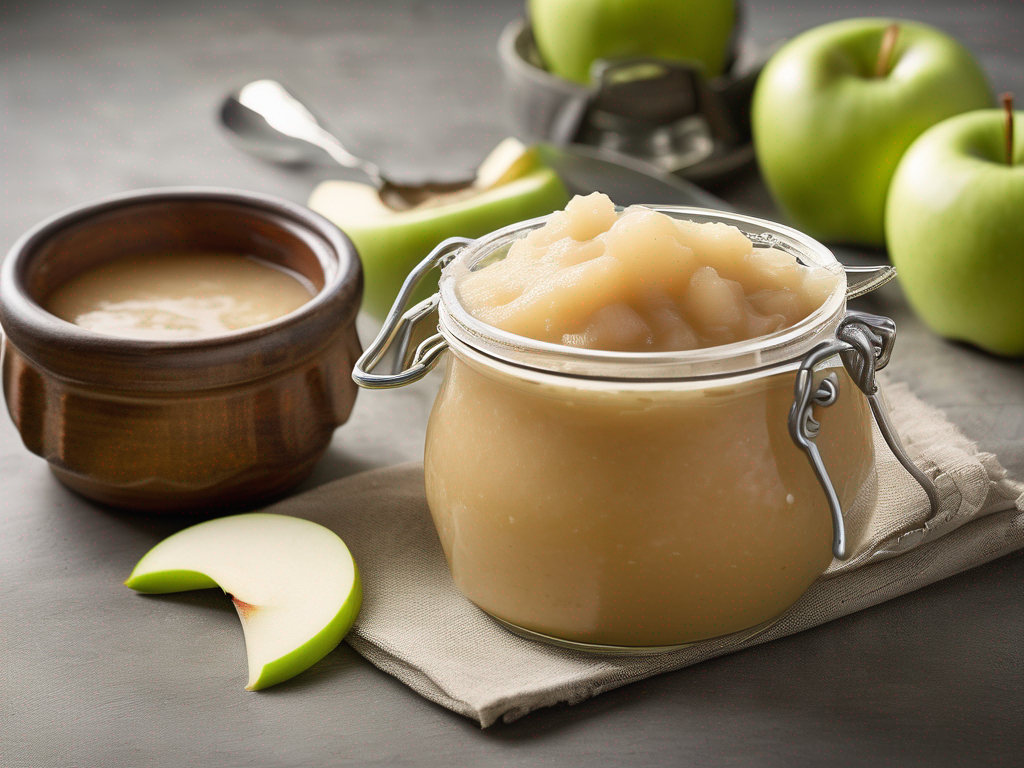
Can You Use Expired Applesauce in Baking Recipes?
Can You Use Expired Applesauce in Baking Recipes?
Are you staring at that jar of expired applesauce in your pantry, wondering if you can still put it to good use in your favorite baking recipes? Many of us have been in this situation before, and the good news is that expired applesauce can often still be used in baking with a few considerations. In this blog post, we will explore the safety and effectiveness of using expired applesauce in baking recipes, along with some practical tips to ensure your baked goods turn out delicious and safe to eat. (Applesauce)
Understanding Expiration Dates on Applesauce
Before we delve into using expired applesauce in baking, it's essential to understand what expiration dates really mean. The "best by" or "use by" date on a jar of applesauce is not a strict deadline after which the product becomes unsafe to consume. Instead, it is a guideline provided by the manufacturer to indicate when the applesauce is at its peak quality in terms of taste and texture.
In most cases, applesauce can still be safe to eat even after the expiration date has passed, as long as it has been stored properly and shows no signs of spoilage such as mold growth, off odor, or unusual texture. However, when it comes to using expired applesauce in baking, there are some additional factors to consider.
Proper airflow and humidity control can significantly extend produce freshness. Many households use produce storage containers (Amazon) in the refrigerator to regulate moisture and slow spoilage.
Factors to Consider When Using Expired Applesauce in Baking
When deciding whether to use expired applesauce in your baking recipes, here are some key factors to keep in mind:
-
Check for Signs of Spoilage: Before using expired applesauce, visually inspect it for any signs of spoilage such as mold, off-color, off odor, or unusual texture. If the applesauce appears to be spoiled, discard it immediately.
-
Texture and Consistency: Over time, expired applesauce may undergo changes in texture and consistency. While slightly thickened or slightly discolored applesauce may still be suitable for baking, excessively altered applesauce may affect the outcome of your baked goods.
-
Nutritional Value: As applesauce ages, its nutritional content may degrade. While this may not be a significant concern for baking purposes, it's worth considering if you are using applesauce for its nutritional quality in recipes.
-
Acidity Levels: Applesauce contains natural acidity, which can impact the leavening and texture of baked goods. Older applesauce may have a slightly altered acidity level, so you may need to adjust the amount of baking powder or baking soda in your recipe accordingly.
Tips for Using Expired Applesauce in Baking
If you've decided to go ahead and use expired applesauce in your baking recipes, here are some tips to ensure the best results:
-
Adjust for Moisture: Expired applesauce may have lost some of its moisture content, so you may need to adjust the amount of liquid in your recipe to achieve the desired consistency.
-
Enhance Flavor: To boost the flavor of expired applesauce, consider adding a touch of cinnamon, nutmeg, or vanilla extract to your baking recipes.
-
Combine with Fresh Ingredients: If your expired applesauce is lacking in freshness or flavor, consider combining it with fresh applesauce or other ingredients to balance out the taste and texture.
-
Test Before Using: If you are unsure about the quality of your expired applesauce, consider doing a small test batch of your recipe before committing to a larger batch.
-
Store Properly: After using expired applesauce in your baking, store any leftover baked goods in an airtight container in the refrigerator to maintain freshness and prevent spoilage.
Safety Precautions When Using Expired Ingredients
While using expired applesauce in baking can be done safely with the right considerations, it's essential to follow these safety precautions:
-
Avoid Moldy or Spoiled Ingredients: Never use applesauce that shows signs of mold, spoilage, or off odors in your baking recipes.
-
Practice Good Hygiene: Wash your hands, utensils, and baking equipment thoroughly before and after handling expired ingredients to prevent cross-contamination.
-
Mind Food Allergies: If you are baking for others, be mindful of any food allergies or sensitivities that may be triggered by expired ingredients.
-
Discard if Unsure: When in doubt about the safety or quality of expired ingredients, it's always better to err on the side of caution and discard them.
Conclusion
In conclusion, using expired applesauce in baking recipes can be a practical way to reduce food waste and create delicious treats. By considering the factors mentioned above and following safety precautions, you can confidently incorporate expired applesauce into your baking repertoire with great results. Remember to trust your instincts, use your senses to assess the quality of the ingredients, and enjoy the process of experimenting with different flavors and textures in your baked goods. Happy baking!
[applesauce]: /food/applesauce (Applesauce)
Authoritative Food Safety References
These agencies and university labs inform every tip and health precaution we publish.
USDA FoodKeeper – Cold Storage Guidelines
Official refrigerator, freezer, and pantry timelines maintained by the U.S. Department of Agriculture.
Visit USDA FoodKeeperFDA Produce Safety Rule & Grower Guidance
Field-to-fridge handling practices that prevent contamination of fruits, vegetables, and leafy greens.
Visit FDA Produce SafetyCDC Foodborne Illness Prevention Hub
Surveillance-backed guidance on pathogens, symptoms, and steps to reduce foodborne illness risk.
Visit CDC Food SafetyUC Davis Postharvest Technology Center
University research detailing optimal storage atmospheres for produce after harvest.
Visit UC Davis PostharvestPenn State Extension – Home Food Preservation & Safety
Peer-reviewed extension bulletins on safe canning, chilling, and reheating practices.
Visit Penn State ExtensionFrequently Asked Questions
How can I tell if my applesauce has gone bad?
Can I extend the shelf life of applesauce for baking purposes?
Are there any risks associated with using expired applesauce in baking?
Can I freeze applesauce to prolong its shelf life for baking?
Disclosure: As an Amazon Associate, we earn from qualifying purchases. This helps support our site and allows us to continue providing free food safety information.