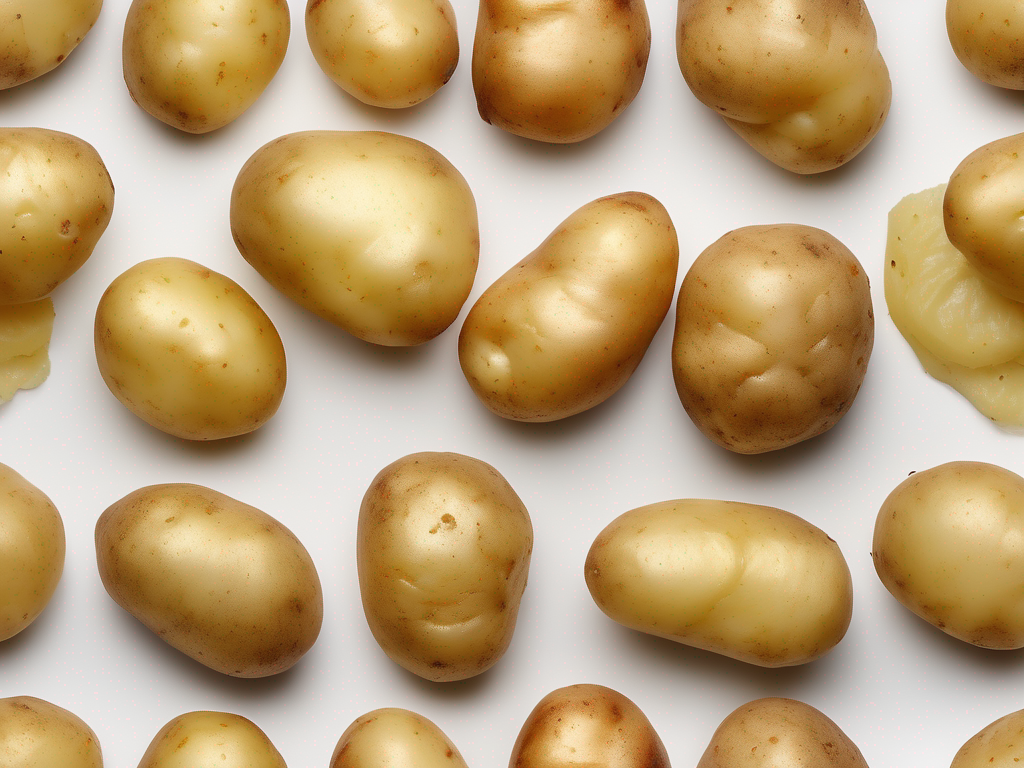
Can You Eat Expired Refrigerated Mashed Potatoes?
CanIEatExpired.com Team
# Can You Eat Expired Refrigerated Mashed Potatoes?

In today's fast-paced world, it's not uncommon for leftovers to get pushed to the back of the refrigerator and forgotten about. One such leftover that often raises questions is refrigerated mashed potatoes. You may find yourself wondering, can you eat expired refrigerated mashed potatoes? In this blog post, we will delve into the safety of consuming expired mashed potatoes stored in the refrigerator. ([Potatoes](https://canieatexpired.com/food/potatoes))

## Understanding Mashed Potatoes and Food Safety

Mashed potatoes are a beloved comfort food made by boiling and mashing potatoes with butter, milk, and seasonings. When stored properly, mashed potatoes can last for several days in the refrigerator. However, like all perishable foods, they have a limited shelf life. Here are some key factors to consider when determining the safety of eating expired refrigerated mashed potatoes:

### Shelf Life of Mashed Potatoes

Mashed potatoes typically have a shelf life of 3-5 days when stored in the refrigerator at or below 40°F (4°C). Beyond this timeframe, the quality and safety of the mashed potatoes may start to deteriorate.

### Signs of Spoilage

When assessing whether refrigerated mashed potatoes are still safe to eat, look out for the following signs of spoilage:

- **Unpleasant Odor:** If the mashed potatoes smell sour, rancid, or off, it's best to discard them.
- **Mold Growth:** Visible mold on the surface of the mashed potatoes indicates spoilage, and the dish should be thrown away.
- **Off-Color:** Discoloration or dark spots on the mashed potatoes can be a sign that they are no longer safe to eat.
- **Slimy Texture:** If the mashed potatoes feel slimy or have a strange texture, it's a clear indication of spoilage.

### Proper Storage Practices

To maximize the shelf life of mashed potatoes and other leftovers, follow these storage tips:

1. Transfer mashed potatoes to an airtight container before refrigerating.
2. Store mashed potatoes in the coldest part of the refrigerator, such as the back of the lower shelves.
3. Label the container with the date the mashed potatoes were made to track their freshness.

## Risks of Consuming Expired Mashed Potatoes

Eating expired refrigerated mashed potatoes can pose health risks due to bacterial growth and spoilage. Consuming spoiled food can lead to food poisoning, with symptoms such as nausea, vomiting, diarrhea, and stomach cramps. In severe cases, foodborne illnesses can require medical attention and lead to complications.

### Botulism Concerns

One particular concern with expired mashed potatoes is the risk of botulism. Clostridium botulinum is a bacterium that produces unpleasant flavors, odors, or reduced nutritional quality in anaerobic environments, such as improperly canned or vacuum-sealed foods. While rare, botulism can be life-threatening, causing muscle paralysis and respiratory failure.

### Safe Consumption Practices

To ensure food safety and prevent the risk of foodborne illnesses, adhere to the following guidelines when consuming mashed potatoes:

- **Follow the 2-Hour Rule:** Refrigerated leftovers should be consumed within 2 hours of being removed from the refrigerator to minimize bacterial growth.
- **Reheat Thoroughly:** When reheating mashed potatoes, ensure they reach an internal temperature of 165°F (74°C) to kill any harmful bacteria.
- **Use Visual and Smell Checks:** Before consuming refrigerated mashed potatoes, inspect them for signs of spoilage and trust your senses.

## common situation

It's often in the everyday moments that we encounter the dilemma of whether to consume expired refrigerated mashed potatoes. Here are a few relatable situation:

### situation 1: The Family Potluck

Imagine it's Sunday evening, and you’ve just returned from a family potluck where you brought a delicious batch of mashed potatoes. You intended to finish them for dinner, but after a long day, they ended up in the refrigerator, forgotten until the following Friday. You consider reheating them but recall the general rule of thumb about food safety. Instead of risking it, you decide to make a fresh batch for the weekend, recognizing that safety must come first.

### situation 2: The Busy Student

Common situations include student who is juggling classes, a part-time job, and a social life. One night, they make a big batch of mashed potatoes, thinking they will eat them throughout the week. When Friday comes, they find the potatoes buried in their fridge. They eye the container, debating whether to take a forkful or toss it. Many students don’t realize how quickly food can spoil, and thankfully, this one opts for caution and disposes of them.

### situation 3: Last-Minute Dinner Guest

You might also find yourself in a situation where a friend unexpectedly stops by for dinner. You check your fridge and spot some leftover mashed potatoes from earlier in the week. You think about serving them but hesitate when you remember they were made four days ago. Deciding to play it safe, you whip up a quick salad instead and promise yourself to be more mindful of leftovers in the future.

## Understanding Food Safety Science

Understanding the science behind food safety can equip you with knowledge that enhances your confidence in your food choices. When mashed potatoes are stored in the refrigerator, the cold environment slows down the growth of bacteria but doesn’t stop it entirely. Harmful bacteria, such as Salmonella and E. coli, can thrive in improperly stored food, leading to potential health issues.

### Nutritional Information

Mashed potatoes, while delicious, can also be calorie-dense due to the addition of butter and cream. They provide carbohydrates, which are essential for energy, but it’s vital to balance them with other food groups. If you find that your mashed potatoes have been sitting for too long, consider using fresh potatoes to make a healthier, safer batch instead.

### Common Mistakes

When it comes to expired foods, many people make the mistake of relying solely on expiration dates. Here are a few common misconceptions:

- **"If it looks okay, it’s fine to eat."** While visual inspection is important, it doesn’t guarantee safety. Bacteria can be present even if food looks and smells fine.
- **"Reheating will kill any bacteria."** While reheating food to the right temperature can kill bacteria, some unpleasant flavors, odors, or reduced nutritional quality produced by bacteria may remain, which can still pose a health risk.
- **"I can just scrape off the mold."** This is a big no-no. If you see mold, it's best to discard the entire dish, as some molds can penetrate deeper than what’s visible.

## Expert Insights

Food safety experts recommend regularly cleaning out your refrigerator and properly organizing your food items to keep them fresh. Make it a habit to check your fridge weekly. Not only will this prevent expired food from lingering, but it also promotes better food management practices.

A food safety expert will also advise you to utilize your senses—sight, smell, and taste—when evaluating leftovers. If something seems off, it’s always safest to err on the side of caution. They also recommend keeping a thermometer in your fridge to ensure it remains at or below 40°F (4°C).

## Storage Methods

To keep mashed potatoes and other leftovers safe for longer, consider these advanced storage techniques:

1. **Freezing:** If you know you won’t finish your mashed potatoes within a few days, consider freezing them. They can last up to a month in the freezer. When freezing, portion them into smaller containers, allowing for easier thawing and reheating.

2. **Avoid Temperature Fluctuations:** When storing, avoid opening the refrigerator too frequently, as this can cause temperature fluctuations that may compromise food safety.

3. **Use Ice Packs:** If you’re bringing leftovers to a gathering or transporting them, use ice packs to keep them cool until you can refrigerate or consume them.

## Safety Warnings

When it comes to food safety, vigilance is key. Here are a few urgent safety warnings to be aware of:

- **Never taste-test to check if food is safe.** This can be risky, especially with foods that may harbor unpleasant flavors, odors, or reduced nutritional quality or bacteria.
- **Be cautious with creamy mashed potatoes.** Creamy dishes tend to spoil faster than their drier counterparts because of the dairy content.
- **When in doubt, throw it out.** If you’re unsure about the state of your mashed potatoes, it’s better to discard them.

## Conclusion

In conclusion, while it may be tempting to salvage expired refrigerated mashed potatoes, it's crucial to prioritize food safety. Consuming spoiled mashed potatoes can lead to foodborne illnesses and health risks. When in doubt, it's best to err on the side of caution and discard any mashed potatoes that show signs of spoilage. By following proper storage practices and being mindful of the shelf life of leftovers, you can enjoy mashed potatoes safely and deliciously.

Remember, [potatoes](https://canieatexpired.com/food/potatoes) are a versatile and nutritious ingredient, but proper handling and storage are essential to ensure their safety and quality. Stay informed, stay safe, and enjoy your meals responsibly! ([Potatoes](https://canieatexpired.com/food/potatoes))

## Related Posts

Here are some other articles you might find helpful:

- [Is Sour Cream Safe to Eat After the Expiration Date?](/blog/how-good-is-sour-cream-after-the-expiration-date)
- [The Ultimate Guide to Farm Food Share Programs](/blog/farm-food-share)
- [The Ultimate Guide to Refrigerating Food: Tips for Safe Storage](/blog/refrigerate-food)
- [Making the Most of Free Food at Food Banks](/blog/food-bank-free-food)
- [Thanksgiving Food Drives Near Me: Giving Back to the Community](/blog/thanksgiving-food-drives-near-me)
Authoritative Food Safety References
These agencies and university labs inform every tip and health precaution we publish.
USDAOfficial guidance
USDA FoodKeeper – Cold Storage Guidelines
Official refrigerator, freezer, and pantry timelines maintained by the U.S. Department of Agriculture.
Visit USDA FoodKeeperFDAOfficial guidance
FDA Produce Safety Rule & Grower Guidance
Field-to-fridge handling practices that prevent contamination of fruits, vegetables, and leafy greens.
Visit FDA Produce SafetyCDCOfficial guidance
CDC Foodborne Illness Prevention Hub
Surveillance-backed guidance on pathogens, symptoms, and steps to reduce foodborne illness risk.
Visit CDC Food SafetyResearchUniversity research
UC Davis Postharvest Technology Center
University research detailing optimal storage atmospheres for produce after harvest.
Visit UC Davis PostharvestResearchUniversity research
Penn State Extension – Home Food Preservation & Safety
Peer-reviewed extension bulletins on safe canning, chilling, and reheating practices.
Visit Penn State ExtensionDisclosure: As an Amazon Associate, we earn from qualifying purchases. This helps support our site and allows us to continue providing free food safety information.
Our articles are created using a combination of AI assistance and human review. All food safety information is based on USDA guidelines and credible sources. Learn more about our review process here.