USDAOfficial guidance
USDA FoodKeeper – Cold Storage Guidelines
Official refrigerator, freezer, and pantry timelines maintained by the U.S. Department of Agriculture.
Visit USDA FoodKeeperStorage conditions, initial freshness, and proper handling change the answer — and those details are easy to miss.
Get a yes / no answer for your un dried split peas →
Check Your Exact Situation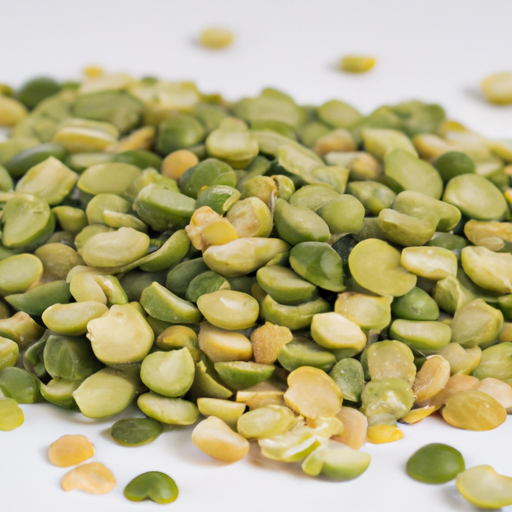
Last reviewed: January 2026
Reviewed by the Can I Eat Expired Editorial Team using official USDA, FDA, and CDC food safety guidance. How we assess food safety risk
This food is often safe when handled and stored properly, but safety depends on how it's been kept and whether any spoilage signs are present.
⏱️ Safe for up to 365 days after expiry if properly stored and showing no spoilage signs.
Pantry
50-70°F (10-21°C)
Store in airtight container. Keep in cool dry place. Check regularly for insects.
Dry foods stay fresher when protected from moisture, pests, and air exposure. airtight pantry containers (Amazon) help maintain quality and extend shelf life for pantry staples.
730 days
Insect presence, mold, unusual odor, moisture damage, discoloration
Excess humidity can cause dry foods to clump or spoil. Adding food-safe desiccant packs (Amazon) to storage containers helps control moisture levels and extend shelf life.
Sprouting, grinding into flour
Other dried legumes, lentils
The expiration date on a package of uncooked dried split peas primarily indicates the last date at which the peas are guaranteed to be at their peak quality in terms of taste and texture. Beyond this date, the split peas may still be safe to consume but could take longer to cook and might have a slightly altered taste. It is generally safe to consume split peas even after the expiration date as long as they have been stored properly and show no signs of spoilage.
When checking if uncooked dried split peas have gone bad, look for any discoloration, mold, or an off smell. Fresh split peas should have a uniform color and a mild, earthy aroma. Additionally, they should feel dry and firm to the touch without any signs of moisture or stickiness.
Uncooked dried split peas, like other legumes, can harbor bacteria like Salmonella and E. coli. To minimize the risk of foodborne illnesses, it is crucial to thoroughly rinse the split peas before cooking and ensure they are cooked at a high enough temperature to kill any pathogens. Additionally, proper storage in a cool, dry place is essential to prevent mold growth.
To prolong the shelf life of uncooked dried split peas, store them in an airtight container in a cool, dark place, away from moisture and direct sunlight. For extended storage, consider keeping them in the refrigerator or freezer to maintain their quality. Before cooking, inspect the split peas for any signs of discoloration, insect damage, or foul odor, and discard any that seem off. To expedite the cooking process, you can soak the split peas in water for a few hours or overnight before cooking.
Split peas have been a staple food in many cultures for centuries. They are a rich source of protein, fiber, and various nutrients, making them a valuable addition to vegetarian and vegan diets. In some cultures, split peas are used to make traditional dishes like pea soup or dhal, showcasing the versatility of this humble legume.
Uncooked Dried Split Peas stored in a warm pantry for several months may be safe to consume, but the quality may have degraded. Check for any signs of spoilage such as off odors, discoloration, or insect infestation. It's advisable to use your judgment and discard if unsure.
Once opened, Uncooked Dried Split Peas can typically be used within one year if stored properly in an airtight container in a cool, dry place. Ensure the peas remain free from moisture and pests for optimal quality.
The type of container can impact the shelf life of Uncooked Dried Split Peas. Opt for airtight containers that protect the peas from moisture, light, and pests. Transparent containers should be stored in a dark place to prevent light exposure that can degrade the quality over time.
Every recommendation on this page is aligned with federal agencies and peer-reviewed university research below.
Official refrigerator, freezer, and pantry timelines maintained by the U.S. Department of Agriculture.
Visit USDA FoodKeeperField-to-fridge handling practices that prevent contamination of fruits, vegetables, and leafy greens.
Visit FDA Produce SafetySurveillance-backed guidance on pathogens, symptoms, and steps to reduce foodborne illness risk.
Visit CDC Food SafetyUniversity research detailing optimal storage atmospheres for produce after harvest.
Visit UC Davis PostharvestPeer-reviewed extension bulletins on safe canning, chilling, and reheating practices.
Visit Penn State ExtensionImportant: These are general guidelines based on authoritative sources listed above. Always use your best judgment and when in doubt, throw it out.
Disclosure: As an Amazon Associate, we earn from qualifying purchases. This helps support our site and allows us to continue providing free food safety information.