USDAOfficial guidance
USDA FoodKeeper – Cold Storage Guidelines
Official refrigerator, freezer, and pantry timelines maintained by the U.S. Department of Agriculture.
Visit USDA FoodKeeperLast reviewed: January 2026
Reviewed by the Can I Eat Expired Editorial Team using official USDA, FDA, and CDC food safety guidance. How we assess food safety risk
Discard it after the expiration date.
Storage conditions, initial freshness, and proper handling change the answer — and those details are easy to miss.
Get a yes / no answer for your oatmeal bread pre un or bag →
Check Your Exact Situation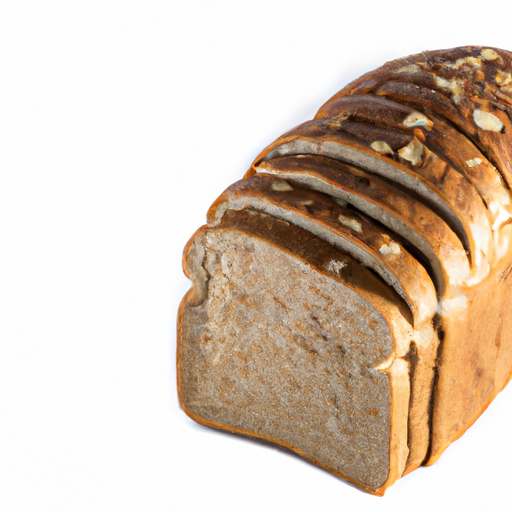
Pantry
Room temperature (around 68°F or 20°C)
Keep in a sealed plastic bag to maintain freshness
Dry foods stay fresher when protected from moisture, pests, and air exposure. airtight pantry containers (Amazon) help maintain quality and extend shelf life for pantry staples.
5 days
Mold, unusual odor, hardening
Excess humidity can cause dry foods to clump or spoil. Adding food-safe desiccant packs (Amazon) to storage containers helps control moisture levels and extend shelf life.
Croutons, bread crumbs
Whole wheat bread
The expiration date on oatmeal bread indicates the date until which the bread is guaranteed to be fresh and safe to eat. Beyond this date, the quality of the bread may deteriorate, becoming stale or dry. However, it does not necessarily mean the bread is unsafe to consume. The best quality of oatmeal bread is usually within a few days of purchase or before the expiration date. After this period, the bread may still be safe to eat but might not taste as fresh.
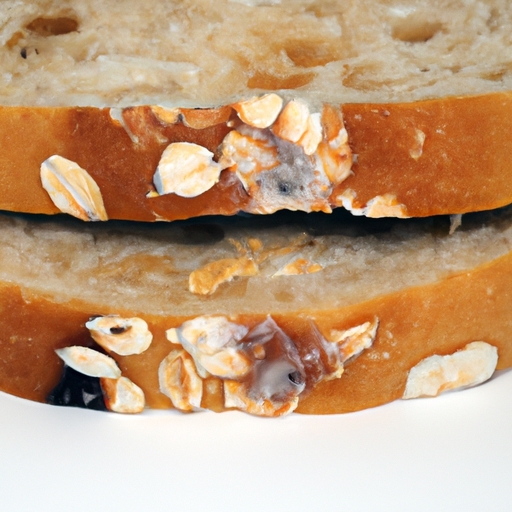
To check if pre-sliced oatmeal bread in an unopened or opened bag has gone bad, look for signs of mold, discoloration, or an off smell. Fresh oatmeal bread should have a pleasant, slightly sweet aroma and a soft, springy texture. If you notice any visible signs of spoilage or detect a sour or musty smell, it's best to discard the bread to avoid consuming spoiled food.
When it comes to oatmeal bread, the main concern for foodborne illnesses is mold growth. Mold can develop on bread, especially in humid environments or if the bread is stored improperly. Consuming moldy bread can lead to food poisoning symptoms such as nausea, vomiting, and diarrhea. To prevent mold growth, it is essential to store oatmeal bread properly in a cool, dry place.
To maintain the freshness of oatmeal bread, it is best to store it in a cool, dry place such as a bread box or a pantry. Avoid storing oatmeal bread in the refrigerator, as the cold temperature can make the bread go stale faster. If you have opened the bag of sliced oatmeal bread, reseal it tightly or transfer the slices to an airtight container to prevent them from drying out. If you have leftover oatmeal bread that you won't finish soon, consider freezing it. Wrap the bread tightly in plastic wrap or aluminum foil before placing it in the freezer. When ready to eat, thaw the bread at room temperature or lightly toast it for a fresh taste.
Oatmeal bread has been a staple in many cultures around the world for centuries. It is a versatile bread that can be enjoyed with sweet or savory toppings. In some cultures, oatmeal bread is considered a comfort food, often served warm with butter or jam. Oats are also known for their health benefits, being high in fiber and nutrients. Oatmeal bread is a popular choice for those looking for a nutritious and filling option.
Oatmeal Bread Packaged Pre Sliced Unopened or Opened Bag can be stored in the pantry for up to 5 days. Ensure it's kept in a cool, dry place away from direct sunlight and heat sources for optimal freshness.
If Oatmeal Bread Packaged Pre Sliced Unopened or Opened Bag has been at room temperature for more than 2 hours, it's best to discard it to prevent potential foodborne illness. Bacteria can multiply rapidly at room temperature, compromising food safety.
Freezing Oatmeal Bread Packaged Pre Sliced Unopened or Opened Bag can alter its texture slightly. Upon thawing, the bread may become slightly softer or denser than when fresh. To maintain better texture post-thaw, consider toasting the slices before consuming.
Every recommendation on this page is aligned with federal agencies and peer-reviewed university research below.
Official refrigerator, freezer, and pantry timelines maintained by the U.S. Department of Agriculture.
Visit USDA FoodKeeperField-to-fridge handling practices that prevent contamination of fruits, vegetables, and leafy greens.
Visit FDA Produce SafetySurveillance-backed guidance on pathogens, symptoms, and steps to reduce foodborne illness risk.
Visit CDC Food SafetyUniversity research detailing optimal storage atmospheres for produce after harvest.
Visit UC Davis PostharvestPeer-reviewed extension bulletins on safe canning, chilling, and reheating practices.
Visit Penn State ExtensionImportant: These are general guidelines based on authoritative sources listed above. Always use your best judgment and when in doubt, throw it out.
Disclosure: As an Amazon Associate, we earn from qualifying purchases. This helps support our site and allows us to continue providing free food safety information.