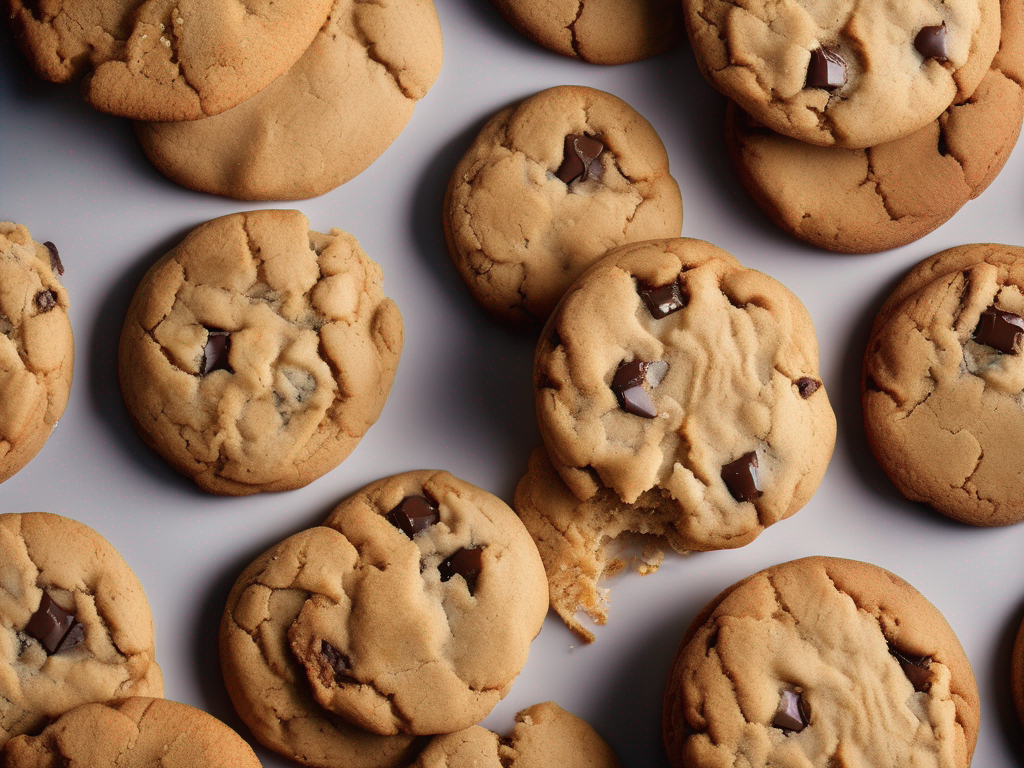
When to Toss Out Expired Cookies Unopened to Avoid Food Poisoning
When to Toss Out Expired Cookies Unopened to Avoid Food Poisoning
Who doesn't love a sweet treat like cookies? Whether it's chocolate chip, oatmeal raisin, or snickerdoodle, cookies are a beloved snack enjoyed by many. But what happens when you come across a pack of cookies that's been sitting in your pantry for a while, and you're not sure if they're still safe to eat? In this blog post, we'll discuss when to toss out expired cookies that are unopened to prevent the risk of food poisoning. (Cookies unopened)
Understanding Shelf Life of Cookies
Cookies, like many other packaged foods, come with a "best by" or expiration date stamped on the packaging. This date indicates the period during which the cookies are expected to be at their peak quality in terms of taste and texture. However, it's essential to note that the expiration date is not a strict indicator of food safety but rather a guideline for optimal freshness.
Factors Affecting Cookie Shelf Life
Several factors can influence the shelf life of cookies, even if they remain unopened. Understanding these factors can help you determine when it's time to discard expired cookies to avoid potential foodborne illnesses.
- Ingredients: Cookies containing ingredients like nuts, dairy, or eggs may have a shorter shelf life due to their perishable nature.
- Packaging: Damaged or compromised packaging can lead to exposure to air, moisture, and contaminants, accelerating the cookie's deterioration.
- Storage Conditions: Storing cookies in a cool, dry place away from heat and light can help prolong their shelf life. Exposure to humidity or temperature fluctuations can cause spoilage.
Signs of Spoiled Cookies
Even if cookies are unopened and past their expiration date, it's crucial to inspect them for signs of spoilage before consuming. Here are some indicators that your cookies may have gone bad:
Visual Signs
- Mold: Visible mold growth on the cookies or inside the packaging is a clear sign of spoilage.
- Discoloration: Changes in color, such as dark spots or a greenish hue, can indicate bacterial growth.
- Texture: Cookies that appear soggy, sticky, or excessively dry may have lost their freshness.
Smell and Taste
- Off Odors: If the cookies emit a rancid, musty, or sour smell, it's best to discard them.
- Off Flavors: Tasting the cookies can help determine if they have an unpleasant or off taste due to spoilage.
Food Safety Tips for Handling Expired Cookies
To minimize the risk of food poisoning from expired cookies, consider the following safety tips:
- Check the Expiration Date: Always look for the expiration date on the cookie packaging and adhere to it for quality and safety reasons.
- Inspect the Packaging: Examine the cookie packaging for signs of damage, including tears, punctures, or bulging, which may indicate spoilage.
- Store Properly: Keep cookies in airtight containers or resealable bags to maintain freshness and prevent exposure to contaminants.
- Rotate Stock: Practice first in, first out (FIFO) by using older cookies before newer ones to ensure they are consumed before expiration.
- Avoid Temperature Extremes: Store cookies in a cool, dry place away from direct sunlight, heat sources, or high humidity to preserve their quality.
When to Discard Expired Cookies Unopened
If you come across a pack of expired cookies that remain unopened, follow these guidelines to determine whether they are safe to consume:
- Check for Signs of Spoilage: Inspect the packaging for any visible signs of mold, discoloration, or unusual odors.
- Perform a Sniff Test: Smell the cookies to detect any off odors that may indicate spoilage.
- Consider the Ingredients: Cookies with perishable ingredients like dairy or eggs are more prone to spoilage and should be discarded if past the expiration date.
- Trust Your Instincts: If in doubt, it's better to err on the side of caution and discard the expired cookies rather than risking foodborne illness.
Conclusion
In conclusion, knowing when to toss out expired cookies that are unopened is crucial for food safety. By understanding the factors affecting shelf life, recognizing signs of spoilage, and following food safety tips, you can enjoy your favorite cookies without the risk of food poisoning. Remember, when in doubt, it's always best to throw it out!
For more information on food safety and storage, check out our guide on [cookies unopened](/food/cookies unopened). Stay safe and enjoy your treats responsibly! (Cookies unopened)
Related Posts
Here are some other articles you might find helpful:
Authoritative Food Safety References
These agencies and university labs inform every tip and health precaution we publish.
USDA FoodKeeper – Cold Storage Guidelines
Official refrigerator, freezer, and pantry timelines maintained by the U.S. Department of Agriculture.
Visit USDA FoodKeeperFDA Produce Safety Rule & Grower Guidance
Field-to-fridge handling practices that prevent contamination of fruits, vegetables, and leafy greens.
Visit FDA Produce SafetyCDC Foodborne Illness Prevention Hub
Surveillance-backed guidance on pathogens, symptoms, and steps to reduce foodborne illness risk.
Visit CDC Food SafetyUC Davis Postharvest Technology Center
University research detailing optimal storage atmospheres for produce after harvest.
Visit UC Davis PostharvestPenn State Extension – Home Food Preservation & Safety
Peer-reviewed extension bulletins on safe canning, chilling, and reheating practices.
Visit Penn State Extension