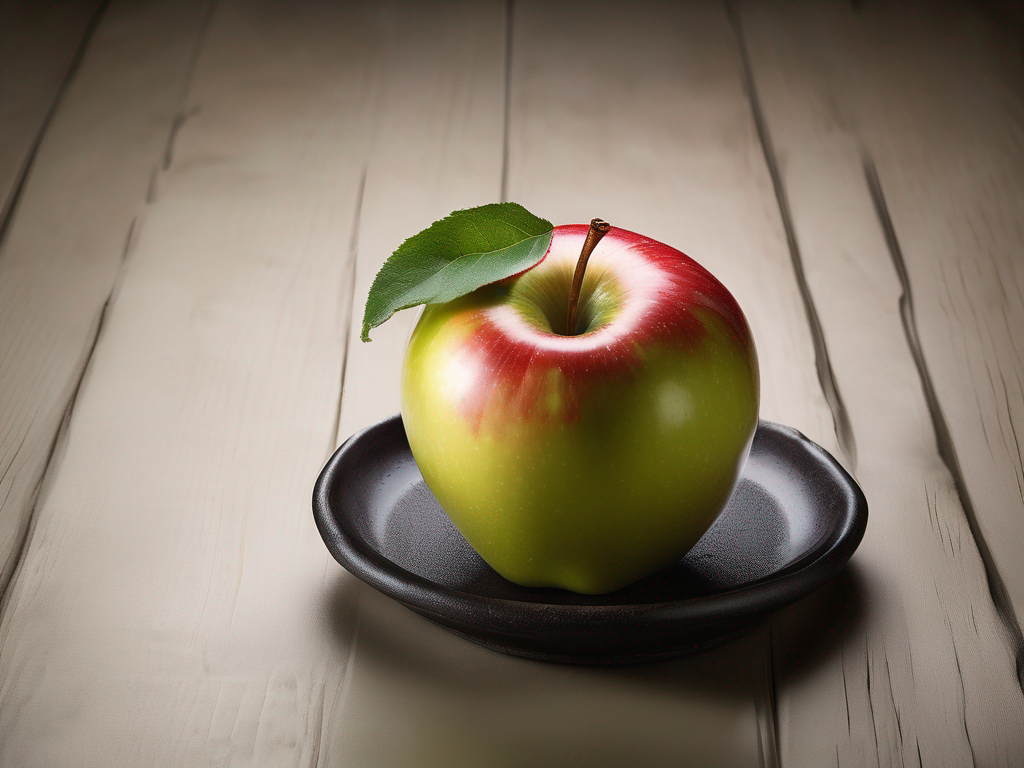
What to do with Expired Apple Cider Vinegar: Options and Solutions
What to do with Expired Apple Cider Vinegar: Options and Solutions
Apple cider vinegar is a versatile ingredient that is commonly used in cooking, cleaning, and even skincare routines. However, like all food products, apple cider vinegar can expire. When you find a bottle of apple cider vinegar that has passed its expiration date, you may wonder what to do with it. In this blog post, we will explore various options and solutions for dealing with expired apple cider vinegar in a safe and sustainable manner. (Apple)
Understanding Expiration Dates on Apple Cider Vinegar
Before we delve into what to do with expired apple cider vinegar, it's essential to understand what expiration dates mean. The expiration date on a bottle of apple cider vinegar indicates the manufacturer's estimate of how long the product will retain its quality and potency. It does not necessarily mean that the product is unsafe to consume after that date.
Factors Influencing Apple Cider Vinegar's Shelf Life
Several factors can impact the shelf life of apple cider vinegar, including:
Proper cooking temperatures are essential for food safety. An instant-read food thermometer (Amazon) helps ensure meat reaches safe internal temperatures and reduces the risk of foodborne illness.
- Storage Conditions: Proper storage in a cool, dark place can help prolong apple cider vinegar's shelf life.
- Quality of Ingredients: High-quality, organic apple cider vinegar may last longer than lower-quality varieties.
- Sealing and Contamination: Ensure the bottle is tightly sealed to prevent contamination, which can shorten the vinegar's shelf life.
Options for Expired Apple Cider Vinegar
When you come across a bottle of apple cider vinegar past its expiration date, consider the following options:
1. Culinary Uses
- Marinades and Salad Dressings: Expired apple cider vinegar can still be used to marinate meats or dress salads. The acidic nature of vinegar helps tenderize meat and adds flavor to dressings.
- Pickling: Use expired apple cider vinegar for pickling vegetables like cucumbers, onions, or peppers. The vinegar's acidity helps preserve the vegetables.
2. Cleaning and Household Uses
- Natural Cleaner: Mix expired apple cider vinegar with water to create a natural cleaning solution for countertops, glass surfaces, and bathroom fixtures.
- Deodorizer: Place a bowl of apple cider vinegar in the fridge or near trash cans to absorb odors.
3. Beauty and Skincare Remedies
- Hair Rinse: Dilute expired apple cider vinegar with water and use it as a hair rinse to remove product buildup and add shine to your hair.
- Facial Toner: Mix apple cider vinegar with water to create a gentle facial toner that helps balance the skin's pH levels.
Safety Precautions and Storage Tips
While expired apple cider vinegar can still be used in various ways, it's essential to keep the following safety precautions in mind:
- Check for Signs of Spoilage: Discard apple cider vinegar if it shows signs of mold, cloudiness, or an off odor.
- Proper Storage: Store apple cider vinegar in a cool, dark place away from direct sunlight and heat sources to maintain its quality.
- Avoid Contamination: Use clean utensils and always tightly seal the bottle after each use to prevent contamination.
Conclusion
In conclusion, expired apple cider vinegar can still be repurposed for culinary, household, and beauty uses, provided it shows no signs of spoilage. By understanding the factors influencing apple cider vinegar's shelf life and following safety precautions, you can make the most of this versatile ingredient even after it has expired. Next time you find a bottle of apple cider vinegar past its prime, consider the options mentioned above to make the most of it in a safe and sustainable manner. (Apple)
Refrigerator temperature fluctuations can accelerate spoilage and increase food safety risks. A refrigerator thermometer (Amazon) helps monitor consistent cold storage (40°F or below).
Authoritative Food Safety References
These agencies and university labs inform every tip and health precaution we publish.
USDA FoodKeeper – Cold Storage Guidelines
Official refrigerator, freezer, and pantry timelines maintained by the U.S. Department of Agriculture.
Visit USDA FoodKeeperFDA Produce Safety Rule & Grower Guidance
Field-to-fridge handling practices that prevent contamination of fruits, vegetables, and leafy greens.
Visit FDA Produce SafetyCDC Foodborne Illness Prevention Hub
Surveillance-backed guidance on pathogens, symptoms, and steps to reduce foodborne illness risk.
Visit CDC Food SafetyUC Davis Postharvest Technology Center
University research detailing optimal storage atmospheres for produce after harvest.
Visit UC Davis PostharvestPenn State Extension – Home Food Preservation & Safety
Peer-reviewed extension bulletins on safe canning, chilling, and reheating practices.
Visit Penn State ExtensionDisclosure: As an Amazon Associate, we earn from qualifying purchases. This helps support our site and allows us to continue providing free food safety information.