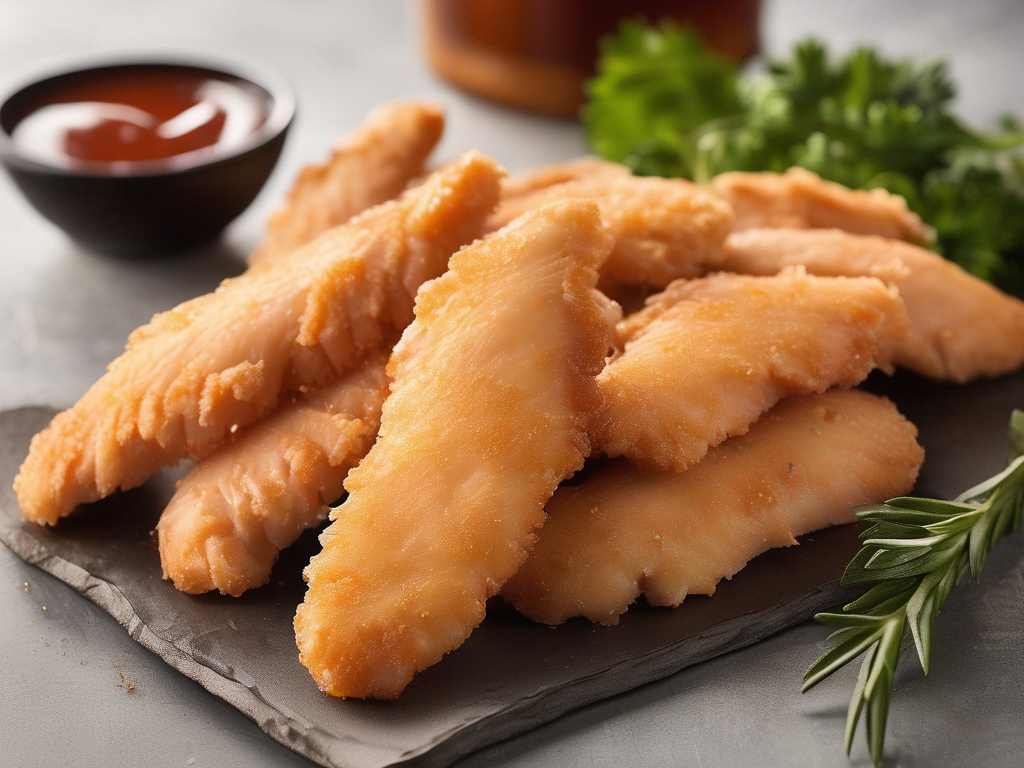
Thawing Frozen Chicken Tenders Safely: A Complete Guide
Thawing Frozen Chicken Tenders Safely: A Complete Guide
Are you in the mood for some crispy, delicious chicken tenders but forgot to take them out of the freezer in advance? Don't worry! Thawing frozen chicken tenders safely is crucial to prevent the growth of harmful bacteria and ensure that your meal is both tasty and safe to eat. In this comprehensive guide, we will explore the best methods for thawing frozen chicken tenders while maintaining food safety standards. (Frozen chicken tenders)
Why Thawing Chicken Tenders Properly is Important
Thawing frozen chicken tenders properly is essential to avoid the risk of foodborne illnesses caused by bacterial contamination. When chicken is not thawed correctly, bacteria can multiply rapidly, leading to potential health hazards. By following safe thawing practices, you can enjoy your favorite chicken tenders without compromising on taste or safety.
The Risks of Improper Thawing
Improperly thawed chicken tenders can pose several risks, including:
Proper cooking temperatures are essential for food safety. An instant-read food thermometer (Amazon) helps ensure meat reaches safe internal temperatures and reduces the risk of foodborne illness.
- Bacterial Growth: Bacteria such as Salmonella and E. coli can multiply rapidly in chicken that is thawed at unsafe temperatures.
- Foodborne Illnesses: Consuming undercooked or contaminated chicken can lead to food poisoning, resulting in symptoms like nausea, vomiting, and diarrhea.
- Loss of Quality: Thawing chicken improperly can affect the texture and flavor of the meat, resulting in a less enjoyable dining experience.
Safe Methods for Thawing Frozen Chicken Tenders
When it comes to thawing frozen chicken tenders, there are several safe methods you can use. Let's explore each method in detail:
1. Refrigerator Thawing
Refrigerator thawing is the safest method for thawing frozen chicken tenders as it maintains a consistent temperature, preventing bacterial growth. Follow these steps for refrigerator thawing:
- Place the frozen chicken tenders in a shallow dish or container to catch any drips.
- Place the dish in the refrigerator and allow the chicken to thaw slowly over time. This method can take several hours to overnight, depending on the size of the tenders.
- Once thawed, cook the chicken tenders immediately to ensure food safety.
2. Cold Water Thawing
Cold water thawing is a quicker method compared to refrigerator thawing but requires more attention to temperature control. Follow these steps for cold water thawing:
Refrigerator temperature fluctuations can accelerate spoilage and increase food safety risks. A refrigerator thermometer (Amazon) helps monitor consistent cold storage (40°F or below).
- Seal the frozen chicken tenders in a leak-proof plastic bag to prevent water from seeping in.
- Submerge the bag in a bowl of cold water, ensuring that the water remains cold. Change the water every 30 minutes to maintain a safe temperature.
- Thaw the chicken tenders until they are no longer frozen but still cold to the touch.
- Cook the chicken tenders immediately after thawing.
3. Microwave Thawing
Microwave thawing is the fastest method for thawing frozen chicken tenders but requires caution to ensure even thawing. Follow these steps for microwave thawing:
- Place the frozen chicken tenders on a microwave-safe plate and use the defrost setting on your microwave.
- Follow the microwave's instructions for defrosting chicken or use a lower power setting to thaw the tenders evenly.
- Check the chicken tenders frequently to prevent any parts from cooking during the thawing process.
- Cook the chicken tenders immediately after thawing to the correct internal temperature.
Tips for Thawing Chicken Tenders Safely
To ensure that you thaw frozen chicken tenders safely and maintain food quality, consider the following tips:
- Always thaw chicken tenders in the refrigerator or using cold water to prevent bacterial growth.
- Never thaw chicken tenders at room temperature, as this can lead to rapid bacterial multiplication.
- Use a food thermometer to check the internal temperature of the chicken tenders to ensure they are fully cooked.
- Avoid refreezing thawed chicken tenders, as this can affect the texture and taste of the meat.
Conclusion
Thawing frozen chicken tenders safely is essential to prevent foodborne illnesses and maintain the quality of the meat. By following the recommended thawing methods and safety tips outlined in this guide, you can enjoy delicious chicken tenders with peace of mind. Remember to prioritize food safety at all times to ensure a healthy and enjoyable dining experience.
For more information on [frozen chicken tenders](/food/frozen chicken tenders) and other food safety tips, stay tuned for our future blog posts. Stay safe and happy cooking! (Frozen chicken tenders)
Authoritative Food Safety References
These agencies and university labs inform every tip and health precaution we publish.
USDA FoodKeeper – Cold Storage Guidelines
Official refrigerator, freezer, and pantry timelines maintained by the U.S. Department of Agriculture.
Visit USDA FoodKeeperFDA Produce Safety Rule & Grower Guidance
Field-to-fridge handling practices that prevent contamination of fruits, vegetables, and leafy greens.
Visit FDA Produce SafetyCDC Foodborne Illness Prevention Hub
Surveillance-backed guidance on pathogens, symptoms, and steps to reduce foodborne illness risk.
Visit CDC Food SafetyUC Davis Postharvest Technology Center
University research detailing optimal storage atmospheres for produce after harvest.
Visit UC Davis PostharvestPenn State Extension – Home Food Preservation & Safety
Peer-reviewed extension bulletins on safe canning, chilling, and reheating practices.
Visit Penn State ExtensionDisclosure: As an Amazon Associate, we earn from qualifying purchases. This helps support our site and allows us to continue providing free food safety information.