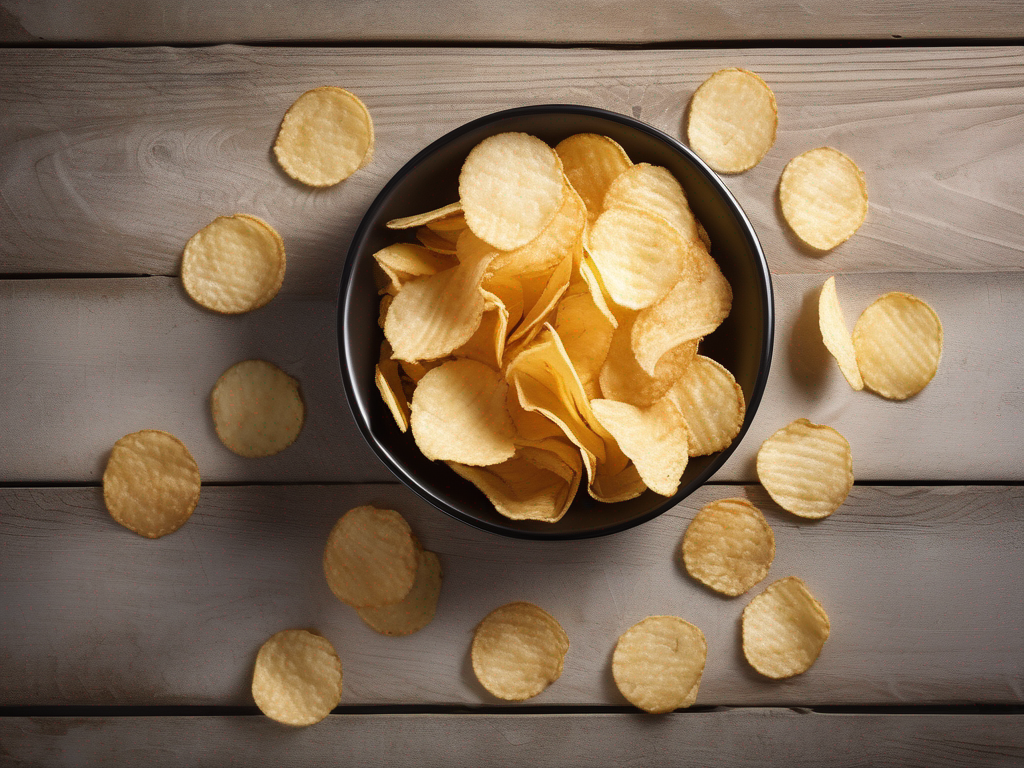
How to Store Potato Chips to Keep Them Fresh
How to Store Potato Chips to Keep Them Fresh
Potato chips are a beloved snack enjoyed by people of all ages. Whether you prefer classic salted chips or opt for unique flavors, one thing is certain – no one likes stale chips. To ensure your potato chips remain fresh, crispy, and flavorful, proper storage is key. In this comprehensive guide, we'll explore the best ways to store potato chips to maintain their quality and taste. (Potato chips)
Understanding the Enemy: Factors That Cause Chips to Lose Freshness
Before diving into storage techniques, it's essential to understand the factors that contribute to the deterioration of potato chips' quality. By identifying these culprits, you can take proactive steps to preserve the freshness of your favorite snack. Here are some common factors that can cause chips to go stale:
1. Exposure to Air
When potato chips are exposed to air, they are susceptible to moisture absorption, leading to sogginess and loss of crispiness.
2. Light and Heat
Exposure to light and heat can accelerate the oxidation process in potato chips, causing them to become rancid and lose their flavor.
3. Humidity
High humidity levels can make potato chips lose their crunchiness and become limp over time.
4. Improper Sealing
Inadequate sealing of chip bags can allow air to enter, compromising the freshness of the chips.
Best Practices for Storing Potato Chips
Now that we've identified the enemies of chip freshness, let's explore the best practices for storing potato chips to preserve their taste and texture.
1. Choose the Right Container
Opt for a resealable airtight container to store your potato chips. This will help prevent exposure to air and maintain the chips' crispiness.
2. Store in a Cool, Dark Place
Find a cool, dark place in your pantry or cupboard to store the chip container. Avoid areas exposed to direct sunlight or heat sources to prevent flavor degradation.
3. Use Desiccants
If you live in a humid environment, consider placing desiccants like silica gel packs in the chip container to absorb excess moisture and maintain crunchiness.
4. Avoid Freezing Potato Chips
While freezing is a common method for preserving food, it is not recommended for potato chips. Freezing can cause chips to become soggy when thawed, compromising their texture.
5. Consume Within a Reasonable Timeframe
To enjoy the optimal freshness and flavor of potato chips, consume them within a reasonable timeframe after opening the bag. Reseal the container tightly after each use to extend the shelf life.
Additional Tips for Keeping Potato Chips Fresh
In addition to the best practices mentioned above, here are some additional tips to help you keep your potato chips fresh and delicious:
- Avoid Crushing: Handle potato chip bags with care to prevent crushing, which can lead to a loss of texture.
- Refrigerate After Opening: If you prefer your potato chips cold, you can refrigerate the sealed container for a refreshing crunch.
- Rotate Stock: If you have multiple bags of potato chips, make sure to rotate them to consume older bags first and maintain freshness.
Conclusion
Proper storage is essential for maintaining the freshness and quality of potato chips. By following the recommended practices, such as using airtight containers, storing in a cool place, and avoiding exposure to air and humidity, you can enjoy crispy and flavorful chips every time you reach for a snack. Remember, the key to preserving the crunchiness of potato chips is in your hands – or rather, in how you store them! (Potato chips)
Authoritative Food Safety References
These agencies and university labs inform every tip and health precaution we publish.
USDA FoodKeeper – Cold Storage Guidelines
Official refrigerator, freezer, and pantry timelines maintained by the U.S. Department of Agriculture.
Visit USDA FoodKeeperFDA Produce Safety Rule & Grower Guidance
Field-to-fridge handling practices that prevent contamination of fruits, vegetables, and leafy greens.
Visit FDA Produce SafetyCDC Foodborne Illness Prevention Hub
Surveillance-backed guidance on pathogens, symptoms, and steps to reduce foodborne illness risk.
Visit CDC Food SafetyUC Davis Postharvest Technology Center
University research detailing optimal storage atmospheres for produce after harvest.
Visit UC Davis PostharvestPenn State Extension – Home Food Preservation & Safety
Peer-reviewed extension bulletins on safe canning, chilling, and reheating practices.
Visit Penn State Extension