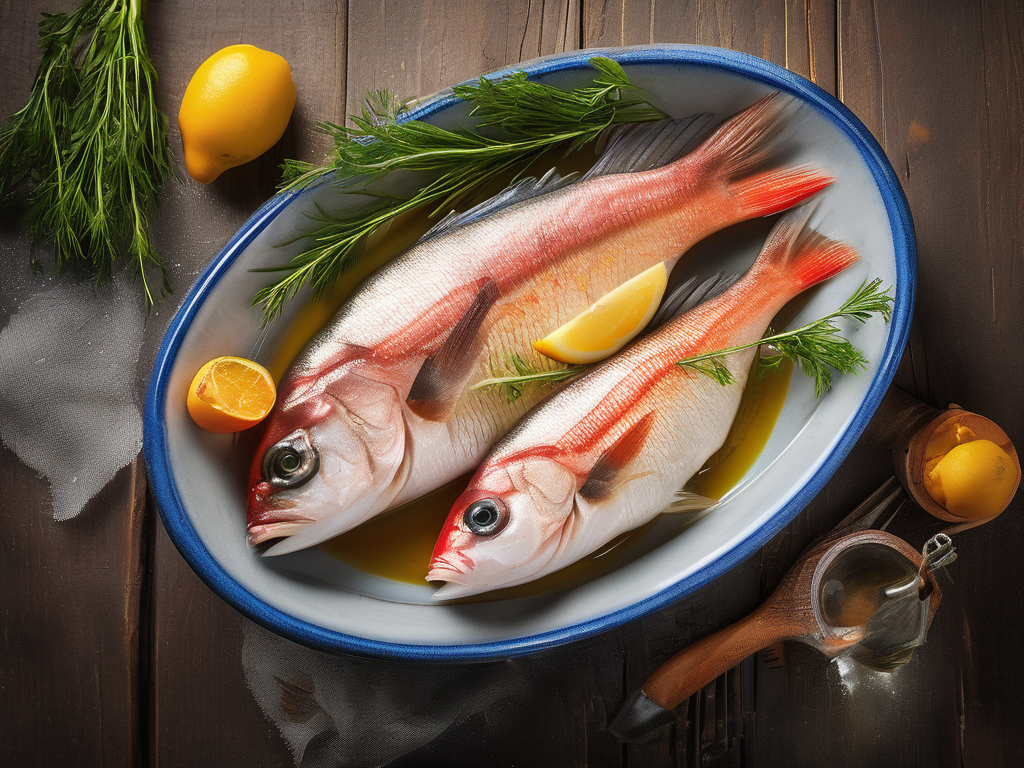
How to Store Perch Fresh Raw for Optimal Freshness
How to Store Perch Fresh Raw for Optimal Freshness
When it comes to ensuring the freshness and quality of your perch fresh raw, proper storage is key. Whether you've caught the fish yourself or purchased it from a local market, knowing how to store perch fresh raw correctly can make a significant difference in taste and safety. In this guide, we'll explore the best practices for storing perch fresh raw to maintain its optimal freshness. (Perch fresh raw)
Understanding Perch Fresh Raw
Before delving into the storage methods, it's essential to understand what perch fresh raw is and why it requires specific storage conditions. [Perch fresh raw](/food/perch fresh raw) refers to uncooked perch fillets or whole fish that have not been processed or cooked. Perch is a popular freshwater fish known for its delicate flavor and flaky texture.
Proper storage is crucial for perch fresh raw to prevent bacterial growth, maintain texture, and preserve its natural flavors. By following the correct storage guidelines, you can ensure that your perch remains safe to eat and retains its quality for longer periods.
Seafood is highly perishable and requires consistent cold storage. A refrigerator thermometer (Amazon) helps ensure your refrigerator maintains safe temperatures (40°F or below) to prevent spoilage.
Best Practices for Storing Perch Fresh Raw
1. Refrigeration
- Place the perch fresh raw in a shallow dish or tray to catch any drips or moisture.
- Cover the fish loosely with plastic wrap or aluminum foil to protect it from air exposure.
- Store the fish in the coldest part of the refrigerator, typically the bottom shelf.
- Keep the refrigerator temperature at or below 40°F (4°C) to slow down bacterial growth.
2. Freezing
- If you're not planning to consume the perch fresh raw immediately, freezing is a great option for long-term storage.
- Wrap the fish tightly in plastic wrap or aluminum foil to prevent freezer burn.
- Place the wrapped fish in a resealable freezer bag or airtight container to further protect it from freezer odors.
- Label the package with the date of freezing to track its freshness.
3. Avoid Cross-Contamination
- When storing perch fresh raw in the refrigerator, keep it separate from ready-to-eat foods to prevent cross-contamination.
- Use different cutting boards, utensils, and containers for raw fish to avoid spreading bacteria to other foods.
4. Proper Handling
- Always wash your hands thoroughly before and after handling perch fresh raw to prevent contamination.
- Use clean kitchen surfaces and utensils when preparing or storing the fish.
- Discard any leftover marinades or sauces that have come into contact with raw fish to avoid foodborne illness.
Safety Precautions for Storing Perch Fresh Raw
1. Check for Freshness
- Before storing perch fresh raw, ensure that the fish is fresh by checking for clear, bright eyes, firm flesh, and a mild ocean-like smell.
- Avoid storing fish that appears discolored, slimy, or has a strong fishy odor, as these are signs of spoilage.
2. Storage Duration
- Fresh perch should be consumed within 1-2 days of purchase or catch for optimal freshness.
- Frozen perch can be stored for up to 6 months in the freezer but should be consumed within 2-3 months for the best quality.
3. Thawing
- When ready to cook frozen perch fresh raw, thaw it in the refrigerator overnight or under cold running water.
- Avoid thawing fish at room temperature to prevent bacterial growth.
Conclusion
Proper storage is essential in preserving the freshness and quality of perch fresh raw. By following the guidelines outlined in this guide, you can ensure that your fish remains safe to eat and maintains its delicious taste. Whether you choose to refrigerate or freeze your perch fresh raw, remember to prioritize food safety practices to enjoy this flavorful fish to the fullest. (Perch fresh raw)
Authoritative Food Safety References
These agencies and university labs inform every tip and health precaution we publish.
USDA FoodKeeper – Cold Storage Guidelines
Official refrigerator, freezer, and pantry timelines maintained by the U.S. Department of Agriculture.
Visit USDA FoodKeeperFDA Produce Safety Rule & Grower Guidance
Field-to-fridge handling practices that prevent contamination of fruits, vegetables, and leafy greens.
Visit FDA Produce SafetyCDC Foodborne Illness Prevention Hub
Surveillance-backed guidance on pathogens, symptoms, and steps to reduce foodborne illness risk.
Visit CDC Food SafetyUC Davis Postharvest Technology Center
University research detailing optimal storage atmospheres for produce after harvest.
Visit UC Davis PostharvestPenn State Extension – Home Food Preservation & Safety
Peer-reviewed extension bulletins on safe canning, chilling, and reheating practices.
Visit Penn State ExtensionDisclosure: As an Amazon Associate, we earn from qualifying purchases. This helps support our site and allows us to continue providing free food safety information.