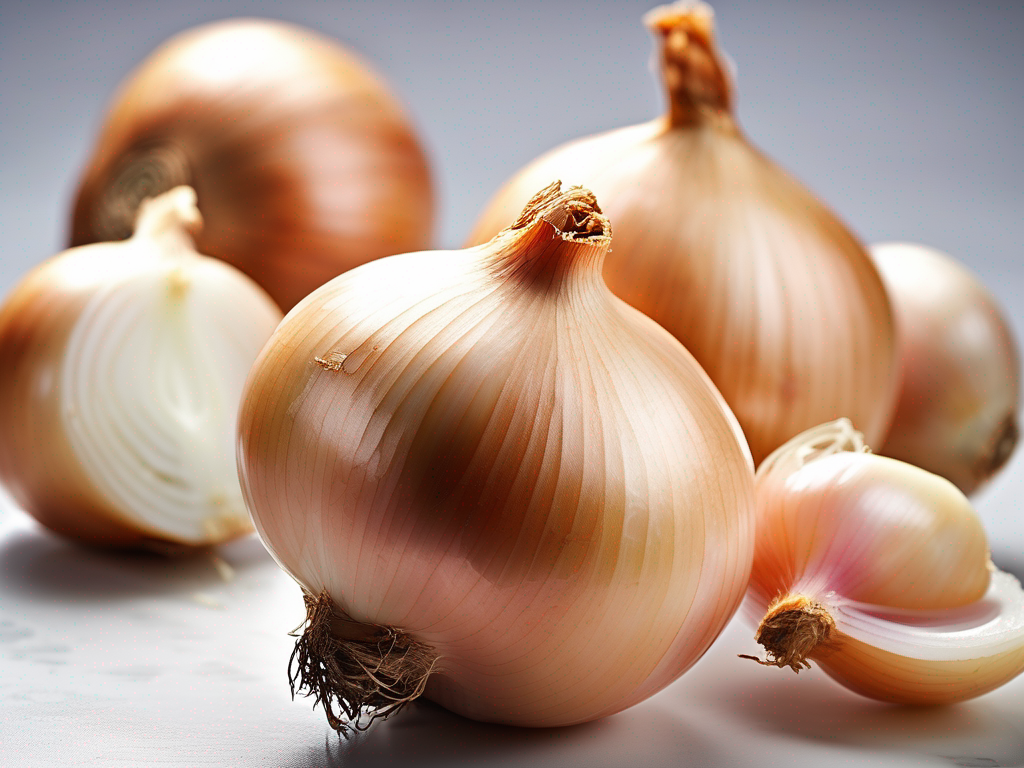
The Best Way to Store Onions Fresh Whole for Maximum Freshness
The Best Way to Store Onions Fresh Whole for Maximum Freshness
Onions are a staple ingredient in many dishes, providing flavor and depth to a wide range of recipes. To ensure that your onions stay fresh and flavorful for as long as possible, proper storage is essential. In this guide, we will explore the best ways to store onions fresh whole to maximize their freshness and shelf life. (Onions fresh whole)
Why Proper Storage is Important for Onions
Proper storage is crucial for maintaining the quality and flavor of onions. When stored correctly, onions can stay fresh for an extended period, reducing waste and saving you money. Here are some key reasons why proper storage is important for onions:
- Prevents sprouting and rotting
- Retains flavor and texture
- Minimizes waste
- Saves money
Selecting the Right Onions for Storage
Before storing onions, it's important to select the right ones. Look for onions that are firm, dry, and free from any soft spots or mold. Avoid onions with signs of sprouting or green shoots, as this indicates that they are past their prime and may not store well.
Proper airflow and humidity control can significantly extend produce freshness. Many households use produce storage containers (Amazon) in the refrigerator to regulate moisture and slow spoilage.
The Best Way to Store Onions Fresh Whole
1. Choose a Cool, Dry, and Well-Ventilated Storage Area:
- Onions should be stored in a cool, dry place with good air circulation. A pantry, cellar, or garage are ideal locations for storing onions.
- Avoid storing onions near sources of heat or moisture, such as the stove, sink, or dishwasher.
2. Store Onions in a Mesh Bag or Basket:
- Place whole onions in a mesh bag or basket to allow for air circulation. This helps prevent moisture buildup and extends the shelf life of the onions.
- Avoid storing onions in plastic bags or airtight containers, as this can trap moisture and lead to rotting.
3. Keep Onions Away from Potatoes and Apples:
- Onions release ethylene gas, which can cause potatoes and apples to spoil more quickly. Store onions separately from these fruits and vegetables to prevent premature ripening and spoilage.
4. Check and Rotate Onions Regularly:
- Inspect stored onions regularly for any signs of sprouting, soft spots, or mold. Remove any onions that show signs of spoilage to prevent it from spreading to the rest of the batch.
- Rotate the onions in the storage area to ensure that older ones are used first.
5. Avoid Refrigerating Whole Onions:
- While cut onions should be refrigerated, whole onions should be stored at room temperature. Refrigeration can cause whole onions to become soft and lose flavor.
- If you have already cut an onion, store the remaining portion in the refrigerator in an airtight container.
Conclusion
Proper storage is key to keeping onions fresh whole for an extended period. By following the tips outlined in this guide, you can maximize the freshness and shelf life of your onions, ensuring that they remain flavorful and ready to use in your favorite recipes. Remember to choose the right onions, store them in a cool, dry place with good air circulation, and check them regularly for signs of spoilage. With these simple steps, you can enjoy fresh, flavorful onions for weeks to come. (Onions fresh whole)
Authoritative Food Safety References
These agencies and university labs inform every tip and health precaution we publish.
USDA FoodKeeper – Cold Storage Guidelines
Official refrigerator, freezer, and pantry timelines maintained by the U.S. Department of Agriculture.
Visit USDA FoodKeeperFDA Produce Safety Rule & Grower Guidance
Field-to-fridge handling practices that prevent contamination of fruits, vegetables, and leafy greens.
Visit FDA Produce SafetyCDC Foodborne Illness Prevention Hub
Surveillance-backed guidance on pathogens, symptoms, and steps to reduce foodborne illness risk.
Visit CDC Food SafetyUC Davis Postharvest Technology Center
University research detailing optimal storage atmospheres for produce after harvest.
Visit UC Davis PostharvestPenn State Extension – Home Food Preservation & Safety
Peer-reviewed extension bulletins on safe canning, chilling, and reheating practices.
Visit Penn State ExtensionDisclosure: As an Amazon Associate, we earn from qualifying purchases. This helps support our site and allows us to continue providing free food safety information.