The Ultimate Guide to Storing Lutefisk for Freshness
The Ultimate Guide to Storing Lutefisk for Freshness
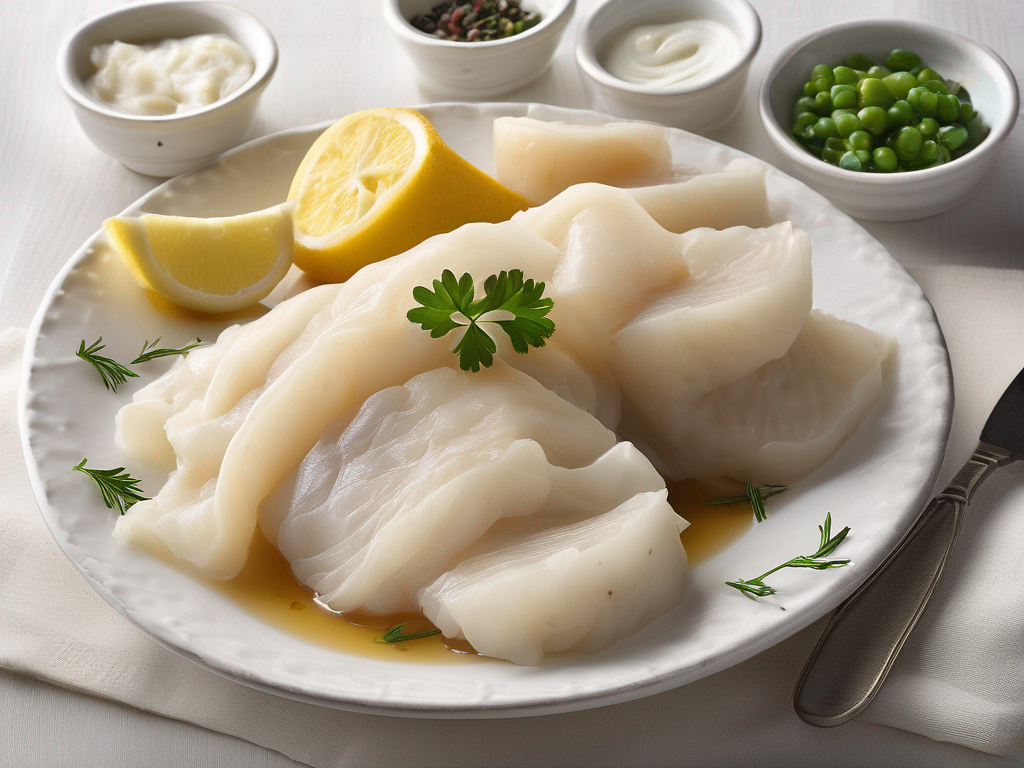
Lutefisk, a traditional Nordic dish made from dried whitefish and lye, is a delicacy enjoyed by many during the holiday season. However, to maintain its unique flavor and texture, proper storage is essential. In this comprehensive guide, we will explore the best ways to store lutefisk to ensure its freshness and safety. (Lutefisk)
Understanding Lutefisk
Before delving into storage methods, it's crucial to understand the nature of lutefisk. This dish is known for its gelatinous texture and distinct aroma, which can be off-putting to some but beloved by others. Lutefisk is traditionally prepared by soaking dried fish in a lye solution for several days before cooking.
Importance of Proper Storage
Proper storage is key to preserving the quality and safety of lutefisk. When stored incorrectly, lutefisk can spoil quickly, leading to foodborne illnesses. To enjoy this dish at its best, follow these storage guidelines:
Proper cooking temperatures are essential for food safety. An instant-read food thermometer (Amazon) helps ensure meat reaches safe internal temperatures and reduces the risk of foodborne illness.
Fresh Lutefisk Storage Tips
-
Refrigeration: If you plan to consume lutefisk within a few days of purchase, store it in the refrigerator at temperatures below 40°F (4°C).
-
Air-Tight Container: Place the lutefisk in an airtight container or sealed plastic bag to prevent odors from permeating and affecting its taste.
-
Avoid Freezing: While lutefisk can be frozen for extended storage, it may alter the texture and taste. It is best consumed fresh if possible.
Freezing Lutefisk for Long-Term Storage
-
Wrap Properly: If you must freeze lutefisk, wrap it tightly in plastic wrap or aluminum foil to prevent freezer burn and maintain moisture.
-
Labeling: Clearly label the package with the date of freezing to track its shelf life.
-
Freezer Temperature: Store lutefisk in the coldest part of the freezer at 0°F (-18°C) or below to maintain its quality.
Thawing Lutefisk Safely
-
Slow Thawing: To preserve the texture of lutefisk, thaw it slowly in the refrigerator for 24-48 hours before cooking.
-
Avoid Room Temperature: Do not thaw lutefisk at room temperature, as this can promote bacterial growth and compromise food safety.
Signs of Spoiled Lutefisk
It's essential to recognize the signs of spoiled lutefisk to prevent foodborne illnesses. If you notice any of the following indicators, discard the lutefisk immediately:
- Foul odor
- Slimy texture
- Mold growth
- Discoloration
Conclusion
In conclusion, proper storage is crucial for maintaining the freshness and safety of lutefisk. Whether you choose to refrigerate or freeze this traditional dish, following the recommended guidelines will ensure that it retains its unique flavor and texture. By understanding the best practices for storing lutefisk, you can enjoy this delicacy with peace of mind.
For more information on lutefisk and other food safety tips, visit here. Stay safe and enjoy your lutefisk! (Lutefisk)
Authoritative Food Safety References
These agencies and university labs inform every tip and health precaution we publish.
USDA FoodKeeper – Cold Storage Guidelines
Official refrigerator, freezer, and pantry timelines maintained by the U.S. Department of Agriculture.
Visit USDA FoodKeeperFDA Produce Safety Rule & Grower Guidance
Field-to-fridge handling practices that prevent contamination of fruits, vegetables, and leafy greens.
Visit FDA Produce SafetyCDC Foodborne Illness Prevention Hub
Surveillance-backed guidance on pathogens, symptoms, and steps to reduce foodborne illness risk.
Visit CDC Food SafetyUC Davis Postharvest Technology Center
University research detailing optimal storage atmospheres for produce after harvest.
Visit UC Davis PostharvestPenn State Extension – Home Food Preservation & Safety
Peer-reviewed extension bulletins on safe canning, chilling, and reheating practices.
Visit Penn State ExtensionDisclosure: As an Amazon Associate, we earn from qualifying purchases. This helps support our site and allows us to continue providing free food safety information.