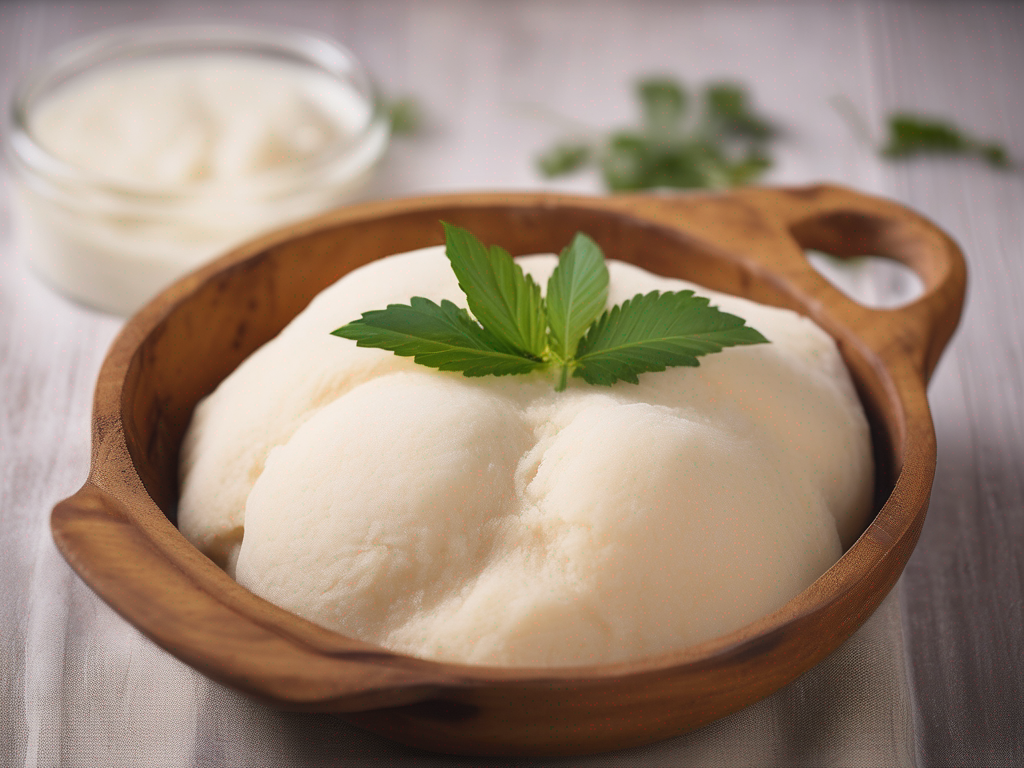
The Best Way to Store Leftover Fufu West African Cassava Dough
The Best Way to Store Leftover Fufu West African Cassava Dough
If you've ever made a delicious batch of Fufu West African Cassava Dough and found yourself with leftovers, you may be wondering how to store it properly to prevent spoilage. Fufu is a popular staple in many West African countries and is made from cassava flour. Proper storage is essential to maintain its freshness and taste. In this blog post, we will explore the best ways to store leftover Fufu to ensure it stays safe to eat. (Fufu west african cassava dough)
Understanding Fufu West African Cassava Dough
Before diving into storage tips, let's briefly discuss what Fufu is and why it needs proper handling. Fufu is a versatile dish made by cooking cassava flour with water to create a smooth, dough-like consistency. It is often served as an accompaniment to soups, stews, and other dishes in West African cuisine. Fufu has a relatively short shelf life due to its high moisture content, making it susceptible to spoilage if not stored correctly.
Factors Affecting Fufu Spoilage
Several factors can contribute to the spoilage of Fufu, including:
- Moisture: Fufu's high moisture content provides an ideal environment for bacteria and mold growth.
- Temperature: Storing Fufu at improper temperatures can accelerate spoilage.
- Air Exposure: Exposure to air can lead to oxidation and microbial contamination.
Now that we understand why proper storage is crucial let's explore the best ways to store leftover Fufu.
Tips for Storing Leftover Fufu
1. Refrigeration
Refrigeration is one of the most effective ways to extend the shelf life of leftover Fufu. Follow these steps to refrigerate Fufu properly:
- Place the Fufu in an airtight container to prevent moisture loss and contamination.
- Store the container in the refrigerator at a temperature below 40°F (4°C).
- Consume the leftover Fufu within 2-3 days for the best quality.
2. Freezing
Freezing is another excellent option for storing leftover Fufu for an extended period. Here's how to freeze Fufu properly:
- Divide the Fufu into individual portions for easier thawing.
- Wrap each portion tightly in plastic wrap or aluminum foil.
- Place the wrapped portions in a freezer-safe bag or container.
- Label the container with the date and store it in the freezer at 0°F (-18°C) or below.
3. Vacuum Sealing
Vacuum sealing is a great method for extending the shelf life of Fufu by removing excess air from the packaging. Follow these steps to vacuum seal leftover Fufu:
- Use a vacuum sealer to remove air from the storage bag or container.
- Seal the bag tightly to prevent air and moisture from entering.
- Store the vacuum-sealed Fufu in the refrigerator or freezer according to your preference.
4. Reheating Safely
When reheating leftover Fufu, ensure it reaches an internal temperature of 165°F (74°C) to kill any harmful bacteria. Use a microwave, stovetop, or oven to reheat Fufu thoroughly before consuming it.
Conclusion
Properly storing leftover Fufu West African Cassava Dough is essential to maintain its quality and safety. Whether you choose to refrigerate, freeze, or vacuum seal your leftovers, following these storage tips will help prevent spoilage and preserve the delicious taste of Fufu. By understanding the factors that contribute to spoilage and taking proactive steps to store Fufu correctly, you can enjoy this traditional dish for longer periods without compromising its integrity. (Fufu west african cassava dough)
Authoritative Food Safety References
These agencies and university labs inform every tip and health precaution we publish.
USDA FoodKeeper – Cold Storage Guidelines
Official refrigerator, freezer, and pantry timelines maintained by the U.S. Department of Agriculture.
Visit USDA FoodKeeperFDA Produce Safety Rule & Grower Guidance
Field-to-fridge handling practices that prevent contamination of fruits, vegetables, and leafy greens.
Visit FDA Produce SafetyCDC Foodborne Illness Prevention Hub
Surveillance-backed guidance on pathogens, symptoms, and steps to reduce foodborne illness risk.
Visit CDC Food SafetyUC Davis Postharvest Technology Center
University research detailing optimal storage atmospheres for produce after harvest.
Visit UC Davis PostharvestPenn State Extension – Home Food Preservation & Safety
Peer-reviewed extension bulletins on safe canning, chilling, and reheating practices.
Visit Penn State Extension