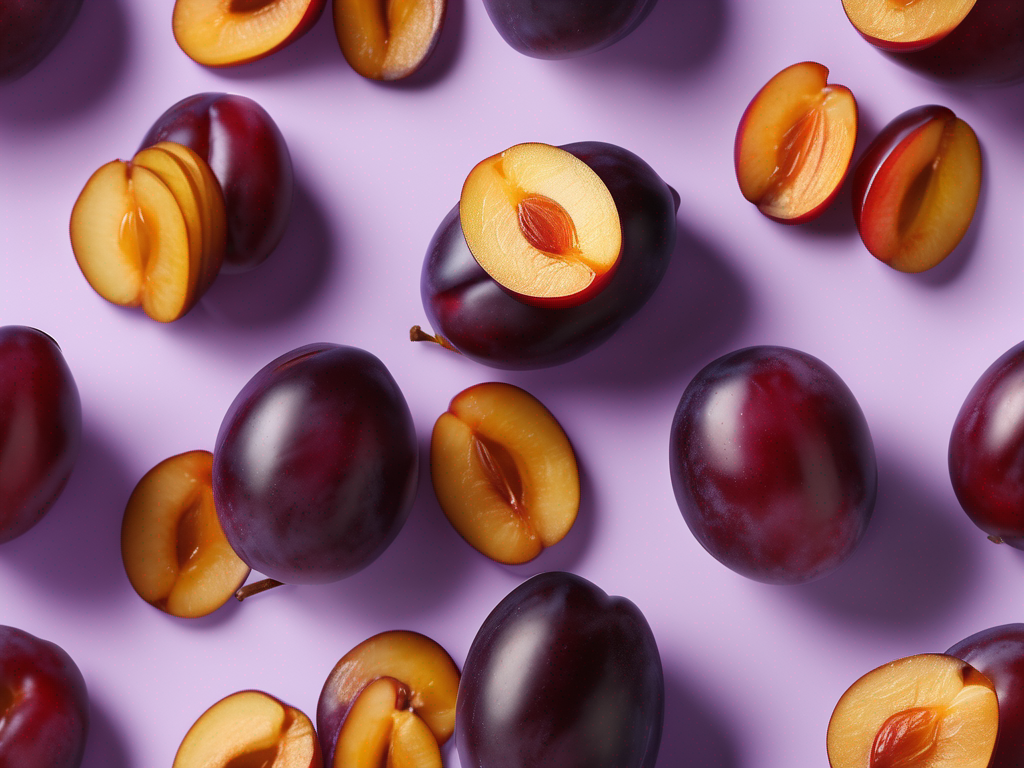
The Best Way to Store European Plums to Prevent Spoilage
The Best Way to Store European Plums to Prevent Spoilage
When it comes to enjoying the delicious and nutritious European plum, proper storage is key to maintaining its freshness and flavor for as long as possible. Whether you have a bountiful harvest from your own backyard tree or you picked up a batch from the local farmer's market, knowing how to store European plums correctly can help extend their shelf life and prevent spoilage. In this comprehensive guide, we'll explore the best practices for storing European plums to keep them fresh and tasty. (European plum)
Understanding European Plums
Before diving into the storage methods, let's take a closer look at European plums. European plums, scientifically known as Prunus domestica, are a popular type of plum with a sweet and juicy flavor. These plums are commonly used in cooking, baking, and canning due to their rich taste and versatile nature. European plums come in various colors, including purple, red, and yellow, and are packed with essential nutrients like vitamins A and C, fiber, and antioxidants.
Benefits of European Plums
- Rich in vitamins and minerals
- High in fiber content
- Antioxidant properties
- Versatile for cooking and baking
Now that we have a better understanding of European plums, let's explore the best practices for storing them to maintain their freshness and quality.
Best Practices for Storing European Plums
Proper storage is crucial to prevent European plums from spoiling prematurely. Follow these tips to ensure your plums stay fresh and flavorful for as long as possible:
1. Choose Ripe Plums
- Select plums that are ripe but still firm to the touch.
- Avoid plums that are overly soft, bruised, or damaged, as they are more prone to spoilage.
2. Store at Room Temperature
- If you plan to consume the plums within a few days, store them at room temperature.
- Place the plums in a single layer on a countertop away from direct sunlight and heat sources.
3. Refrigerate for Extended Storage
- For longer storage, refrigerate the plums.
- Place ripe plums in a perforated plastic bag or a container with ventilation holes to allow airflow.
- Store the plums in the crisper drawer of the refrigerator to maintain optimal humidity levels.
4. Avoid Washing Before Storage
- Only wash the plums right before consuming them.
- Moisture can promote mold growth, so it's best to keep the plums dry until you're ready to eat them.
5. Check for Ripeness Regularly
- Inspect your stored plums periodically for ripeness and signs of spoilage.
- Use ripe plums first to prevent waste and ensure freshness.
Conclusion
Proper storage is essential to preserve the quality and taste of European plums. By following the tips outlined in this guide, you can enjoy fresh and flavorful plums for an extended period. Remember to choose ripe plums, store them at the right temperature, and check for ripeness regularly to prevent spoilage. With these best practices, you can make the most of your European plum harvest and savor their deliciousness in various culinary creations.
So, whether you're indulging in a juicy plum as a snack or incorporating them into your favorite recipes, proper storage will ensure that your European plums stay fresh and delicious. [Click here](/food/european plum) to learn more about the versatility and nutritional benefits of European plums. (European plum)
Authoritative Food Safety References
These agencies and university labs inform every tip and health precaution we publish.
USDA FoodKeeper – Cold Storage Guidelines
Official refrigerator, freezer, and pantry timelines maintained by the U.S. Department of Agriculture.
Visit USDA FoodKeeperFDA Produce Safety Rule & Grower Guidance
Field-to-fridge handling practices that prevent contamination of fruits, vegetables, and leafy greens.
Visit FDA Produce SafetyCDC Foodborne Illness Prevention Hub
Surveillance-backed guidance on pathogens, symptoms, and steps to reduce foodborne illness risk.
Visit CDC Food SafetyUC Davis Postharvest Technology Center
University research detailing optimal storage atmospheres for produce after harvest.
Visit UC Davis PostharvestPenn State Extension – Home Food Preservation & Safety
Peer-reviewed extension bulletins on safe canning, chilling, and reheating practices.
Visit Penn State Extension