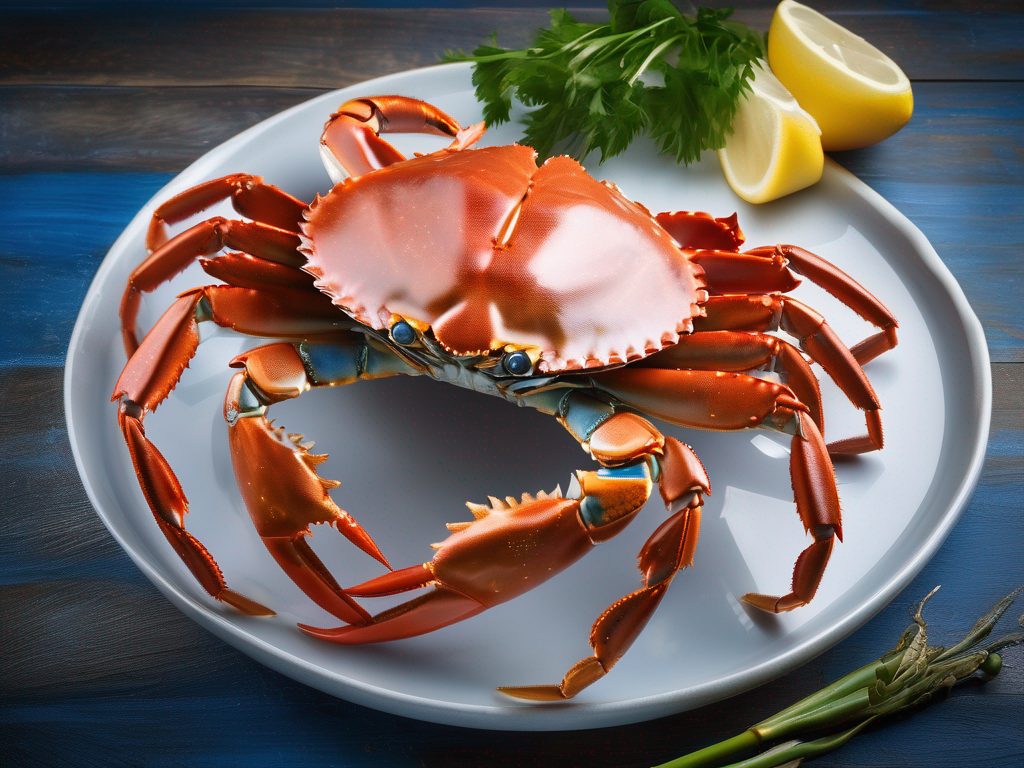
The Best Way to Store Blue Crab for Maximum Freshness
The Best Way to Store Blue Crab for Maximum Freshness
Blue crabs are a delicious and popular seafood delicacy enjoyed by many seafood lovers. Whether you caught them yourself or purchased them from a seafood market, proper storage is essential to maintain their freshness and flavor. In this comprehensive guide, we will discuss the best practices for storing blue crab to ensure maximum freshness and quality. (Blue crab)
Understanding Blue Crab Storage
Before diving into the storage methods, it's crucial to understand the nature of blue crabs and why proper storage is essential:
Why is Proper Storage Important?
Blue crabs are highly perishable seafood that can spoil quickly if not stored correctly. Storing them improperly can lead to a loss of freshness, flavor, and texture, making them less enjoyable to eat. By following the right storage methods, you can prolong the shelf life of blue crabs and maintain their quality.
Proper cooking temperatures are essential for food safety. An instant-read food thermometer (Amazon) helps ensure meat reaches safe internal temperatures and reduces the risk of foodborne illness.
Factors Affecting Blue Crab Freshness
Several factors can impact the freshness and quality of blue crabs, including:
- Temperature: Blue crabs are sensitive to temperature fluctuations and should be stored at the proper temperature to prevent spoilage.
- Moisture: Excess moisture can cause blue crabs to become waterlogged, affecting their texture and taste.
- Air Exposure: Exposure to air can lead to oxidation and spoilage of the crab meat.
- Bacterial Growth: Improper storage can promote bacterial growth, leading to foodborne illnesses.
Now that we understand the importance of proper storage let's explore the best ways to store blue crabs for maximum freshness.
Best Practices for Storing Blue Crab
Follow these tips to ensure your blue crabs stay fresh and delicious:
Refrigerator temperature fluctuations can accelerate spoilage and increase food safety risks. A refrigerator thermometer (Amazon) helps monitor consistent cold storage (40°F or below).
1. Live Blue Crabs
If you have live blue crabs, follow these steps to store them properly:
- Keep them alive: Blue crabs should be kept alive until you are ready to cook them for the freshest flavor.
- Store in a cool, humid environment: Place the live crabs in a cooler with a damp towel or newspaper to maintain humidity.
- Do not submerge in water: Avoid submerging the crabs in water as it can suffocate them.
2. Cooked Blue Crab
If you have cooked blue crab, follow these guidelines for proper storage:
- Refrigerate promptly: Cooked blue crab should be refrigerated within two hours of cooking to prevent bacterial growth.
- Store in an airtight container: Place the crab meat in an airtight container to prevent it from absorbing odors in the fridge.
- Use within 3-4 days: Cooked blue crab should be consumed within 3-4 days for the best quality.
3. Frozen Blue Crab
If you prefer to freeze blue crab for later use, here's how to do it correctly:
- Clean and prepare the crab: Remove the crab meat from the shell and clean it thoroughly before freezing.
- Use airtight packaging: Place the crab meat in airtight containers or freezer bags to prevent freezer burn.
- Label and date: Remember to label the containers with the date of freezing for easy tracking.
4. General Tips for Blue Crab Storage
Here are some additional tips to keep in mind when storing blue crabs:
- Avoid storing blue crabs with strong-smelling foods to prevent absorption of odors.
- Check for any signs of spoilage, such as off smells or slimy texture, before consuming.
- When in doubt, discard any blue crab that looks or smells suspicious to avoid foodborne illnesses.
Conclusion
Proper storage is vital for maintaining the freshness and quality of blue crab. By following the guidelines outlined in this guide, you can enjoy delicious blue crab dishes with confidence, knowing that your seafood is stored correctly. Whether you have live, cooked, or frozen blue crab, these storage tips will help you make the most of this delectable seafood. Remember, freshness is key when it comes to enjoying the best flavors of blue crab.
Next time you indulge in some blue crab, remember these storage tips to savor every bite of this delectable seafood!
[blue crab](/food/blue crab) (Blue crab)
Authoritative Food Safety References
These agencies and university labs inform every tip and health precaution we publish.
USDA FoodKeeper – Cold Storage Guidelines
Official refrigerator, freezer, and pantry timelines maintained by the U.S. Department of Agriculture.
Visit USDA FoodKeeperFDA Produce Safety Rule & Grower Guidance
Field-to-fridge handling practices that prevent contamination of fruits, vegetables, and leafy greens.
Visit FDA Produce SafetyCDC Foodborne Illness Prevention Hub
Surveillance-backed guidance on pathogens, symptoms, and steps to reduce foodborne illness risk.
Visit CDC Food SafetyUC Davis Postharvest Technology Center
University research detailing optimal storage atmospheres for produce after harvest.
Visit UC Davis PostharvestPenn State Extension – Home Food Preservation & Safety
Peer-reviewed extension bulletins on safe canning, chilling, and reheating practices.
Visit Penn State ExtensionFrequently Asked Questions
How long can I store blue crab in the refrigerator?
Can I freeze blue crab for later use?
What is the best way to thaw frozen blue crab?
How can I tell if blue crab has gone bad?
Can I store cooked blue crab differently than raw crab?
Citations
Disclosure: As an Amazon Associate, we earn from qualifying purchases. This helps support our site and allows us to continue providing free food safety information.