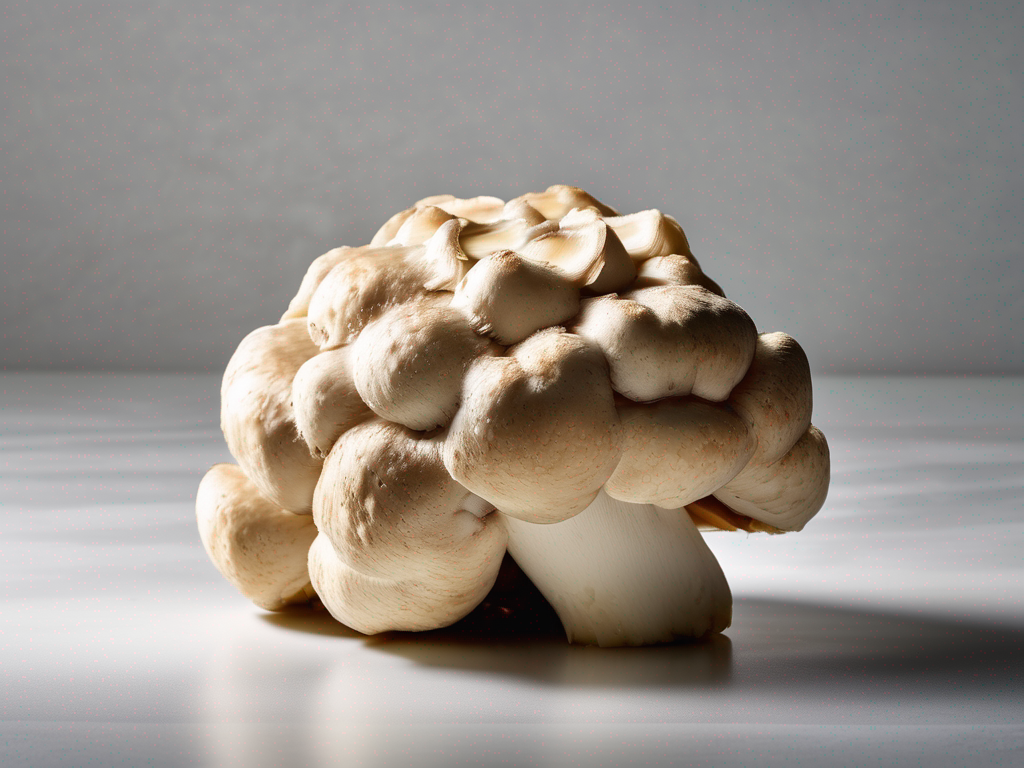
Preserving Matsutake Mushroom for Extended Freshness
Preserving Matsutake Mushroom for Extended Freshness
Matsutake mushrooms, also known as "pine mushrooms," are prized for their unique flavor and aroma. These mushrooms are highly sought after in culinary circles for their rich, earthy taste and are a delicacy in many Asian cuisines. To fully enjoy the flavor and freshness of Matsutake mushrooms, proper preservation techniques are essential. In this blog post, we will explore the best ways to preserve Matsutake mushrooms to extend their freshness and shelf life. (Matsutake mushroom)
Understanding Matsutake Mushrooms
Matsutake mushrooms are known for their distinct spicy and pine aroma, making them a favorite among mushroom enthusiasts. These mushrooms are typically harvested in the fall and are highly prized for their culinary uses. Matsutake mushrooms have a firm texture and a nutty, earthy flavor that pairs well with a variety of dishes.
Characteristics of Matsutake Mushrooms
- Distinct spicy and pine aroma
- Firm texture
- Nutty, earthy flavor
Tips for Preserving Matsutake Mushrooms
Preserving Matsutake mushrooms requires proper handling and storage techniques to maintain their freshness and flavor. Here are some tips to help you preserve Matsutake mushrooms for extended freshness:
1. Clean and Trim
- Start by cleaning the Matsutake mushrooms to remove any dirt or debris.
- Trim the stems and any discolored or damaged parts of the mushrooms.
2. Proper Storage
- Store Matsutake mushrooms in a paper bag or a breathable container to prevent moisture buildup.
- Avoid storing Matsutake mushrooms in plastic bags, as they can cause the mushrooms to become slimy.
3. Refrigeration
- Place the cleaned and trimmed Matsutake mushrooms in the refrigerator.
- Store them in the crisper drawer or a cool, dry place in the refrigerator.
4. Freezing Matsutake Mushrooms
- To freeze Matsutake mushrooms, first blanch them in boiling water for a few minutes.
- Once blanched, cool the mushrooms in an ice bath before patting them dry.
- Place the mushrooms in a freezer-safe container or bag, removing as much air as possible before sealing.
5. Drying Matsutake Mushrooms
- Drying Matsutake mushrooms is a popular preservation method that intensifies their flavor.
- Slice the mushrooms thinly and dry them in a dehydrator or oven at a low temperature.
- Store the dried Matsutake mushrooms in an airtight container in a cool, dark place.
Safety Tips for Preserving Matsutake Mushrooms
When preserving Matsutake mushrooms, it is important to follow safety guidelines to prevent contamination and spoilage. Here are some safety tips to keep in mind:
- Always wash your hands before handling Matsutake mushrooms to prevent the spread of bacteria.
- Use clean utensils and cutting boards when cleaning and trimming the mushrooms.
- Check the mushrooms for any signs of mold or spoilage before preserving them.
Conclusion
Preserving Matsutake mushrooms can help you enjoy their unique flavor and aroma for an extended period. By following proper cleaning, trimming, and storage techniques, you can ensure that your Matsutake mushrooms stay fresh and flavorful. Whether you choose to refrigerate, freeze, or dry the mushrooms, these preservation methods will help you savor the taste of Matsutake mushrooms throughout the year. Experiment with different preservation techniques to find the method that best suits your culinary preferences and enjoy the rich flavors of Matsutake mushrooms in your favorite dishes. (Matsutake mushroom)
Authoritative Food Safety References
These agencies and university labs inform every tip and health precaution we publish.
USDA FoodKeeper – Cold Storage Guidelines
Official refrigerator, freezer, and pantry timelines maintained by the U.S. Department of Agriculture.
Visit USDA FoodKeeperFDA Produce Safety Rule & Grower Guidance
Field-to-fridge handling practices that prevent contamination of fruits, vegetables, and leafy greens.
Visit FDA Produce SafetyCDC Foodborne Illness Prevention Hub
Surveillance-backed guidance on pathogens, symptoms, and steps to reduce foodborne illness risk.
Visit CDC Food SafetyUC Davis Postharvest Technology Center
University research detailing optimal storage atmospheres for produce after harvest.
Visit UC Davis PostharvestPenn State Extension – Home Food Preservation & Safety
Peer-reviewed extension bulletins on safe canning, chilling, and reheating practices.
Visit Penn State Extension