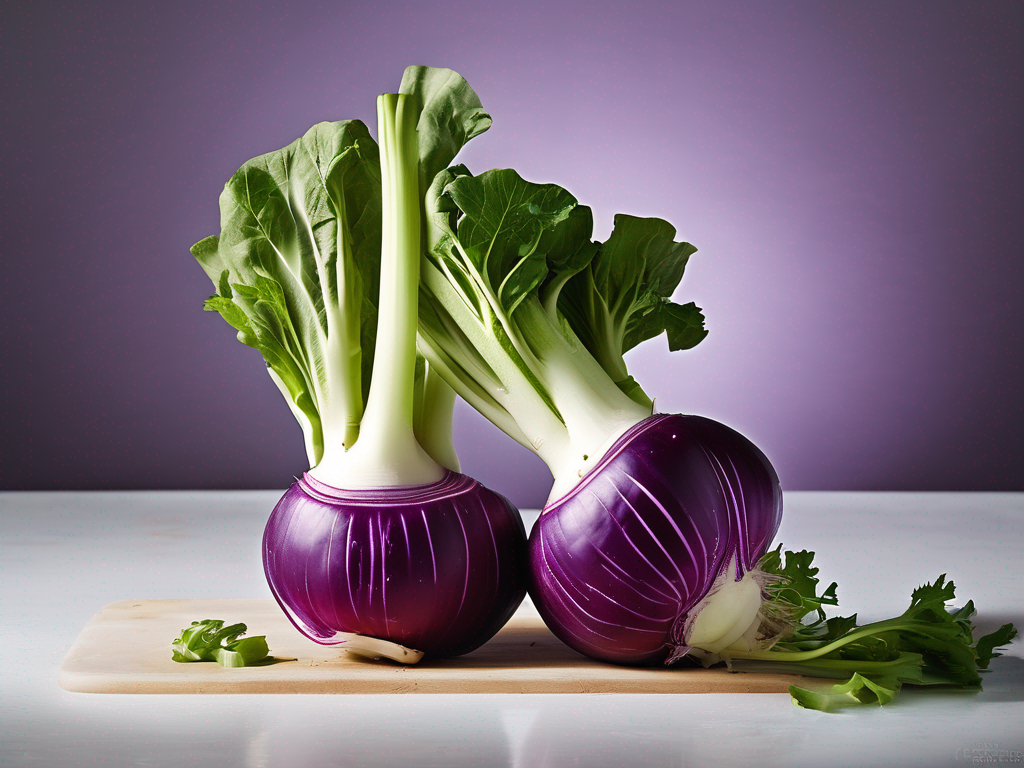
Preserving Kohlrabi for Long-Term Storage: Best Practices and Tips
Preserving Kohlrabi for Long-Term Storage: Best Practices and Tips
Kohlrabi is a versatile and nutritious vegetable that belongs to the cabbage family. It has a mild, sweet flavor and can be enjoyed raw or cooked in various dishes. If you have a surplus of kohlrabi from your garden or a recent purchase and want to extend its shelf life, proper storage is key. In this guide, we will discuss the best ways to preserve kohlrabi for long-term storage to ensure it stays fresh and flavorful for an extended period. (Kohlrabi)
Understanding Kohlrabi Storage Needs
Before diving into the preservation methods, it's essential to understand the storage needs of kohlrabi. Proper storage conditions can help retain its quality and nutritional value for an extended period. Here are some key factors to consider when storing kohlrabi:
Factors Affecting Kohlrabi Storage:
- Temperature: Kohlrabi prefers cool temperatures for storage.
- Humidity: It requires high humidity to prevent wilting.
- Air Circulation: Good air circulation can prevent moisture buildup and prolong freshness.
- Light: Kohlrabi should be stored away from direct sunlight to prevent sprouting and loss of nutrients.
Best Ways to Preserve Kohlrabi for Long-Term Storage
1. Refrigeration
Refrigeration is one of the most common methods for preserving kohlrabi and extending its shelf life. Follow these steps for optimal refrigeration:
Proper airflow and humidity control can significantly extend produce freshness. Many households use produce storage containers (Amazon) in the refrigerator to regulate moisture and slow spoilage.
- Trimming: Remove the leaves and stems from the kohlrabi bulb.
- Storage: Place the trimmed kohlrabi bulbs in a perforated plastic bag or vegetable crisper drawer.
- Temperature: Store kohlrabi at a temperature between 32-35°F (0-2°C).
- Humidity: Maintain high humidity levels in the refrigerator by using a damp paper towel or cloth.
2. Freezing
Freezing is another effective way to preserve kohlrabi for long-term storage. Here's how to freeze kohlrabi:
- Blanching: Blanch the kohlrabi by boiling them briefly and then plunging them into ice water.
- Slicing: Cut the blanched kohlrabi into slices or cubes.
- Packaging: Place the sliced kohlrabi in airtight containers or freezer bags, removing excess air.
- Freezing: Label the containers and store them in the freezer at 0°F (-18°C) or below.
3. Pickling
Pickling is a great way to add flavor to kohlrabi while preserving it for an extended period. Follow these steps to pickle kohlrabi:
- Preparation: Peel and slice the kohlrabi into desired shapes.
- Brine: Prepare a brine solution using vinegar, water, salt, and spices.
- Packing: Pack the kohlrabi slices into sterilized jars and pour the brine over them.
- Sealing: Seal the jars tightly and store them in a cool, dark place or the refrigerator.
4. Root Cellar Storage
If you have access to a root cellar or a cool, dark basement, you can store kohlrabi using this traditional method:
- Preparation: Clean the kohlrabi bulbs and remove any attached soil.
- Storage: Place the kohlrabi in a wooden crate or a perforated plastic bag.
- Temperature: Maintain a temperature between 32-40°F (0-4°C) with high humidity levels.
- Monitoring: Check the kohlrabi regularly for any signs of spoilage or sprouting.
Safety Precautions and Tips for Kohlrabi Storage
- Inspect: Always inspect kohlrabi for any signs of damage or spoilage before storing.
- Separation: Store kohlrabi away from ethylene-producing fruits and vegetables to prevent premature ripening.
- Labeling: Label all storage containers with the date of storage to track freshness.
- Rotation: Use the oldest kohlrabi first to prevent waste and ensure freshness.
- Quality: Choose firm, unblemished kohlrabi for storage to ensure better preservation.
Conclusion
By following the proper storage methods and safety tips outlined in this guide, you can enjoy fresh and flavorful kohlrabi for an extended period. Whether you choose to refrigerate, freeze, pickle, or use a root cellar for storage, maintaining ideal conditions is crucial for preserving the quality of this nutritious vegetable. Experiment with different preservation methods to find the one that suits your preferences and usage. Enjoy the versatility of kohlrabi in your culinary creations while making the most of its extended shelf life. Learn more about kohlrabi here and start preserving this delicious vegetable today! (Kohlrabi)
Authoritative Food Safety References
These agencies and university labs inform every tip and health precaution we publish.
USDA FoodKeeper – Cold Storage Guidelines
Official refrigerator, freezer, and pantry timelines maintained by the U.S. Department of Agriculture.
Visit USDA FoodKeeperFDA Produce Safety Rule & Grower Guidance
Field-to-fridge handling practices that prevent contamination of fruits, vegetables, and leafy greens.
Visit FDA Produce SafetyCDC Foodborne Illness Prevention Hub
Surveillance-backed guidance on pathogens, symptoms, and steps to reduce foodborne illness risk.
Visit CDC Food SafetyUC Davis Postharvest Technology Center
University research detailing optimal storage atmospheres for produce after harvest.
Visit UC Davis PostharvestPenn State Extension – Home Food Preservation & Safety
Peer-reviewed extension bulletins on safe canning, chilling, and reheating practices.
Visit Penn State ExtensionDisclosure: As an Amazon Associate, we earn from qualifying purchases. This helps support our site and allows us to continue providing free food safety information.