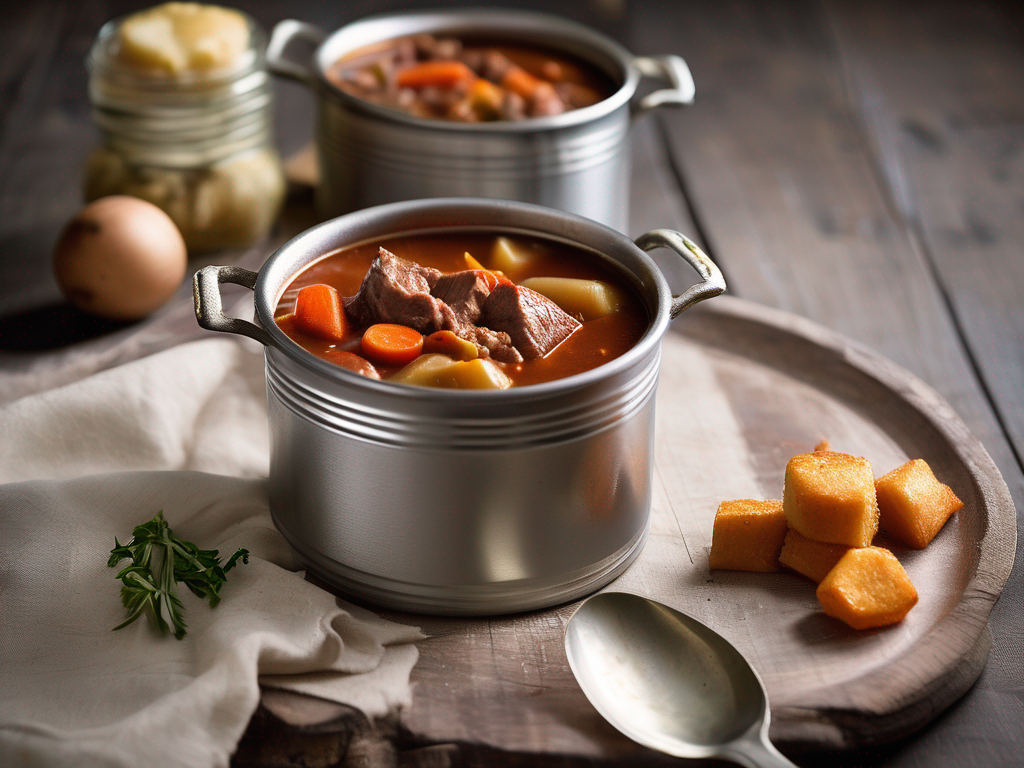
Preserving Canned Beef Stew for Long-Term Storage: Best Practices and Safety Tips
Preserving Canned Beef Stew for Long-Term Storage: Best Practices and Safety Tips
Canned beef stew is a convenient and delicious option for quick meals, camping trips, and emergency food supplies. However, proper storage is crucial to maintain its quality and safety over an extended period. In this blog post, we will explore the best ways to preserve canned beef stew for long-term storage, including practical tips and safety information. (Canned beef stew)
Understanding Canned Beef Stew
Canned beef stew is a pre-cooked and preserved food product that typically contains beef, vegetables, and seasonings in a savory gravy or broth. The canning process involves sealing the stew in airtight containers to prevent spoilage and contamination. It is important to note that canned foods have a finite shelf life, and proper storage practices are essential to ensure their safety and quality.
Key Points to Remember:
- Check the expiration date on the can before purchasing or storing canned beef stew.
- Inspect the can for any signs of damage, such as dents, rust, or bulging lids, which may indicate spoilage or compromised seal.
Best Practices for Long-Term Storage
Proper storage conditions can help extend the shelf life of canned beef stew and maintain its flavor and nutritional value. Here are some best practices to consider:
Proper cooking temperatures are essential for food safety. An instant-read food thermometer (Amazon) helps ensure meat reaches safe internal temperatures and reduces the risk of foodborne illness.
1. Store in a Cool, Dark Place
- Keep canned beef stew in a cool, dry pantry away from direct sunlight and heat sources.
- Avoid storing cans near appliances that generate heat, such as ovens or stoves.
2. Rotate Your Stock
- Practice first-in, first-out (FIFO) rotation to ensure that older cans are used before newer ones.
- Regularly check the expiration dates and consume older cans to maintain freshness.
3. Use Proper Shelving
- Store canned beef stew on sturdy shelves or racks to prevent damage and ensure proper air circulation.
- Avoid stacking cans too high to prevent crushing or denting.
4. Consider Temperature and Humidity
- Maintain a consistent temperature between 50-70°F (10-21°C) for optimal storage conditions.
- Avoid storing cans in areas with high humidity, as it can lead to rust or corrosion.
5. Label and Organize
- Label cans with purchase or expiration dates for easy identification.
- Organize your pantry shelves to keep canned beef stew visible and accessible.
Safety Precautions to Follow
Ensuring the safety of canned beef stew involves proper handling, storage, and consumption practices. Here are some safety precautions to keep in mind:
1. Avoid Consuming Damaged Cans
- Do not consume canned beef stew if the can shows signs of damage, such as leaks, bulging, or foul odors.
- When in doubt, throw it out to prevent foodborne illnesses.
2. Practice Good Hygiene
- Wash your hands before handling canned food to prevent contamination.
- Use clean utensils and surfaces when opening and serving canned beef stew.
3. Follow Storage Guidelines
- Adhere to the recommended storage conditions and shelf life of canned beef stew.
- Do not store opened cans in the refrigerator for an extended period; transfer leftovers to airtight containers.
4. Monitor Storage Conditions
- Regularly inspect your pantry for any signs of pests, leaks, or temperature fluctuations.
- Discard any cans that show signs of spoilage or damage immediately.
Conclusion
Preserving canned beef stew for long-term storage requires attention to detail, proper storage practices, and adherence to safety guidelines. By following the tips outlined in this blog post, you can enjoy the convenience and flavor of canned beef stew while ensuring its quality and safety over time. Remember to check expiration dates, store cans in suitable conditions, and prioritize food safety in your storage routines. [Canned beef stew](/food/canned beef stew) can be a valuable addition to your pantry when stored correctly, offering a convenient and tasty meal option whenever you need it. (Canned beef stew)
Authoritative Food Safety References
These agencies and university labs inform every tip and health precaution we publish.
USDA FoodKeeper – Cold Storage Guidelines
Official refrigerator, freezer, and pantry timelines maintained by the U.S. Department of Agriculture.
Visit USDA FoodKeeperFDA Produce Safety Rule & Grower Guidance
Field-to-fridge handling practices that prevent contamination of fruits, vegetables, and leafy greens.
Visit FDA Produce SafetyCDC Foodborne Illness Prevention Hub
Surveillance-backed guidance on pathogens, symptoms, and steps to reduce foodborne illness risk.
Visit CDC Food SafetyUC Davis Postharvest Technology Center
University research detailing optimal storage atmospheres for produce after harvest.
Visit UC Davis PostharvestPenn State Extension – Home Food Preservation & Safety
Peer-reviewed extension bulletins on safe canning, chilling, and reheating practices.
Visit Penn State ExtensionDisclosure: As an Amazon Associate, we earn from qualifying purchases. This helps support our site and allows us to continue providing free food safety information.