The risks and considerations of Consuming Expired Common Oregano
The risks and considerations of Consuming Expired Common Oregano
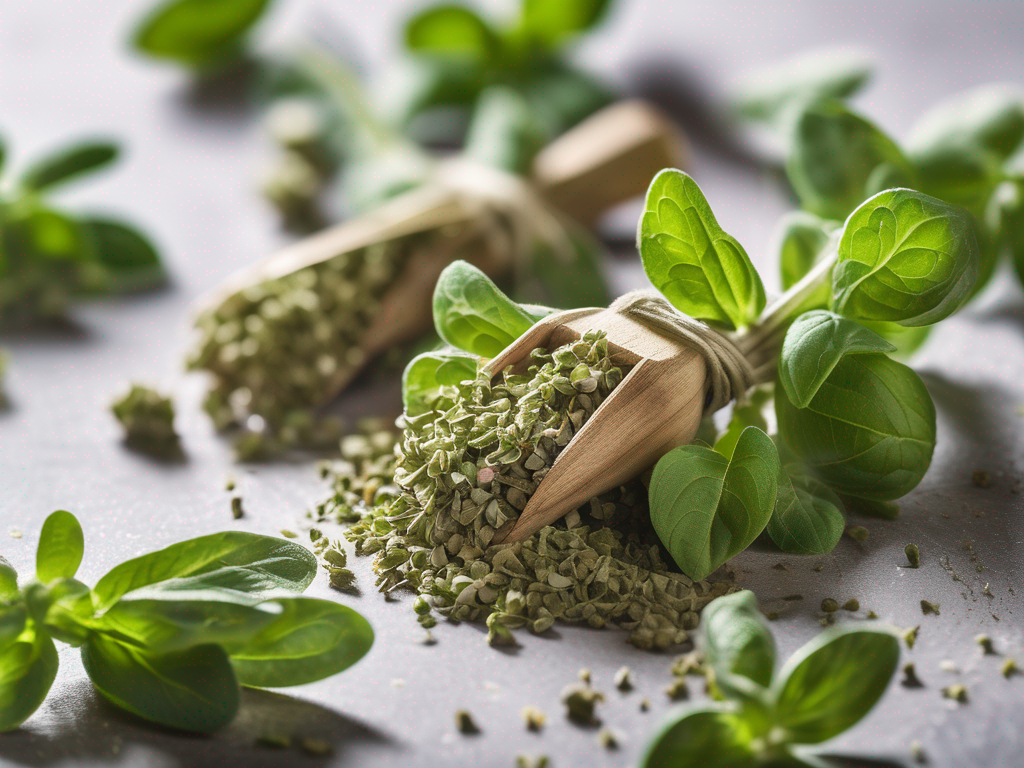
Introduction: Common oregano, scientifically known as Origanum vulgare, is a popular herb used in various cuisines for its aromatic flavor and potential nutritional quality. Whether dried or fresh, oregano is a staple ingredient in many kitchens. However, like all food items, oregano also comes with an expiration date. In this blog post, we will explore what happens if you consume common oregano past its expiration date and the potential risks associated with it. (Common oregano)
Understanding Common Oregano Expiration Dates
What do expiration dates mean for common oregano?
- The expiration date on a package of common oregano indicates the recommended period for optimal quality and flavor.
- After the expiration date, the quality of the oregano may deteriorate, leading to potential changes in flavor, aroma, and potency.
Factors influencing oregano expiration:
- Exposure to light, heat, and moisture can accelerate the degradation of oregano.
- Improper storage conditions can shorten the shelf life of oregano.
- Quality of the packaging material can also impact the longevity of oregano.
Risks of Consuming Expired Common Oregano
Potential risks associated with consuming expired oregano:
-
Loss of Flavor and Aroma:
- Expired oregano may lose its characteristic flavor and aroma, impacting the overall taste of dishes.
-
Reduced Nutritional Value:
- Over time, the nutritional content of oregano may degrade, leading to a loss of essential vitamins and minerals.
-
Microbial Contamination:
- Expired oregano is susceptible to microbial contamination, including mold, yeast, and bacteria, which can pose health risks.
Health implications of consuming contaminated oregano:
- Foodborne Illnesses: Contaminated oregano can harbor pathogens that cause foodborne illnesses such as diarrhea, vomiting, and nausea.
- Allergic Reactions: Mold growth on expired oregano can trigger allergic reactions in sensitive individuals.
How to Safely Store Common Oregano
Best practices for storing common oregano to prolong its shelf life:
- Cool and Dry Environment: Store oregano in a cool, dry place away from direct sunlight and moisture.
- Airtight Containers: Transfer oregano to airtight containers to prevent exposure to air and humidity.
- Labeling and Rotation: Properly label containers with the purchase or expiration date and rotate stock to use older oregano first.
Tips for maximizing oregano freshness:
- Buy in Small Quantities: Purchase oregano in small quantities that you can use within a reasonable timeframe.
- Inspect Before Use: Check the color, aroma, and texture of oregano before using it to ensure freshness.
- Avoid Contamination: Use clean utensils to handle oregano and avoid cross-contamination with other ingredients.
Conclusion
In conclusion, consuming common oregano past its expiration date can pose risks to your health and compromise the quality of your dishes. It is essential to pay attention to expiration dates, storage conditions, and signs of deterioration to ensure the safety and freshness of your oregano. By following proper storage practices and being mindful of expiration dates, you can enjoy the flavor and benefits of oregano while minimizing potential health hazards. Remember, when in doubt, it's always safer to discard expired oregano and replace it with a fresh batch for optimal taste and safety. (Common oregano)
Authoritative Food Safety References
These agencies and university labs inform every tip and health precaution we publish.
USDA FoodKeeper – Cold Storage Guidelines
Official refrigerator, freezer, and pantry timelines maintained by the U.S. Department of Agriculture.
Visit USDA FoodKeeperFDA Produce Safety Rule & Grower Guidance
Field-to-fridge handling practices that prevent contamination of fruits, vegetables, and leafy greens.
Visit FDA Produce SafetyCDC Foodborne Illness Prevention Hub
Surveillance-backed guidance on pathogens, symptoms, and steps to reduce foodborne illness risk.
Visit CDC Food SafetyUC Davis Postharvest Technology Center
University research detailing optimal storage atmospheres for produce after harvest.
Visit UC Davis PostharvestPenn State Extension – Home Food Preservation & Safety
Peer-reviewed extension bulletins on safe canning, chilling, and reheating practices.
Visit Penn State Extension