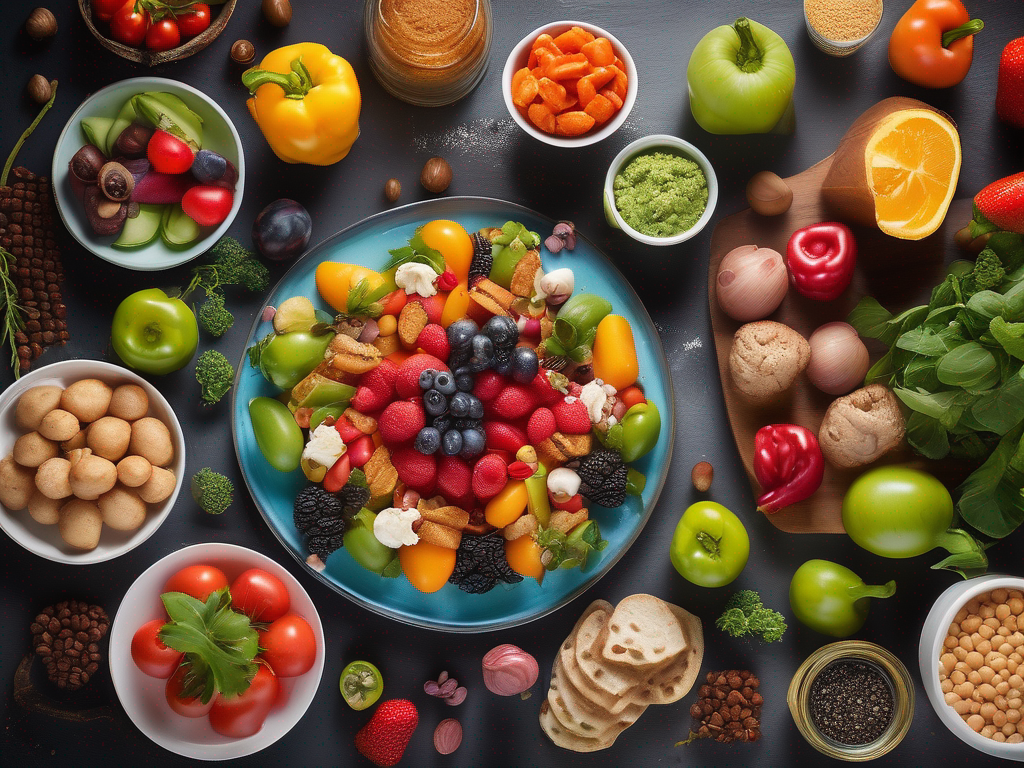
The Ultimate Guide to Refrigerating Fruits: What Fruits Should Not Be Refrigerated
CanIEatExpired.com Team
# The Ultimate Guide to Refrigerating Fruits: What Fruits Should Not Be Refrigerated

Are you storing your fruits in the refrigerator without considering whether it's the best option for each type of fruit? While refrigeration can help extend the shelf life of many fruits, some fruits actually fare better when stored at room temperature. In this comprehensive guide, we will delve into the world of fruit storage and highlight which fruits should not be refrigerated for optimal freshness and flavor.

## Why Some Fruits Should Not Be Refrigerated

Before we dive into the specific fruits that should not be refrigerated, let's understand why certain fruits are better off at room temperature:

- **Texture**: Refrigeration can alter the texture of some fruits, making them mushy or mealy.
- **Flavor**: Cold temperatures can dampen the flavor of certain fruits, affecting their taste.
- **Ripening**: Some fruits continue to ripen after being harvested, and refrigeration can slow down this process, leading to bland-tasting fruit.
- **Chilling Injury**: Certain fruits are sensitive to cold temperatures and may develop chilling injuries when stored in the refrigerator.

Now, let's explore the fruits that should not be refrigerated to maintain their optimal taste and texture.

## Bananas

Bananas are a popular fruit enjoyed for their natural sweetness and convenience. Here's why you should keep your bananas out of the refrigerator:

### Why Bananas Should Not Be Refrigerated

- **Texture**: Refrigeration can cause the peel of bananas to darken, but the fruit inside will remain unaffected.
- **Flavor**: Cold temperatures can slow down the ripening process of bananas, affecting their taste and texture.

### Storage Tips

- **Room Temperature**: Store bananas at room temperature on the counter or in a fruit bowl.
- **Separate**: To prevent bananas from ripening too quickly, keep them separated from other fruits.

## Avocados

Avocados are a versatile fruit known for their creamy texture and healthy fats. Here's why refrigerating avocados may not be the best idea:

### Why Avocados Should Not Be Refrigerated

- **Ripening**: Avocados need to ripen at room temperature. Refrigeration can delay this process.
- **Texture**: Cold temperatures can cause avocados to become rubbery and unappetizing.

### Storage Tips

- **Ripen First**: Allow avocados to ripen at room temperature before transferring them to the refrigerator.
- **Use Quickly**: Once ripe, store avocados in the refrigerator and use them within a few days.

## Tomatoes

Tomatoes are a staple ingredient in many cuisines, prized for their juicy texture and vibrant flavor. Here's why refrigerating tomatoes can affect their taste:

### Why Tomatoes Should Not Be Refrigerated

- **Flavor**: Cold temperatures can diminish the flavor of tomatoes, making them taste bland.
- **Texture**: Refrigeration can cause tomatoes to become mealy and lose their juiciness.

### Storage Tips

- **Room Temperature**: Store ripe tomatoes on the counter away from direct sunlight.
- **Use Quickly**: Use tomatoes within a few days for the best flavor and texture.

## Citrus Fruits

Citrus fruits like oranges, lemons, and limes add a zesty kick to dishes and beverages. Here's why refrigerating citrus fruits may not be necessary:

### Why Citrus Fruits Should Not Be Refrigerated

- **Texture**: Cold temperatures can cause citrus fruits to become dry and lose their juiciness.
- **Flavor**: Citrus fruits can lose their flavor when stored in the refrigerator for extended periods.

### Storage Tips

- **Room Temperature**: Store citrus fruits in a cool, dry place away from direct sunlight.
- **Refrigerate Cut Citrus**: Once cut, store citrus fruits in the refrigerator to maintain freshness.

## common situation

- **The Banana Dilemma**: Sarah was excited to make banana bread, so she bought a bunch of bananas and tossed them in the fridge. A few days later, she found mushy, dark bananas that didn't smell like the fresh fruit she expected. A quick chat with a friend revealed that bananas should never go in the fridge. Now, she stores them on the counter and enjoys perfectly ripe bananas every time.

- **Avocado Timing**: Mark, a busy dad, often forgot about the avocados he bought. He'd put them in the fridge, thinking it would keep them fresh longer. Unfortunately, his family often ended up with hard avocados that never ripened. After learning the proper storage method, Mark now keeps avocados on the counter until they're ready to eat, and they never go to waste.

- **Tomato Taste Test**: Julia swore by her delicious homemade tomato sauce until she learned that she was storing her fresh tomatoes in the fridge. After a friend pointed this out, she decided to leave them on her countertop. The next batch of sauce blew everyone away with its richer flavor, and she never looked back.

## Scientific Context

Understanding the science behind fruit storage helps us make informed decisions. Many fruits are climacteric, meaning they continue to ripen after being harvested. Ethylene gas, a natural plant hormone, plays a significant role in this process. When certain fruits are stored in a refrigerator, the production of ethylene is inhibited, leading to incomplete ripening and the loss of flavor.

For example, bananas produce a significant amount of ethylene gas, which not only helps them ripen but also affects nearby fruits. Storing them together may hasten the ripening process of other fruits, which is something to consider if you're trying to manage the ripening of a mixed fruit bowl.

On the flip side, fruits like strawberries and raspberries are non-climacteric, meaning they don’t continue to ripen significantly after being picked. These fruits do benefit from refrigeration, but they should also be consumed relatively quickly as they can spoil rapidly.

## Practical Tips for Storing Fruits

1. **Check for Ripeness**: Before storing, check the fruit for signs of ripeness. Fruits that are already ripe should be consumed within a few days.
2. **Use Breathable Bags**: For fruits that need ventilation, consider using perforated bags or mesh produce bags to allow air circulation while keeping them in a cool area of your kitchen.
3. **Keep Away from Sunlight**: Direct sunlight can speed up spoilage, so opt for a shaded area for your fruit storage.
4. **Monitor Humidity**: Certain fruits thrive in moderate humidity. A slightly humid environment can help maintain their freshness, while too much moisture can lead to mold.
5. **Wash Just Before Use**: Always wash fruits just before consuming or cooking, as moisture can lead to spoilage if they are stored wet.

## Common Mistakes

Many people mistakenly believe that all fruits need to be refrigerated to stay fresh. This misconception can lead to wasted produce and disappointment when the fruit doesn't taste as good as it should. Here are a few common mistakes:

- **Refrigerating Stone Fruits**: Peaches, plums, and cherries are often stored in the fridge, but like many other fruits, they actually do better at room temperature until fully ripened.
- **Ignoring the Ethylene Effect**: Not considering the effects of ethylene gas when storing fruits can lead to unintentional rapid ripening or spoilage.
- **Overcrowding**: Storing too many fruits together can restrict airflow and increase humidity, leading to quicker spoilage.

## Expert Insights

Food safety experts recommend keeping a close eye on ethylene-sensitive fruits and storing them appropriately. They also suggest having a clear understanding of the ripening stages of fruits like pears and mangoes, which should be ripened at room temperature and can be refrigerated once they are ripe.

Additionally, if you're ever in doubt about how to store a specific fruit, don't hesitate to consult resources like the USDA's Food Safety and Inspection Service or your local extension office for tailored advice.

## Conclusion

In conclusion, while refrigeration is essential for preserving the freshness of many fruits, some fruits are best kept at room temperature to maintain their optimal taste and texture. By understanding which fruits should not be refrigerated and following proper storage tips, you can enjoy delicious, flavorful fruits at their peak. Remember to consider the unique characteristics of each fruit when deciding how to store them and make the most of nature's bounty!

Next time you reach for a banana or an avocado, think twice before popping them in the fridge. Your taste buds will thank you for it!
Authoritative Food Safety References
These agencies and university labs inform every tip and health precaution we publish.
USDAOfficial guidance
USDA FoodKeeper – Cold Storage Guidelines
Official refrigerator, freezer, and pantry timelines maintained by the U.S. Department of Agriculture.
Visit USDA FoodKeeperFDAOfficial guidance
FDA Produce Safety Rule & Grower Guidance
Field-to-fridge handling practices that prevent contamination of fruits, vegetables, and leafy greens.
Visit FDA Produce SafetyCDCOfficial guidance
CDC Foodborne Illness Prevention Hub
Surveillance-backed guidance on pathogens, symptoms, and steps to reduce foodborne illness risk.
Visit CDC Food SafetyResearchUniversity research
UC Davis Postharvest Technology Center
University research detailing optimal storage atmospheres for produce after harvest.
Visit UC Davis PostharvestResearchUniversity research
Penn State Extension – Home Food Preservation & Safety
Peer-reviewed extension bulletins on safe canning, chilling, and reheating practices.
Visit Penn State ExtensionDisclosure: As an Amazon Associate, we earn from qualifying purchases. This helps support our site and allows us to continue providing free food safety information.
Our articles are created using a combination of AI assistance and human review. All food safety information is based on USDA guidelines and credible sources. Learn more about our review process here.