Signs that Preserved Radish Takuan has Gone Bad
Signs that Preserved Radish Takuan has Gone Bad
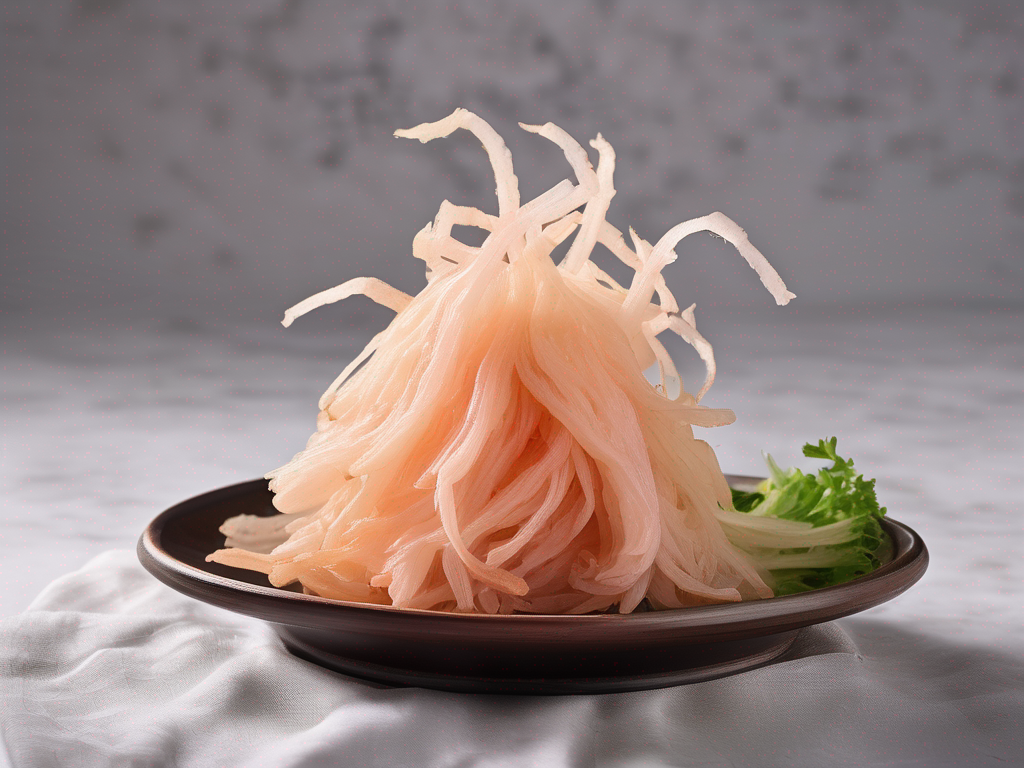
Preserved radish takuan is a popular and delicious ingredient in many Asian dishes. However, like any other food, it can go bad if not stored properly or past its expiration date. In this blog post, we will discuss the signs that preserved radish takuan has gone bad and should be thrown out. (Preserved radish takuan)
Understanding Preserved Radish Takuan
Before we delve into the signs of spoilage, let's understand what preserved radish takuan is. Preserved radish takuan is a type of pickled radish that is commonly used in Japanese, Chinese, and Korean cuisines. It is made by fermenting daikon radish with salt and other seasonings, giving it a tangy and slightly sweet flavor.
Preserved radish takuan is typically stored in a brine solution to maintain its freshness and flavor. It has a long shelf life when stored properly, but like any other pickled food, it can spoil if exposed to air, heat, or moisture.
Signs that Preserved Radish Takuan has Gone Bad
When preserved radish takuan goes bad, it can pose a health risk if consumed. Here are the signs that indicate your preserved radish takuan has spoiled and should be discarded:
1. Foul Odor
- Rancid Smell: If the preserved radish takuan emits a foul or rancid odor, it is a clear indication that it has gone bad. The smell may be acidic, musty, or moldy, signaling bacterial growth and spoilage.
2. Mold Growth
- Visible Mold: Mold growth on the surface of the preserved radish takuan is a definite sign of spoilage. Mold can appear as fuzzy patches or spots of different colors, such as green, white, or black. Consuming moldy food can lead to food poisoning and other health issues.
3. Changes in Texture
- Slimy or Mushy Texture: If the preserved radish takuan feels slimy, mushy, or overly soft to the touch, it has likely spoiled. Changes in texture indicate bacterial contamination and enzymatic breakdown, making the food unsafe to eat.
4. Off-Color
- Discoloration: Any significant changes in the color of the preserved radish takuan, such as darkening or unusual discoloration, suggest spoilage. Fresh preserved radish takuan should retain its original color and appearance.
5. Unpleasant Taste
- Off Flavor: If the preserved radish takuan tastes sour, bitter, or off-putting compared to its usual flavor profile, it is a strong indicator that it has gone bad. Do not ignore any unusual taste when consuming preserved foods.
Tips for Preserving and Storing Preserved Radish Takuan
To prevent your preserved radish takuan from spoiling prematurely, follow these tips for proper preservation and storage:
-
Keep it refrigerated: Store your preserved radish takuan in the refrigerator at all times to maintain its freshness and flavor. The cold temperature helps slow down bacterial growth and extends its shelf life.
-
Use a clean, airtight container: Transfer the preserved radish takuan to a clean, airtight container before storing it in the refrigerator. Make sure the container is sealed properly to prevent air exposure and contamination.
-
Check the expiration date: Always check the expiration date on the packaging of your preserved radish takuan. Consuming expired food can increase the risk of foodborne illnesses.
-
Avoid cross-contamination: Use clean utensils and hands when handling preserved radish takuan to prevent cross-contamination with harmful bacteria.
-
Inspect before consumption: Before using preserved radish takuan in your dishes, inspect it for any signs of spoilage, such as odor, mold, texture, color, or taste.
Conclusion
Preserved radish takuan is a versatile and flavorful ingredient that adds a unique taste to various dishes. However, it is essential to be vigilant about its signs of spoilage to ensure food safety and prevent foodborne illnesses. By understanding the signs that indicate preserved radish takuan has gone bad and following proper storage practices, you can enjoy this delicious pickled radish safely. Remember, when in doubt, it's always better to err on the side of caution and discard any questionable preserved radish takuan. (Preserved radish takuan)
Authoritative Food Safety References
These agencies and university labs inform every tip and health precaution we publish.
USDA FoodKeeper – Cold Storage Guidelines
Official refrigerator, freezer, and pantry timelines maintained by the U.S. Department of Agriculture.
Visit USDA FoodKeeperFDA Produce Safety Rule & Grower Guidance
Field-to-fridge handling practices that prevent contamination of fruits, vegetables, and leafy greens.
Visit FDA Produce SafetyCDC Foodborne Illness Prevention Hub
Surveillance-backed guidance on pathogens, symptoms, and steps to reduce foodborne illness risk.
Visit CDC Food SafetyUC Davis Postharvest Technology Center
University research detailing optimal storage atmospheres for produce after harvest.
Visit UC Davis PostharvestPenn State Extension – Home Food Preservation & Safety
Peer-reviewed extension bulletins on safe canning, chilling, and reheating practices.
Visit Penn State Extension