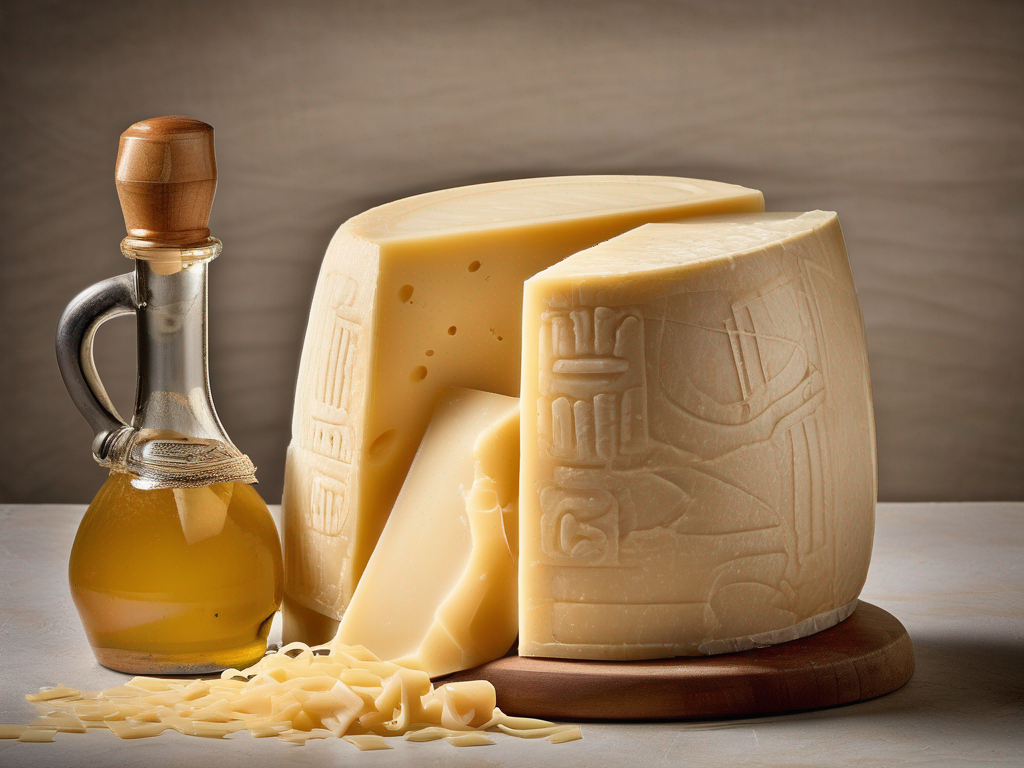
Signs that Parmigiano Reggiano DOP has Gone Bad
Signs that Parmigiano Reggiano DOP has Gone Bad
Parmigiano Reggiano DOP, also known as the "King of Cheeses," is a beloved Italian cheese with a rich, nutty flavor and a crumbly texture. However, like all dairy products, Parmigiano Reggiano can go bad if not stored and handled properly. In this blog post, we will discuss the signs that indicate your Parmigiano Reggiano DOP may have gone bad and provide tips on how to ensure its freshness and safety. (Parmigiano reggiano dop)
Understanding Parmigiano Reggiano DOP
Before we delve into the signs of spoilage, let's briefly understand what makes Parmigiano Reggiano DOP unique. Parmigiano Reggiano DOP is a protected designation of origin cheese, meaning it is produced using traditional methods in a specific region of Italy. It is aged for a minimum of 12 months, with some varieties aged for up to 36 months or more, resulting in its distinctive flavor profile.
How to Store Parmigiano Reggiano DOP
Proper storage is crucial in maintaining the quality and safety of Parmigiano Reggiano DOP. Follow these guidelines to ensure its longevity:
Dairy products require consistent cold storage to prevent spoilage and bacterial growth. A refrigerator thermometer (Amazon) helps ensure your refrigerator maintains safe temperatures (40°F or below).
Storage Tips:
- Wrap it Right: Store Parmigiano Reggiano DOP in wax paper or parchment paper, followed by a layer of aluminum foil to prevent it from drying out.
- Keep it Cool: Store the cheese in the refrigerator at a temperature of around 4-8°C (39-46°F).
- Avoid Moisture: Store the cheese away from moisture and humidity to prevent mold growth.
- Air Circulation: Allow air to circulate around the cheese to prevent it from becoming too moist.
Signs of Spoilage in Parmigiano Reggiano DOP
Even with proper storage, Parmigiano Reggiano DOP can still spoil over time. Here are the signs to look out for:
Visual Signs:
- Mold Growth: While some molds on hard cheeses are safe to consume, excessive mold growth on Parmigiano Reggiano DOP indicates spoilage.
- Discoloration: Any unusual discoloration, such as dark spots or a slimy texture, is a sign that the cheese has gone bad.
- Cracks and Dryness: Excessive dryness or cracks on the surface of the cheese indicate loss of moisture and potential spoilage.
Smell and Taste:
- Off Odor: If the cheese emits a sour, ammonia-like smell, it is a clear indicator of spoilage.
- Off Flavor: Spoiled Parmigiano Reggiano DOP will have a bitter, rancid taste, unlike its usual nutty and savory flavor.
Safety Precautions
If you suspect that your Parmigiano Reggiano DOP has gone bad, it is essential to take the following safety precautions:
- Do Not Consume: Avoid consuming cheese that shows signs of spoilage to prevent foodborne illness.
- Dispose Properly: Wrap the spoiled cheese in a plastic bag before discarding it to contain any potential odors.
- Clean and Sanitize: Clean the storage container or refrigerator shelf where the cheese was stored to prevent cross-contamination.
Conclusion
In conclusion, Parmigiano Reggiano DOP is a delightful cheese that can enhance a variety of dishes, but it is essential to be vigilant about signs of spoilage to ensure food safety. By following proper storage practices and being aware of the signs of spoilage, you can enjoy your Parmigiano Reggiano DOP at its best. Remember, when in doubt, it's always better to err on the side of caution and discard cheese that may have gone bad. (Parmigiano reggiano dop)
After opening, transferring dairy into an airtight container (Amazon) can reduce odor absorption, limit moisture exposure, and help slow bacterial growth.
Authoritative Food Safety References
These agencies and university labs inform every tip and health precaution we publish.
USDA FoodKeeper – Cold Storage Guidelines
Official refrigerator, freezer, and pantry timelines maintained by the U.S. Department of Agriculture.
Visit USDA FoodKeeperFDA Produce Safety Rule & Grower Guidance
Field-to-fridge handling practices that prevent contamination of fruits, vegetables, and leafy greens.
Visit FDA Produce SafetyCDC Foodborne Illness Prevention Hub
Surveillance-backed guidance on pathogens, symptoms, and steps to reduce foodborne illness risk.
Visit CDC Food SafetyUC Davis Postharvest Technology Center
University research detailing optimal storage atmospheres for produce after harvest.
Visit UC Davis PostharvestPenn State Extension – Home Food Preservation & Safety
Peer-reviewed extension bulletins on safe canning, chilling, and reheating practices.
Visit Penn State ExtensionDisclosure: As an Amazon Associate, we earn from qualifying purchases. This helps support our site and allows us to continue providing free food safety information.