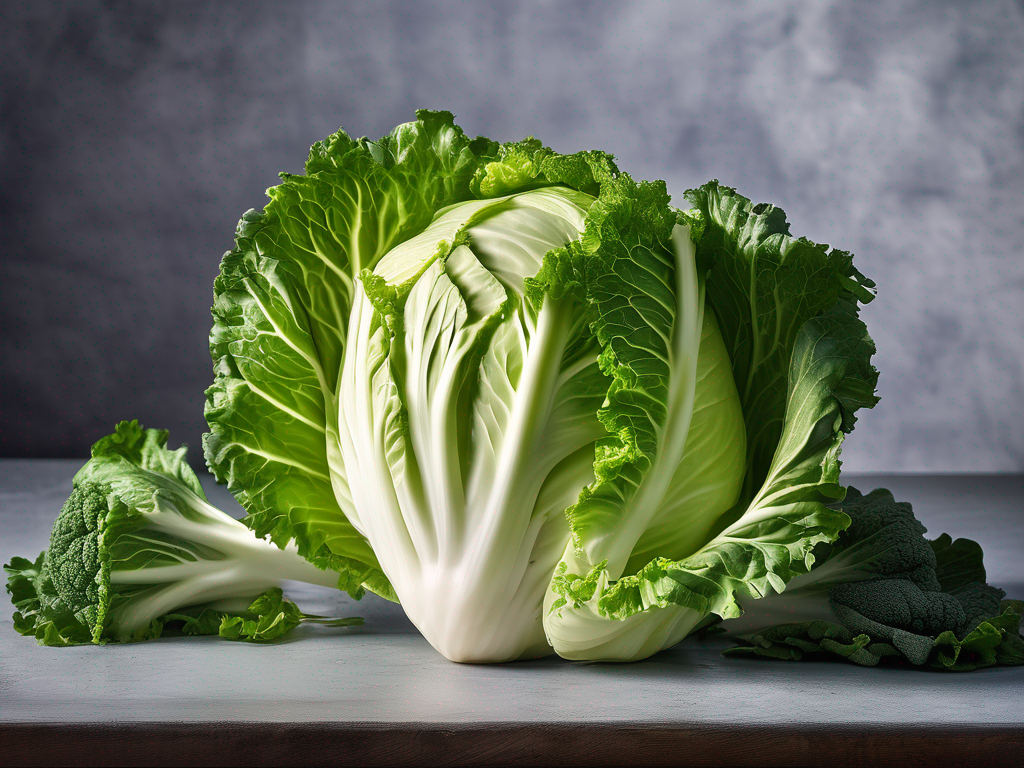
Signs that Oxheart Cabbage has Gone Bad and Should be Discarded
Signs that Oxheart Cabbage has Gone Bad and Should be Discarded
Oxheart cabbage, also known as sweetheart cabbage, is a delicious and nutritious vegetable that is popular in many dishes. However, like all fresh produce, oxheart cabbage can go bad if not stored properly. In this blog post, we will discuss the signs that oxheart cabbage has gone bad and should be discarded. (Oxheart cabbage)
Understanding Oxheart Cabbage
Before we delve into the signs of spoilage, let's first understand what oxheart cabbage is and how to properly store it. Oxheart cabbage is a type of cabbage that has a compact, cone-shaped head with tender leaves. It is rich in vitamins and minerals, making it a healthy addition to your diet. To ensure the freshness and quality of oxheart cabbage, it is important to store it correctly.
Proper Storage of Oxheart Cabbage
- Store oxheart cabbage in the crisper drawer of your refrigerator.
- Keep the cabbage whole until you are ready to use it.
- Do not wash the cabbage before storing it, as moisture can promote spoilage.
- Use a plastic bag to wrap the cabbage, ensuring that it is sealed to retain freshness.
Signs that Oxheart Cabbage has Gone Bad
Now, let's discuss the key signs that indicate oxheart cabbage has gone bad and should be discarded:
Proper airflow and humidity control can significantly extend produce freshness. Many households use produce storage containers (Amazon) in the refrigerator to regulate moisture and slow spoilage.
1. Discoloration
- Yellowing or browning of the leaves is a sign that the cabbage is past its prime.
- Black spots or mold growth on the surface of the cabbage indicate spoilage.
2. Foul Odor
- A sour or rotten smell coming from the cabbage is a clear indication that it has gone bad.
- Fresh oxheart cabbage should have a mild, earthy scent.
3. Slimy Texture
- If the leaves of the cabbage feel slimy or sticky to the touch, it is a sign of decay.
- Healthy oxheart cabbage should have crisp, firm leaves.
4. Soft or Mushy Spots
- Soft spots or areas of mushiness on the cabbage indicate bacterial growth and spoilage.
- Discard any cabbage with soft or mushy spots to prevent foodborne illness.
5. Presence of Insects or Bugs
- If you notice any insects or bugs crawling on the cabbage, it is a sign of contamination.
- Inspect the cabbage carefully before consuming it to ensure it is free of pests.
Conclusion
In conclusion, oxheart cabbage is a nutritious and versatile vegetable that can enhance a variety of dishes. However, it is important to be vigilant about the signs of spoilage to prevent foodborne illness. By understanding the signs that indicate oxheart cabbage has gone bad, you can ensure that you are consuming fresh and safe produce. Remember to store your oxheart cabbage properly and always inspect it before use to ensure its quality. If you notice any of the signs mentioned above, it is best to discard the cabbage to avoid any potential health risks. Enjoy your oxheart cabbage fresh and flavorful by following these simple guidelines for food safety. (Oxheart cabbage)
Authoritative Food Safety References
These agencies and university labs inform every tip and health precaution we publish.
USDA FoodKeeper – Cold Storage Guidelines
Official refrigerator, freezer, and pantry timelines maintained by the U.S. Department of Agriculture.
Visit USDA FoodKeeperFDA Produce Safety Rule & Grower Guidance
Field-to-fridge handling practices that prevent contamination of fruits, vegetables, and leafy greens.
Visit FDA Produce SafetyCDC Foodborne Illness Prevention Hub
Surveillance-backed guidance on pathogens, symptoms, and steps to reduce foodborne illness risk.
Visit CDC Food SafetyUC Davis Postharvest Technology Center
University research detailing optimal storage atmospheres for produce after harvest.
Visit UC Davis PostharvestPenn State Extension – Home Food Preservation & Safety
Peer-reviewed extension bulletins on safe canning, chilling, and reheating practices.
Visit Penn State ExtensionDisclosure: As an Amazon Associate, we earn from qualifying purchases. This helps support our site and allows us to continue providing free food safety information.