Signs that Opened Mayonnaise has Gone Bad
Signs that Opened Mayonnaise has Gone Bad
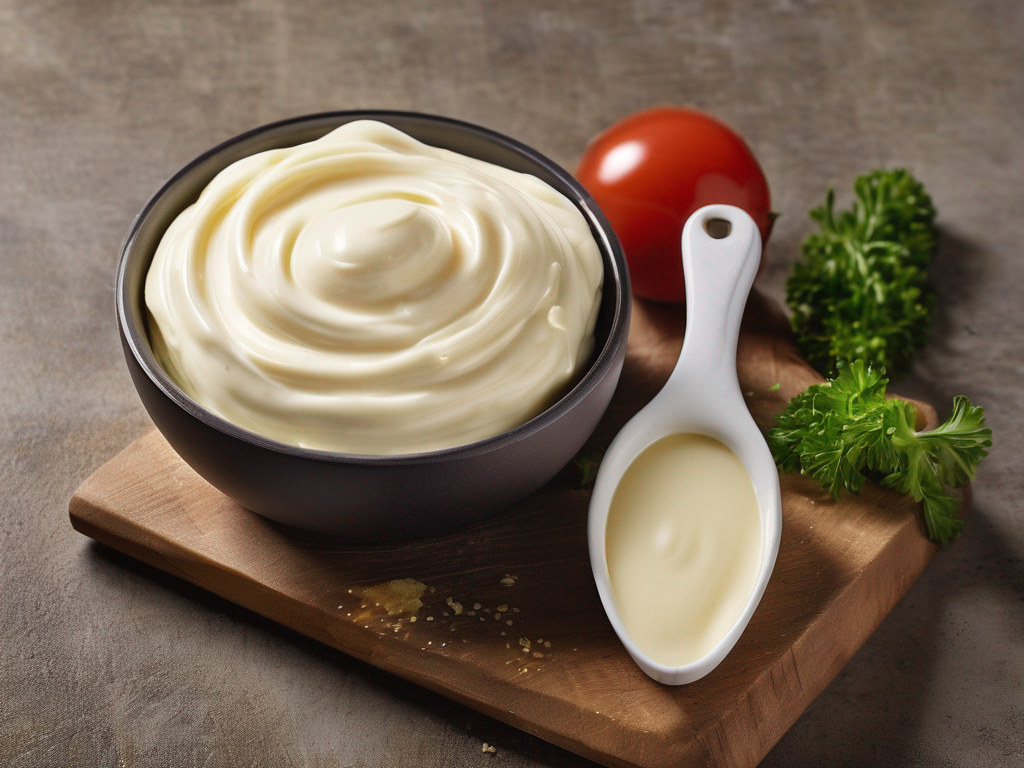
Mayonnaise is a popular condiment that can add a creamy and tangy flavor to sandwiches, salads, and other dishes. However, like any perishable food item, mayonnaise can spoil if not stored properly or if it is past its expiration date. In this blog post, we will discuss the signs that opened mayonnaise has gone bad and how to safely store and use this versatile condiment. (Mayonnaise opened)
How Long Does Mayonnaise Last After Opening?
Mayonnaise typically has a shelf life of about 2-3 months after opening. However, this can vary depending on the brand and storage conditions. It is essential to check the expiration date on the packaging and follow any specific storage instructions provided by the manufacturer.
Signs that Opened Mayonnaise Has Gone Bad
Here are some common indicators that your opened mayonnaise may have spoiled:
Dairy products require consistent cold storage to prevent spoilage and bacterial growth. A refrigerator thermometer (Amazon) helps ensure your refrigerator maintains safe temperatures (40°F or below).
-
Unusual Odor: Fresh mayonnaise should have a mild, creamy smell. If you detect a sour, rancid, or off-putting odor, it is a sign that the mayonnaise has gone bad.
-
Change in Color: Pay attention to the color of the mayonnaise. If it has developed a yellow or brown tint, or if you notice any discoloration or dark spots, it is best to discard it.
-
Texture Changes: Spoiled mayonnaise may separate, curdle, or become watery. If you see any unusual texture changes, such as clumps or a slimy consistency, it is a clear sign that the mayonnaise is no longer safe to consume.
-
Mold Growth: Visible mold growth on the surface of the mayonnaise is a definite sign that it has spoiled. Mold can be harmful if ingested, so it is crucial to discard the mayonnaise immediately.
How to Properly Store Opened Mayonnaise
To prolong the shelf life of opened mayonnaise and prevent it from spoiling prematurely, consider the following storage tips:
-
Refrigeration: Always store opened mayonnaise in the refrigerator at temperatures below 40°F (4°C). The cool environment helps slow down bacterial growth and maintain the freshness of the condiment.
-
Sealed Container: Transfer mayonnaise to an airtight container after opening to protect it from exposure to air and moisture, which can accelerate spoilage.
-
Avoid Cross-Contamination: Use clean utensils or spoons when scooping out mayonnaise to prevent introducing bacteria into the jar.
-
Check Expiration Date: Regularly check the expiration date of the mayonnaise and discard it if it has passed the recommended shelf life.
-
Avoid Temperature Fluctuations: Do not leave opened mayonnaise out at room temperature for an extended period, as fluctuations in temperature can promote bacterial growth.
Tips for Safe Handling of Opened Mayonnaise
In addition to proper storage, here are some essential tips for safely handling opened mayonnaise:
-
Use Clean Hands: Wash your hands thoroughly before handling mayonnaise to prevent contamination.
-
Avoid Double-Dipping: To prevent cross-contamination, use a clean utensil each time you scoop out mayonnaise from the jar.
-
Refrigerate Promptly: After using mayonnaise, promptly return it to the refrigerator to maintain its freshness and safety.
-
Check for Signs of Spoilage: Before using mayonnaise, always inspect it for any signs of spoilage, such as unusual odor, color changes, or mold growth.
Conclusion
In conclusion, opened mayonnaise can spoil if not stored properly or if it is past its expiration date. By being aware of the signs of spoilage and following safe handling and storage practices, you can enjoy this creamy condiment safely. Remember to always trust your senses and discard any mayonnaise that shows signs of spoilage to avoid foodborne illnesses. [Learn more about food storage and safety](/food/mayonnaise opened) to keep your kitchen a safe and enjoyable place for cooking and eating. (Mayonnaise opened)
Authoritative Food Safety References
These agencies and university labs inform every tip and health precaution we publish.
USDA FoodKeeper – Cold Storage Guidelines
Official refrigerator, freezer, and pantry timelines maintained by the U.S. Department of Agriculture.
Visit USDA FoodKeeperFDA Produce Safety Rule & Grower Guidance
Field-to-fridge handling practices that prevent contamination of fruits, vegetables, and leafy greens.
Visit FDA Produce SafetyCDC Foodborne Illness Prevention Hub
Surveillance-backed guidance on pathogens, symptoms, and steps to reduce foodborne illness risk.
Visit CDC Food SafetyUC Davis Postharvest Technology Center
University research detailing optimal storage atmospheres for produce after harvest.
Visit UC Davis PostharvestPenn State Extension – Home Food Preservation & Safety
Peer-reviewed extension bulletins on safe canning, chilling, and reheating practices.
Visit Penn State ExtensionDisclosure: As an Amazon Associate, we earn from qualifying purchases. This helps support our site and allows us to continue providing free food safety information.