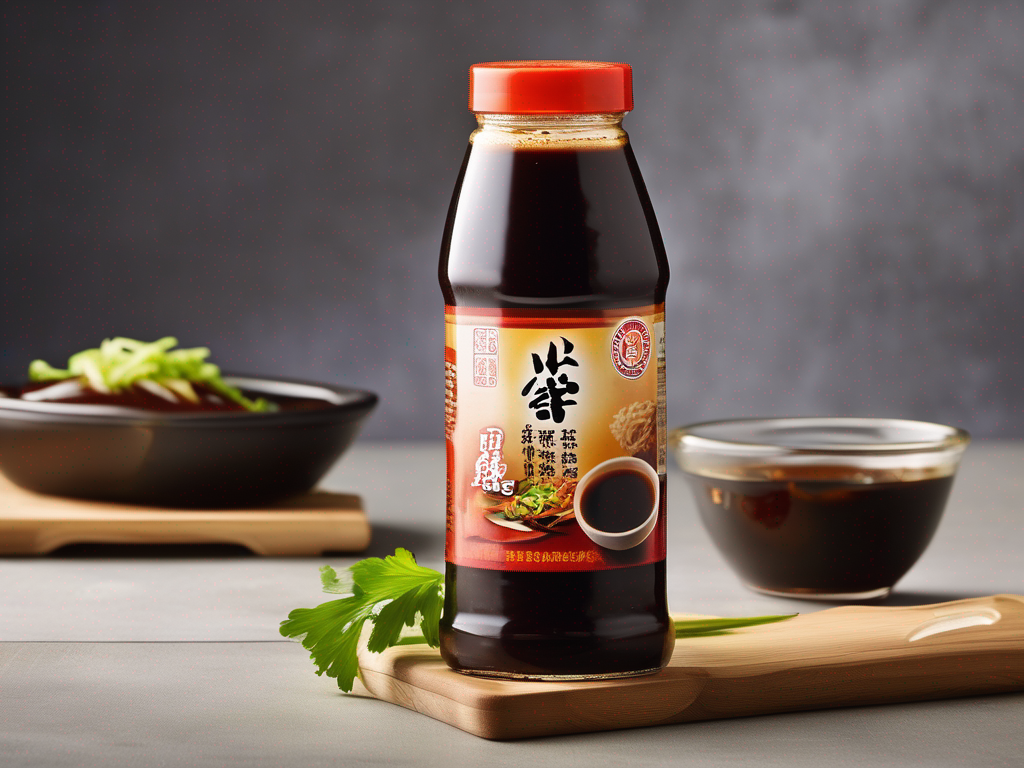
Signs that Hoisin Sauce Commercially Bottled Opened Has Gone Bad
Signs that Hoisin Sauce Commercially Bottled Opened Has Gone Bad
Hoisin sauce is a popular condiment in many Asian dishes, known for its sweet and savory flavor profile. However, like all food products, hoisin sauce can go bad if not stored properly or if it is past its expiration date. In this blog post, we will discuss the signs that hoisin sauce, particularly when commercially bottled and opened, has gone bad and is no longer safe to consume. (Hoisin sauce commercially bottled opened)
Understanding Hoisin Sauce
Hoisin sauce is a thick, dark, and fragrant sauce commonly used in Chinese cuisine as a glaze for meats, a dipping sauce, or a condiment in stir-fries. It is made from a blend of soybeans, garlic, vinegar, sugar, and various spices. Due to its high sugar and salt content, hoisin sauce has a relatively long shelf life when stored correctly.
Proper Storage of Hoisin Sauce
To ensure the longevity of hoisin sauce and maintain its quality, it is essential to store it properly. Here are some tips for storing hoisin sauce:
Proper cooking temperatures are essential for food safety. An instant-read food thermometer (Amazon) helps ensure meat reaches safe internal temperatures and reduces the risk of foodborne illness.
-
Refrigeration: Once opened, hoisin sauce should be refrigerated to prolong its shelf life. The cold temperature helps slow down the growth of bacteria and preserve the sauce's flavor.
-
Sealing: Always make sure to tightly seal the bottle after each use to prevent air and moisture from entering, which can lead to spoilage.
-
Avoid Contamination: Use clean utensils when scooping out hoisin sauce to prevent introducing bacteria into the bottle.
Signs that Hoisin Sauce Has Gone Bad
Despite proper storage, hoisin sauce can still spoil over time. Here are the signs to look out for to determine if your hoisin sauce has gone bad:
1. Mold Growth
- Visible Mold: If you see any mold growth on the surface of the hoisin sauce or around the bottle cap, discard it immediately. Mold indicates the presence of harmful bacteria that can cause food poisoning.
2. Unpleasant Odor
- Off Odor: Fresh hoisin sauce has a distinct sweet and savory aroma. If you notice a sour, rancid, or off-putting smell coming from the sauce, it is a sign that it has gone bad.
3. Change in Texture
- Separation: If the hoisin sauce has separated into layers or has a curdled appearance, it is a clear indication of spoilage. Fresh hoisin sauce should have a smooth and uniform consistency.
4. Discoloration
- Color Changes: Hoisin sauce typically has a dark brown color. If you notice any significant color changes, such as turning lighter or developing dark spots, it is best to discard the sauce.
5. Taste Test
- Off Taste: If you are unsure about the quality of your hoisin sauce, do a taste test. Spoiled hoisin sauce will have a funky or bitter taste, indicating that it is no longer safe to consume.
Conclusion
In conclusion, hoisin sauce is a versatile condiment that can add depth and flavor to various dishes. However, to ensure food safety and prevent foodborne illnesses, it is crucial to be mindful of the signs that indicate hoisin sauce has gone bad. By following proper storage practices and being vigilant of any changes in appearance, odor, texture, or taste, you can enjoy fresh and safe hoisin sauce every time. Remember, when in doubt, it's always best to err on the side of caution and discard any questionable hoisin sauce. [Learn more about hoisin sauce commercially bottled opened here](/food/hoisin sauce commercially bottled opened). (Hoisin sauce commercially bottled opened)
Authoritative Food Safety References
These agencies and university labs inform every tip and health precaution we publish.
USDA FoodKeeper – Cold Storage Guidelines
Official refrigerator, freezer, and pantry timelines maintained by the U.S. Department of Agriculture.
Visit USDA FoodKeeperFDA Produce Safety Rule & Grower Guidance
Field-to-fridge handling practices that prevent contamination of fruits, vegetables, and leafy greens.
Visit FDA Produce SafetyCDC Foodborne Illness Prevention Hub
Surveillance-backed guidance on pathogens, symptoms, and steps to reduce foodborne illness risk.
Visit CDC Food SafetyUC Davis Postharvest Technology Center
University research detailing optimal storage atmospheres for produce after harvest.
Visit UC Davis PostharvestPenn State Extension – Home Food Preservation & Safety
Peer-reviewed extension bulletins on safe canning, chilling, and reheating practices.
Visit Penn State ExtensionDisclosure: As an Amazon Associate, we earn from qualifying purchases. This helps support our site and allows us to continue providing free food safety information.