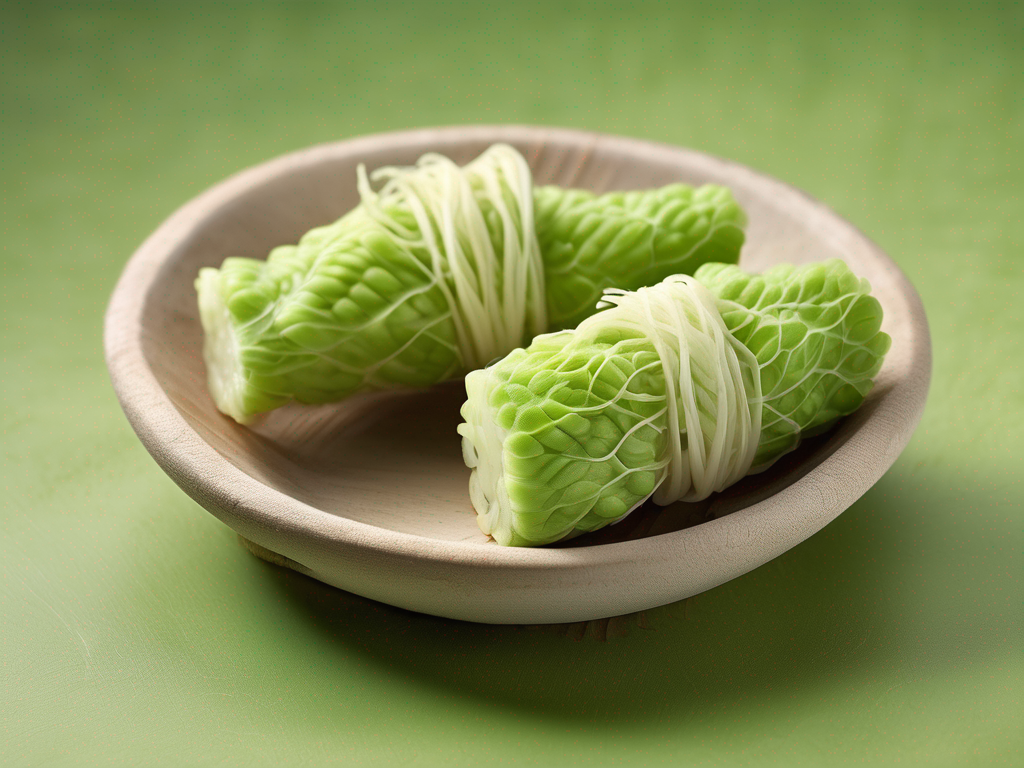
Signs Fresh Wasabi Root Has Gone Bad
Signs Fresh Wasabi Root Has Gone Bad
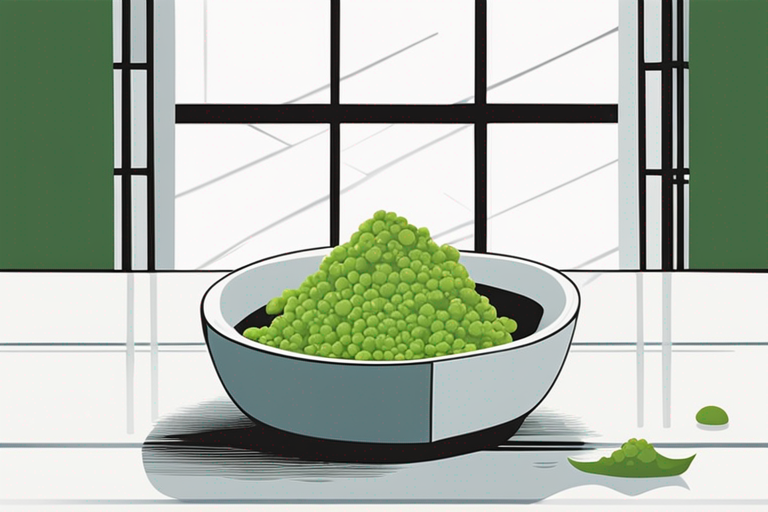
Fresh wasabi root is a prized ingredient known for its pungent flavor and vibrant green color. When properly stored, fresh wasabi root can last for several weeks, maintaining its freshness and flavor. However, like any perishable food item, fresh wasabi root can spoil if not handled correctly. In this blog post, we will discuss the signs that fresh wasabi root has gone bad and provide tips on how to store it properly to maximize its shelf life. (Fresh wasabi root)
How to Identify Fresh Wasabi Root
Fresh wasabi root is characterized by its knobby, irregular shape and pale green color. It has a distinct spicy flavor and is often used to add a kick to sushi, sashimi, and other dishes. When selecting fresh wasabi root, look for the following characteristics:
- Firm texture
- Vibrant green color
- Minimal blemishes or soft spots
- Strong, pungent aroma
Signs that Fresh Wasabi Root Has Gone Bad
Fresh wasabi root can spoil if not stored properly or if it has been sitting for too long. Here are the signs to look out for that indicate fresh wasabi root has gone bad:
Proper airflow and humidity control can significantly extend produce freshness. Many households use produce storage containers (Amazon) in the refrigerator to regulate moisture and slow spoilage.
1. Mold or Discoloration
If you notice any mold growth or discoloration on the surface of the fresh wasabi root, it is a clear indication that it has spoiled. Mold can develop quickly on perishable items like fresh wasabi root, so it's essential to inspect it regularly for any signs of contamination.
2. Slimy Texture
Fresh wasabi root should have a firm texture. If the root feels slimy or mushy to the touch, it is a sign that it has started to break down and is no longer safe to consume.
3. Foul Odor
Fresh wasabi root has a strong, pungent aroma that is characteristic of its spicy flavor. If the root emits a foul or off-putting odor, it is a sign that it has spoiled and should be discarded.
4. Wrinkled or Shriveled Appearance
As fresh wasabi root ages, it may start to lose moisture and become wrinkled or shriveled. This is a sign that the root is past its prime and is no longer fresh.
Tips for Storing Fresh Wasabi Root
To extend the shelf life of fresh wasabi root and prevent it from spoiling, follow these storage tips:
-
Refrigerate: Store fresh wasabi root in the vegetable crisper drawer of the refrigerator. Keep it wrapped in a damp paper towel or cloth to help retain moisture.
-
Avoid Moisture: Excess moisture can cause fresh wasabi root to spoil quickly. Make sure the root is not stored in a damp or humid environment.
-
Use airtight containers: If you have cut or grated fresh wasabi root, store it in an airtight container to prevent it from drying out or absorbing odors from other foods.
-
Check regularly: Inspect the fresh wasabi root regularly for any signs of spoilage. Remove any damaged or discolored parts to prevent further contamination.
-
Use it promptly: Fresh wasabi root is best consumed as soon as possible for optimal flavor and quality. If you are unable to use it right away, consider freezing it for longer storage.
Conclusion
Fresh wasabi root is a versatile and flavorful ingredient that can elevate a variety of dishes. By knowing how to identify the signs of spoilage and following proper storage practices, you can enjoy fresh wasabi root at its best. Remember to inspect the root regularly, store it correctly, and use it promptly to make the most of this unique ingredient. (Fresh wasabi root)
Authoritative Food Safety References
These agencies and university labs inform every tip and health precaution we publish.
USDA FoodKeeper – Cold Storage Guidelines
Official refrigerator, freezer, and pantry timelines maintained by the U.S. Department of Agriculture.
Visit USDA FoodKeeperFDA Produce Safety Rule & Grower Guidance
Field-to-fridge handling practices that prevent contamination of fruits, vegetables, and leafy greens.
Visit FDA Produce SafetyCDC Foodborne Illness Prevention Hub
Surveillance-backed guidance on pathogens, symptoms, and steps to reduce foodborne illness risk.
Visit CDC Food SafetyUC Davis Postharvest Technology Center
University research detailing optimal storage atmospheres for produce after harvest.
Visit UC Davis PostharvestPenn State Extension – Home Food Preservation & Safety
Peer-reviewed extension bulletins on safe canning, chilling, and reheating practices.
Visit Penn State ExtensionFrequently Asked Questions
Q: Can I still use fresh wasabi root if it has mold on it?
Q: How should fresh wasabi root be stored to prevent it from going bad?
Q: Can I freeze fresh wasabi root to extend its shelf life?
Q: How long does fresh wasabi root typically last before it goes bad?
Disclosure: As an Amazon Associate, we earn from qualifying purchases. This helps support our site and allows us to continue providing free food safety information.