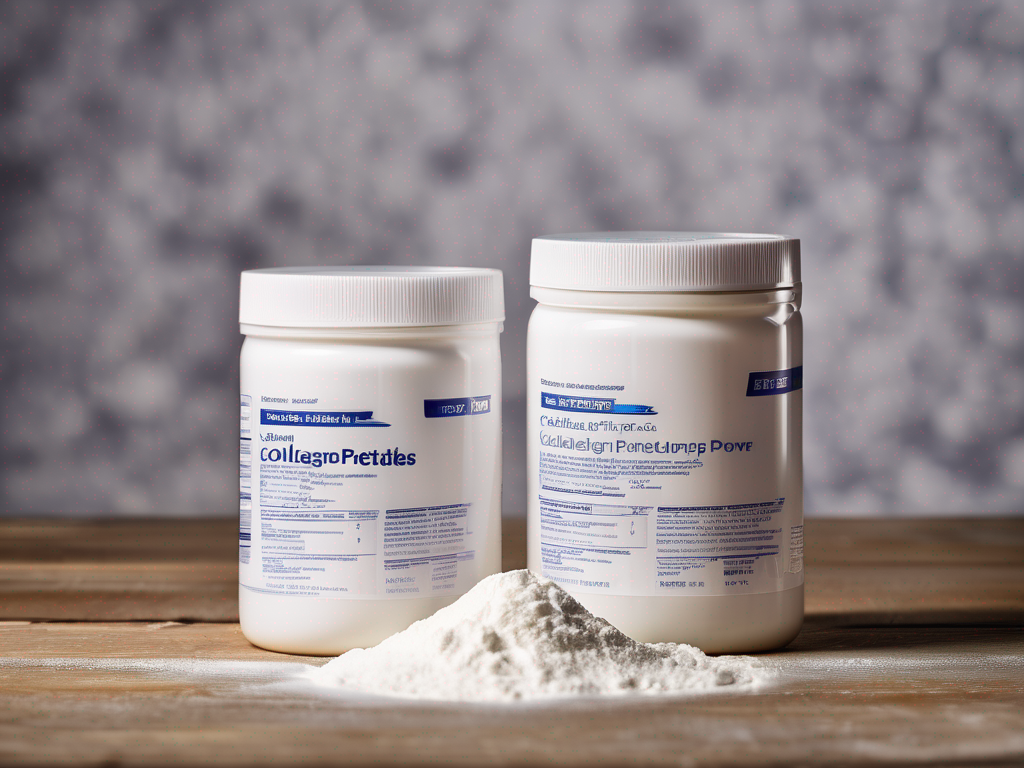
Signs that Collagen Peptides Powder Has Gone Bad
Signs that Collagen Peptides Powder Has Gone Bad
Collagen peptides powder has gained popularity in recent years for its potential nutritional quality, such as promoting skin elasticity and joint health. However, like any food product, collagen peptides powder can go bad if not stored properly or if it has passed its expiration date. In this blog post, we will discuss the signs that collagen peptides powder has gone bad and what you can do to ensure its freshness and safety. (Collagen peptides powder)
Understanding Collagen Peptides Powder
Before we delve into the signs of spoilage, let's first understand what collagen peptides powder is. Collagen is the most abundant protein in the human body and plays a crucial role in maintaining the strength and structure of our skin, bones, and joints. Collagen peptides are hydrolyzed collagen molecules broken down into smaller chains, making them easier for the body to absorb.
Collagen peptides powder is a convenient way to incorporate collagen into your diet, whether you mix it into your morning smoothie or stir it into your coffee. However, it is essential to store collagen peptides powder correctly to maintain its quality and prevent spoilage.
Signs of Spoilage in Collagen Peptides Powder
Here are the key signs that your collagen peptides powder has gone bad:
1. Unpleasant Odor
Fresh collagen peptides powder should have a neutral or slightly sweet smell. If you detect a rancid or foul odor when opening the container, it is a clear indication that the powder has spoiled.
2. Change in Color or Texture
Healthy collagen peptides powder typically has a light beige or off-white color and a fine, powdery texture. If you notice any discoloration, clumping, or unusual texture changes, it may be a sign that the powder has deteriorated.
3. Bitter or Off-Flavor
Collagen peptides powder should have a mild, neutral taste that blends well with various beverages and recipes. If you notice a bitter or off-flavor when consuming the powder, it could indicate spoilage.
4. Expiration Date
Check the expiration date on the packaging of your collagen peptides powder. Consuming the powder past its expiration date can not only impact its quality but also pose health risks.
5. Presence of Moisture or Mold
Moisture and humidity can cause collagen peptides powder to clump together and create an environment conducive to mold growth. If you see any signs of moisture or mold in the powder, it is best to discard it immediately.
Tips for Storing Collagen Peptides Powder
To prolong the shelf life of your collagen peptides powder and maintain its freshness, follow these storage tips:
-
Store in a Cool, Dry Place: Keep your collagen peptides powder in a cool, dry pantry away from direct sunlight and heat sources.
-
Seal the Container Properly: Ensure that the container is tightly sealed after each use to prevent moisture from entering and causing clumping.
-
Avoid Exposure to Air: Oxygen can contribute to the oxidation of collagen peptides, leading to a loss of quality. Choose a container with a resealable lid to minimize air exposure.
-
Use a Clean Scoop: Always use a clean, dry scoop to measure out your collagen peptides powder to prevent contamination.
-
Refrigerate After Opening: If you live in a humid environment or want to extend the freshness of your collagen peptides powder, consider storing it in the refrigerator after opening.
Conclusion
In conclusion, collagen peptides powder is a valuable supplement known for its potential nutritional quality. By being mindful of the signs of spoilage and following proper storage practices, you can enjoy the benefits of collagen peptides powder without compromising on safety or quality. Remember to trust your senses and check for any changes in odor, color, texture, or flavor before consuming the powder. By taking these precautions, you can ensure that your collagen peptides powder remains fresh and effective for longer periods. (Collagen peptides powder)
Authoritative Food Safety References
These agencies and university labs inform every tip and health precaution we publish.
USDA FoodKeeper – Cold Storage Guidelines
Official refrigerator, freezer, and pantry timelines maintained by the U.S. Department of Agriculture.
Visit USDA FoodKeeperFDA Produce Safety Rule & Grower Guidance
Field-to-fridge handling practices that prevent contamination of fruits, vegetables, and leafy greens.
Visit FDA Produce SafetyCDC Foodborne Illness Prevention Hub
Surveillance-backed guidance on pathogens, symptoms, and steps to reduce foodborne illness risk.
Visit CDC Food SafetyUC Davis Postharvest Technology Center
University research detailing optimal storage atmospheres for produce after harvest.
Visit UC Davis PostharvestPenn State Extension – Home Food Preservation & Safety
Peer-reviewed extension bulletins on safe canning, chilling, and reheating practices.
Visit Penn State Extension