Preventing Freezer Burn on Frozen Cauliflower Rice
Preventing Freezer Burn on Frozen Cauliflower Rice
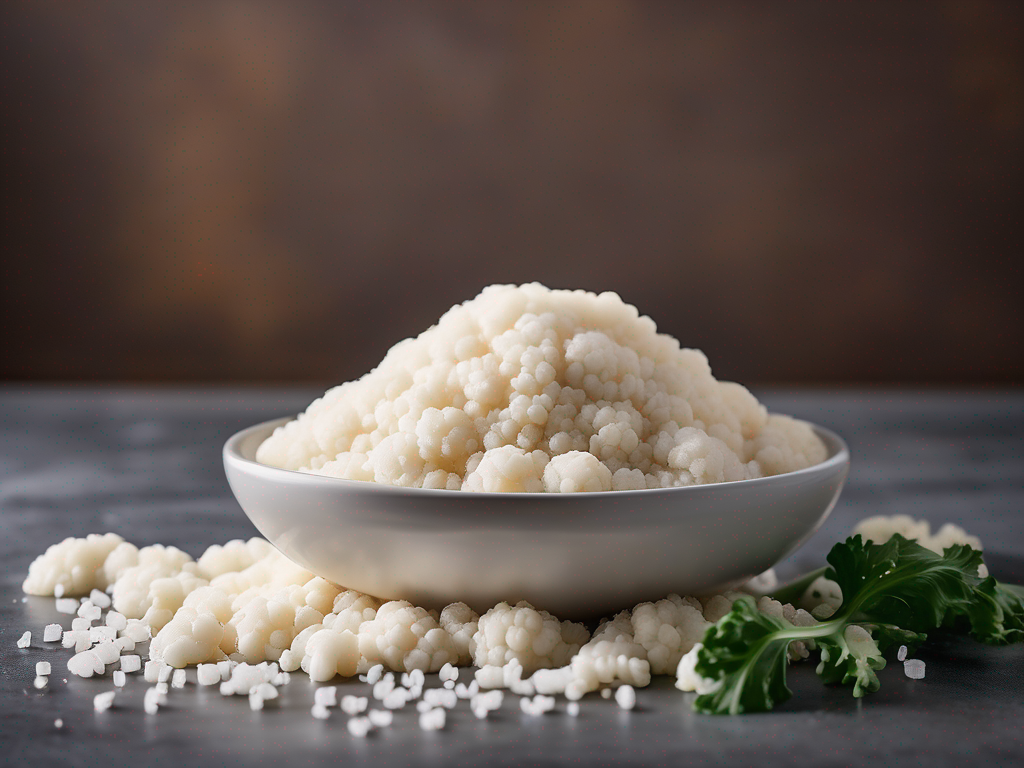
Frozen cauliflower rice is a convenient and healthy option for quick meals, but freezer burn can ruin its taste and texture. Freezer burn occurs when moisture in the food evaporates and forms ice crystals on the surface, leading to dry, discolored, and tough cauliflower rice. To ensure your frozen cauliflower rice stays fresh and flavorful, here are some effective ways to prevent freezer burn. (Frozen cauliflower rice)
1. Proper Packaging
Vacuum Sealing
- Vacuum sealing is one of the best methods to prevent freezer burn on frozen cauliflower rice.
- Remove as much air as possible from the packaging to create an airtight seal.
- Invest in a vacuum sealer for long-term storage.
Airtight Containers
- Use airtight containers specifically designed for freezer storage.
- Ensure the lid is tightly sealed to prevent air exposure.
2. Temperature Control
Freezer Temperature
- Maintain a consistent freezer temperature of 0°F (-18°C) or lower.
- Fluctuating temperatures can contribute to freezer burn.
Rapid Freezing
- Freeze the cauliflower rice as quickly as possible after purchasing or preparing it.
- Rapid freezing helps retain the food's moisture and freshness.
3. Proper Handling
Avoid Opening and Closing the Freezer Repeatedly
- Limit the number of times you open the freezer to prevent temperature fluctuations.
- Plan ahead and take out all the items you need at once.
Store in the Coldest Part of the Freezer
- Place the frozen cauliflower rice in the back of the freezer where temperatures are the coldest and most stable.
4. Rotation and Labeling
First In, First Out (FIFO)
- Practice FIFO to ensure older cauliflower rice gets used first.
- Label containers with the date of freezing to track freshness.
5. Quality of Cauliflower Rice
Freshness
- Use fresh cauliflower rice for freezing.
- Freezing stale or low-quality cauliflower rice increases the likelihood of freezer burn.
Blanched Cauliflower Rice
- Consider blanching the cauliflower rice before freezing.
- Blanching helps preserve the texture and color of the cauliflower rice.
By following these tips, you can prevent freezer burn and keep your frozen cauliflower rice fresh and delicious for longer periods.
In conclusion, freezer burn is a common issue with frozen foods, including cauliflower rice. Proper packaging, temperature control, handling, rotation, and the quality of the cauliflower rice are key factors in preventing freezer burn. By taking these preventive measures, you can ensure that your frozen cauliflower rice maintains its taste, texture, and nutritional value. Implement these strategies to enjoy flavorful and high-quality cauliflower rice whenever you need it. (Frozen cauliflower rice)
Dry foods stay fresher when protected from moisture, pests, and air exposure. Using airtight pantry containers (Amazon) helps maintain quality and extend shelf life for pantry staples.
Related Posts
Here are some other articles you might find helpful:
- The Ultimate Guide to Properly Storing Frozen Cauliflower Rice
- The Ultimate Guide to Storing Cauliflower to Prevent Mold Growth
- Making the Most of Leftover Cauliflower: Tips for Storage and Usage
- How to Tell if Frozen Cauliflower Rice Has Gone Bad Before Cooking It
- The Best Way to Thaw and Reheat Frozen Cauliflower Rice
Authoritative Food Safety References
These agencies and university labs inform every tip and health precaution we publish.
USDA FoodKeeper – Cold Storage Guidelines
Official refrigerator, freezer, and pantry timelines maintained by the U.S. Department of Agriculture.
Visit USDA FoodKeeperFDA Produce Safety Rule & Grower Guidance
Field-to-fridge handling practices that prevent contamination of fruits, vegetables, and leafy greens.
Visit FDA Produce SafetyCDC Foodborne Illness Prevention Hub
Surveillance-backed guidance on pathogens, symptoms, and steps to reduce foodborne illness risk.
Visit CDC Food SafetyUC Davis Postharvest Technology Center
University research detailing optimal storage atmospheres for produce after harvest.
Visit UC Davis PostharvestPenn State Extension – Home Food Preservation & Safety
Peer-reviewed extension bulletins on safe canning, chilling, and reheating practices.
Visit Penn State ExtensionDisclosure: As an Amazon Associate, we earn from qualifying purchases. This helps support our site and allows us to continue providing free food safety information.