Extending the Shelf Life of Collagen Peptides: Practical Tips and Safety Guidelines
Extending the Shelf Life of Collagen Peptides: Practical Tips and Safety Guidelines
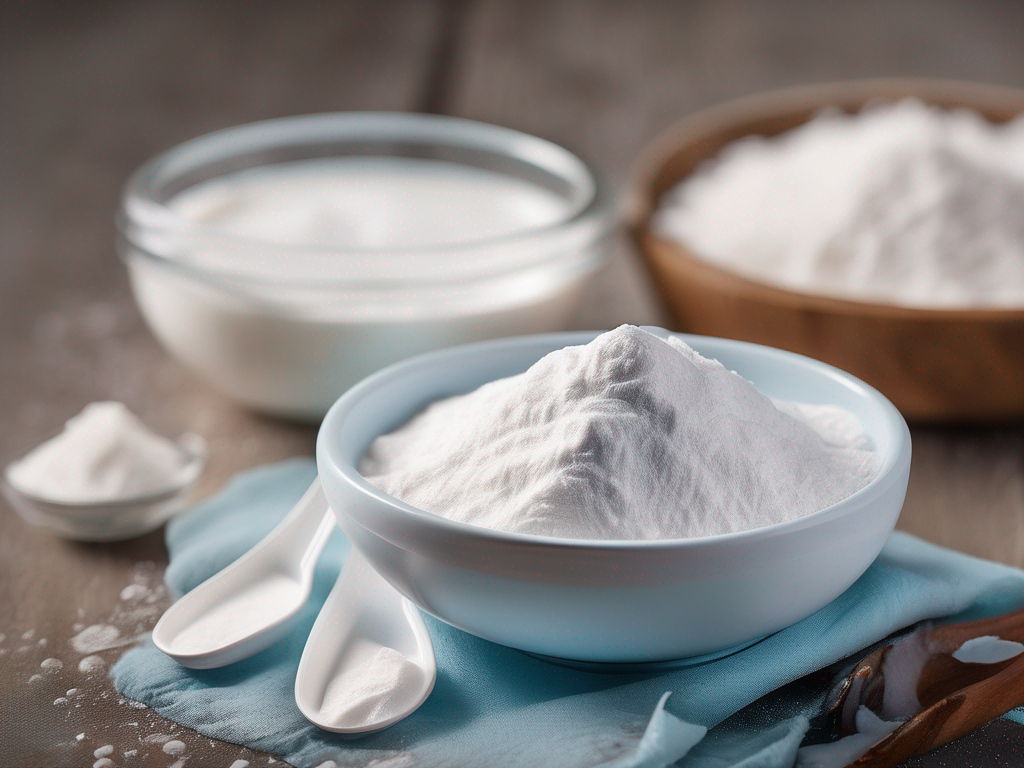
Collagen peptides have gained popularity in recent years for their numerous nutritional quality, including supporting skin health, joint function, and muscle recovery. However, like any other food product, collagen peptides have a limited shelf life. Proper storage and handling are crucial to maintaining the quality and safety of collagen peptides. In this post, we will discuss practical tips and safety guidelines to help you extend the shelf life of collagen peptides effectively. (Collagen peptides)
Understanding Collagen Peptides
Before diving into ways to extend the shelf life of collagen peptides, let's briefly understand what they are. Collagen peptides are a form of collagen protein that has been broken down into smaller peptides. They are typically derived from animal sources like bovine or marine collagen. Collagen peptides are known for their high bioavailability, making them easy for the body to absorb and utilize.
Factors Affecting Shelf Life
Several factors can impact the shelf life of collagen peptides. It's essential to be aware of these factors to ensure that your collagen peptides remain fresh and safe for consumption. Some of the key factors include:
1. Packaging
- Collagen peptides are often sold in airtight containers or resealable bags to protect them from moisture and air exposure.
- Ensure that the packaging is intact and properly sealed to prevent contamination.
2. Storage Conditions
- Collagen peptides should be stored in a cool, dry place away from direct sunlight and heat sources.
- Exposure to light, heat, or moisture can degrade the quality of collagen peptides and shorten their shelf life.
3. Contamination
- Keep collagen peptides away from potential contaminants, such as food particles, dust, or pests.
- Always use clean utensils and wash your hands before handling collagen peptides to prevent contamination.
Tips to Extend the Shelf Life of Collagen Peptides
Now that we understand the factors that can affect the shelf life of collagen peptides, let's explore some practical tips to help you prolong their freshness and quality:
1. Optimal Storage
- Store collagen peptides in their original airtight packaging or transfer them to a sealed container.
- Keep the container in a cool, dark pantry or cabinet away from the stove or any heat-emitting appliances.
2. Avoid Moisture
- Moisture can cause collagen peptides to clump together and degrade.
- Use desiccant packets or silica gel packs in the storage container to absorb excess moisture.
3. Seal Properly
- Ensure that the packaging or container is tightly sealed after each use to prevent air exposure.
- Resealable bags should be pressed to remove excess air before sealing.
4. Rotate Stock
- If you buy collagen peptides in bulk, consider dividing them into smaller portions for easier use.
- Use the oldest collagen peptide container first to prevent any product from expiring unused.
5. Check for Signs of Spoilage
- Before using collagen peptides, inspect them for any unusual odor, discoloration, or mold growth.
- If you notice any signs of spoilage, discard the product immediately.
Safety Guidelines for Collagen Peptides
Ensuring the safety of collagen peptides is paramount for maintaining their quality and protecting your health. Here are some safety guidelines to keep in mind:
- Check the Expiry Date: Always check the expiry date on the packaging before using collagen peptides.
- Follow Storage Instructions: Adhere to the recommended storage conditions provided by the manufacturer to preserve the quality of collagen peptides.
- Avoid Cross-Contamination: Use separate utensils for scooping collagen peptides to prevent cross-contamination with other foods.
- Consult a Healthcare Professional: If you have any underlying health conditions or concerns about consuming collagen peptides, consult a healthcare professional before incorporating them into your diet.
Conclusion
By following proper storage practices, being mindful of contamination risks, and understanding the factors that affect the shelf life of collagen peptides, you can ensure that your collagen peptides remain fresh and safe for consumption. Incorporate these practical tips and safety guidelines into your routine to extend the shelf life of collagen peptides effectively. Remember, maintaining the quality of your collagen peptides not only preserves their nutritional benefits but also safeguards your well-being. (Collagen peptides)
Authoritative Food Safety References
These agencies and university labs inform every tip and health precaution we publish.
USDA FoodKeeper – Cold Storage Guidelines
Official refrigerator, freezer, and pantry timelines maintained by the U.S. Department of Agriculture.
Visit USDA FoodKeeperFDA Produce Safety Rule & Grower Guidance
Field-to-fridge handling practices that prevent contamination of fruits, vegetables, and leafy greens.
Visit FDA Produce SafetyCDC Foodborne Illness Prevention Hub
Surveillance-backed guidance on pathogens, symptoms, and steps to reduce foodborne illness risk.
Visit CDC Food SafetyUC Davis Postharvest Technology Center
University research detailing optimal storage atmospheres for produce after harvest.
Visit UC Davis PostharvestPenn State Extension – Home Food Preservation & Safety
Peer-reviewed extension bulletins on safe canning, chilling, and reheating practices.
Visit Penn State Extension