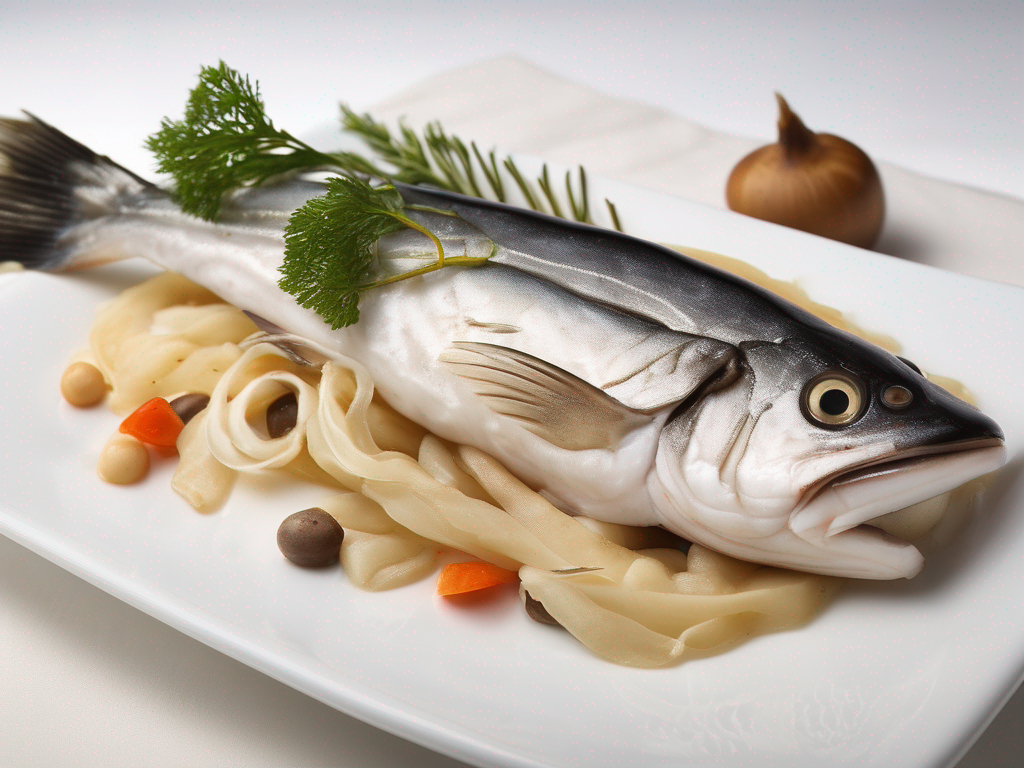
Maximizing the Shelf Life of Atlantic Pollock in the Refrigerator
Maximizing the Shelf Life of Atlantic Pollock in the Refrigerator
Atlantic Pollock is a delicious and versatile fish that is a popular choice for seafood lovers. Whether you have just bought fresh Atlantic Pollock or cooked a delicious meal with it, knowing how to store it properly in the refrigerator can help extend its shelf life and maintain its quality. In this blog post, we will discuss some practical tips on how to maximize the shelf life of Atlantic Pollock in the refrigerator. (Atlantic pollock)
Understanding Atlantic Pollock
Before we delve into the storage tips, let's briefly discuss what Atlantic Pollock is. [Atlantic Pollock](/food/atlantic pollock) is a species of fish that is part of the cod family. It has a mild, slightly sweet flavor and a firm texture, making it a versatile ingredient for various dishes. Atlantic Pollock is a good source of protein and essential nutrients such as omega-3 fatty acids, vitamin B12, and selenium.
Purchasing Fresh Atlantic Pollock
The first step in maximizing the shelf life of Atlantic Pollock is to start with a fresh product. When purchasing Atlantic Pollock, keep the following tips in mind:
Proper cooking temperatures are essential for food safety. An instant-read food thermometer (Amazon) helps ensure meat reaches safe internal temperatures and reduces the risk of foodborne illness.
Tips for buying fresh Atlantic Pollock:
- Choose Atlantic Pollock that has a bright, shiny appearance with clear eyes.
- Check for any off odors, as fresh Atlantic Pollock should have a mild sea scent.
- Ensure that the flesh is firm to the touch and springs back when pressed.
Proper Storage of Atlantic Pollock in the Refrigerator
Once you have purchased or cooked Atlantic Pollock, it is essential to store it correctly in the refrigerator to maintain its freshness and flavor. Follow these tips for optimal storage:
Steps for storing Atlantic Pollock in the refrigerator:
-
Use proper packaging: Transfer the Atlantic Pollock to an airtight container or wrap it tightly in plastic wrap to prevent exposure to air and moisture.
-
Maintain the right temperature: Store the Atlantic Pollock in the coldest part of the refrigerator, ideally at a temperature below 40°F (4°C).
💡Refrigerator temperature fluctuations can accelerate spoilage and increase food safety risks. A refrigerator thermometer (Amazon) helps monitor consistent cold storage (40°F or below).
-
Avoid cross-contamination: Store the Atlantic Pollock away from raw meats and other seafood to prevent cross-contamination.
-
Use it within 1-2 days: For optimal freshness, consume the Atlantic Pollock within 1-2 days of purchase or preparation.
Tips for Extending the Shelf Life of Atlantic Pollock
To further extend the shelf life of Atlantic Pollock in the refrigerator, consider the following tips:
Ways to maximize the shelf life of Atlantic Pollock:
-
Properly thaw frozen Atlantic Pollock: If you have frozen Atlantic Pollock, thaw it in the refrigerator overnight rather than at room temperature to maintain its quality.
-
Use marinades: Marinating Atlantic Pollock with herbs, spices, and citrus flavors not only enhances its taste but also helps preserve it by inhibiting bacterial growth.
-
Vacuum sealing: Consider vacuum-sealing portions of Atlantic Pollock before storing them in the refrigerator to prolong their freshness.
-
Cook in advance: If you have cooked Atlantic Pollock, store it in an airtight container in the refrigerator for up to 3-4 days.
Conclusion
By following these tips and guidelines, you can ensure that your Atlantic Pollock stays fresh and delicious for longer in the refrigerator. Proper storage practices not only extend the shelf life of Atlantic Pollock but also help maintain its quality and flavor. Enjoy your Atlantic Pollock dishes with confidence, knowing that you have stored them correctly to maximize their freshness. (Atlantic pollock)
Related Posts
Here are some other articles you might find helpful:
Authoritative Food Safety References
These agencies and university labs inform every tip and health precaution we publish.
USDA FoodKeeper – Cold Storage Guidelines
Official refrigerator, freezer, and pantry timelines maintained by the U.S. Department of Agriculture.
Visit USDA FoodKeeperFDA Produce Safety Rule & Grower Guidance
Field-to-fridge handling practices that prevent contamination of fruits, vegetables, and leafy greens.
Visit FDA Produce SafetyCDC Foodborne Illness Prevention Hub
Surveillance-backed guidance on pathogens, symptoms, and steps to reduce foodborne illness risk.
Visit CDC Food SafetyUC Davis Postharvest Technology Center
University research detailing optimal storage atmospheres for produce after harvest.
Visit UC Davis PostharvestPenn State Extension – Home Food Preservation & Safety
Peer-reviewed extension bulletins on safe canning, chilling, and reheating practices.
Visit Penn State ExtensionDisclosure: As an Amazon Associate, we earn from qualifying purchases. This helps support our site and allows us to continue providing free food safety information.