Top Tips for Storing Dried Thyme to Extend Its Shelf Life
Top Tips for Storing Dried Thyme to Extend Its Shelf Life
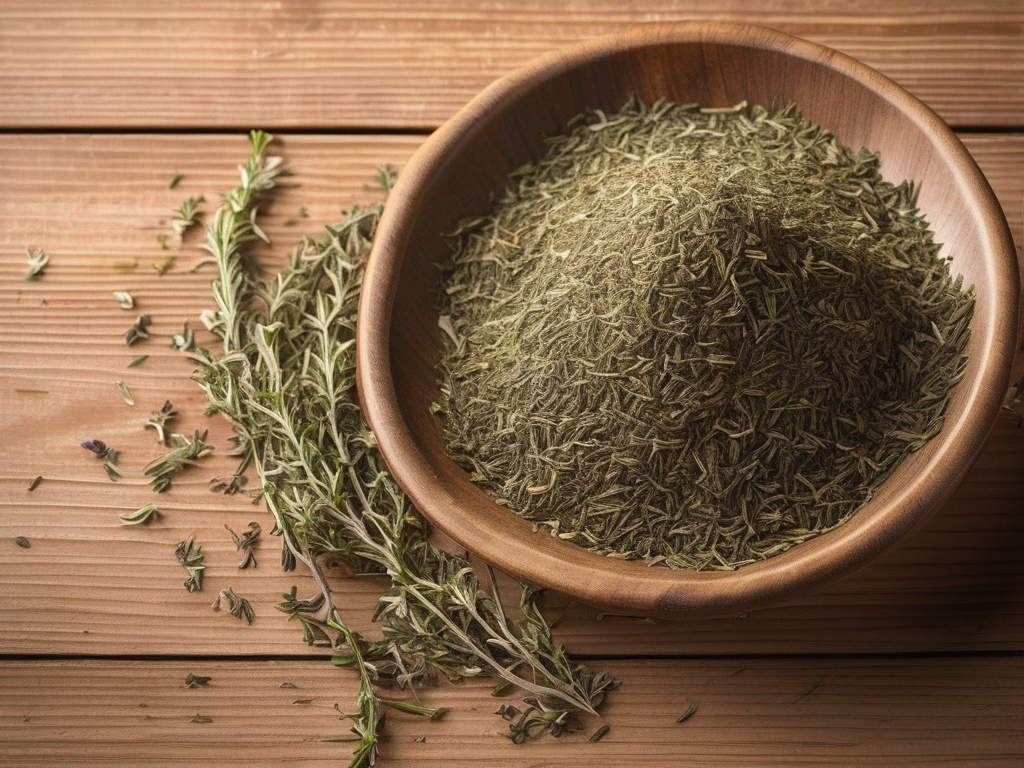
Dried thyme is a versatile herb commonly used in cooking to add flavor and aroma to a variety of dishes. Proper storage of dried thyme is essential to maintain its freshness and potency. In this blog post, we will explore the top tips for storing dried thyme to extend its shelf life and ensure that you get the most out of this flavorful herb. (Dried thyme)
Why Proper Storage Matters for Dried Thyme
Before diving into the tips for storing dried thyme, it's essential to understand why proper storage is crucial for maintaining the quality of this herb. Here are a few reasons why proper storage matters:
-
Preserves Flavor: Proper storage helps to preserve the flavor and aroma of dried thyme, ensuring that it retains its potency over time.
-
Prevents Spoilage: Storing dried thyme correctly helps prevent it from spoiling, which can occur due to exposure to moisture, light, or heat.
-
Maintains Nutritional Value: By storing dried thyme properly, you can help maintain its nutritional value, ensuring that you get the full benefits of this herb.
Now that we understand the importance of proper storage, let's explore the top tips for keeping your dried thyme fresh.
Tips for Storing Dried Thyme
1. Choose the Right Container
When it comes to storing dried thyme, the container you use plays a significant role in maintaining its freshness. Here are some tips for choosing the right container:
- Opt for airtight containers: Choose a container that is airtight to prevent moisture from getting in and affecting the quality of the dried thyme.
- Use glass or metal containers: Glass or metal containers are ideal for storing dried thyme as they help protect it from light exposure, which can degrade the herb's flavor.
2. Store in a Cool, Dark Place
The storage environment plays a crucial role in preserving the quality of dried thyme. Follow these guidelines for storing dried thyme in the right conditions:
- Avoid heat and light: Store dried thyme away from heat sources and direct sunlight, as exposure to light and heat can cause the herb to lose its flavor and aroma.
- Choose a cool, dark place: Opt for a cool, dark place such as a pantry or cupboard to store dried thyme. Avoid storing it near the stove or in areas prone to temperature fluctuations.
3. Label and Date the Container
Proper labeling and dating of the container can help you track the freshness of dried thyme and ensure that you use it before it loses its potency. Here's how to do it:
- Label the container: Clearly label the container with the contents (dried thyme) and the date of purchase or packaging.
- Rotate stock: Use the oldest dried thyme first to ensure that you always have a fresh supply on hand.
4. Check for Signs of Spoilage
To ensure that your dried thyme stays fresh, it's essential to check for signs of spoilage regularly. Here are some indicators that dried thyme may have gone bad:
- Loss of color: If the dried thyme has lost its vibrant green color and appears dull or brownish, it may be past its prime.
- Off smell: Spoiled dried thyme may have a musty or off-putting odor, indicating that it is no longer suitable for use.
- Mold or moisture: Any signs of mold or moisture in the container are a clear indication that the dried thyme should be discarded.
5. Consider Freezing Dried Thyme
If you have a large quantity of dried thyme or want to extend its shelf life further, consider freezing it. Here's how to freeze dried thyme effectively:
- Use airtight bags: Place dried thyme in airtight freezer bags, removing as much air as possible before sealing.
- Label and date: Don't forget to label and date the freezer bags to keep track of the frozen dried thyme.
- Thaw as needed: When you're ready to use the frozen dried thyme, simply thaw it at room temperature or add it directly to your dishes.
Conclusion
Proper storage of dried thyme is essential for maintaining its flavor, aroma, and nutritional value. By following the top tips outlined in this blog post, you can ensure that your dried thyme stays fresh and potent for an extended period. Remember to choose the right container, store in a cool, dark place, label and date the container, check for signs of spoilage, and consider freezing dried thyme for long-term storage. By incorporating these storage tips into your routine, you can enjoy the full benefits of this versatile herb in your culinary creations. (Dried thyme)
Related Posts
Here are some other articles you might find helpful:
Authoritative Food Safety References
These agencies and university labs inform every tip and health precaution we publish.
USDA FoodKeeper – Cold Storage Guidelines
Official refrigerator, freezer, and pantry timelines maintained by the U.S. Department of Agriculture.
Visit USDA FoodKeeperFDA Produce Safety Rule & Grower Guidance
Field-to-fridge handling practices that prevent contamination of fruits, vegetables, and leafy greens.
Visit FDA Produce SafetyCDC Foodborne Illness Prevention Hub
Surveillance-backed guidance on pathogens, symptoms, and steps to reduce foodborne illness risk.
Visit CDC Food SafetyUC Davis Postharvest Technology Center
University research detailing optimal storage atmospheres for produce after harvest.
Visit UC Davis PostharvestPenn State Extension – Home Food Preservation & Safety
Peer-reviewed extension bulletins on safe canning, chilling, and reheating practices.
Visit Penn State Extension