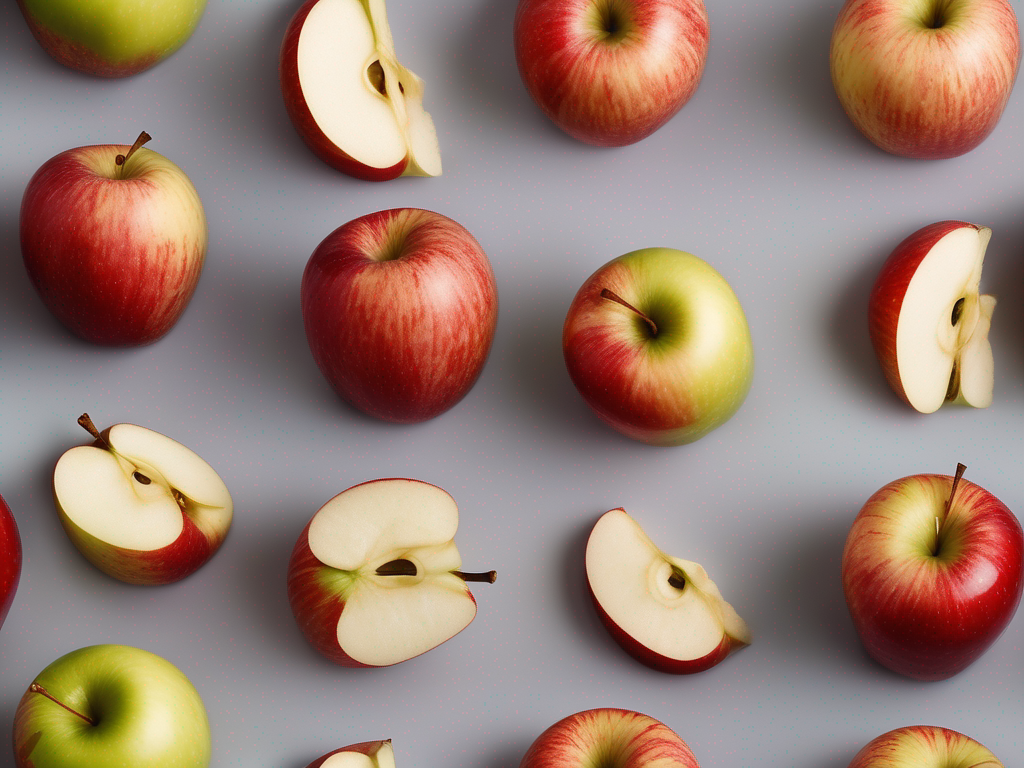
Top Tips for Storing Apples to Prevent Mold
Top Tips for Storing Apples to Prevent Mold
Apples are not only delicious and nutritious fruits but they are also versatile for cooking, baking, and snacking. However, improper storage can lead to mold growth, causing the apples to spoil faster. To ensure your apples stay fresh and mold-free for longer, follow these top tips for storing apples. (Apple)
Understanding Apple Storage Basics
Before diving into the specific tips for storing apples, it's essential to understand the basics of apple storage. Here are a few key points to keep in mind:
Factors Affecting Apple Storage
- Temperature: Apples should be stored at a cool temperature, ideally around 30-35°F, to slow down ripening and prevent mold growth.
- Humidity: Apples should be stored in a moderately humid environment to prevent them from drying out.
- Air Circulation: Proper air circulation is crucial to prevent moisture buildup, which can lead to mold growth.
- Isolation: Apples should be stored away from other fruits and vegetables that release ethylene gas, which can speed up the ripening process.
Top Tips for Storing Apples
Now that you understand the basics of apple storage, let's explore some practical tips to help you keep your apples fresh and mold-free:
Proper airflow and humidity control can significantly extend produce freshness. Many households use produce storage containers (Amazon) in the refrigerator to regulate moisture and slow spoilage.
1. Choose the Right Apples
Not all apples are created equal when it comes to storage. Some varieties are better suited for long-term storage than others. Here are some apple varieties known for their excellent storage qualities:
- Granny Smith
- Fuji
- Honeycrisp
- Gala
2. Inspect the Apples Before Storage
Before storing apples, it's essential to inspect them for any signs of damage or bruising. Damaged apples are more prone to mold growth and can spoil the entire batch. Discard any apples that show signs of damage.
3. Store Apples in a Cool, Dark Place
To prevent mold growth, store apples in a cool, dark place, such as a cellar, pantry, or refrigerator. Avoid storing apples near sources of heat or direct sunlight, as this can speed up the ripening process and promote mold growth.
4. Use Proper Containers for Storage
Proper storage containers can make a significant difference in prolonging the shelf life of apples. Consider the following options:
- Perforated Plastic Bags: These bags allow for proper air circulation while maintaining humidity levels.
- Mesh Bags: Ideal for storing apples in the refrigerator, as they provide ventilation.
- Cardboard Boxes: Line cardboard boxes with perforated plastic bags to store apples in bulk.
5. Check and Rotate Your Apples Regularly
To ensure that your stored apples remain fresh, check them regularly for any signs of spoilage or mold. Rotate the apples in the storage container to prevent bruising and ensure even airflow.
6. Avoid Washing Apples Before Storing
While it's essential to wash apples before consuming them, avoid washing them before storage. Moisture on the surface of the apples can promote mold growth. Instead, rinse the apples right before eating or using them.
Conclusion
By following these top tips for storing apples, you can prolong the freshness of your apples and prevent mold growth. Proper storage conditions, regular inspection, and using the right containers are key to ensuring that your apples stay crisp and delicious for longer. Remember to check your stored apples regularly and enjoy them in various recipes or as a healthy snack.
With these simple yet effective tips, you can enjoy the goodness of apples all year round without worrying about mold or spoilage. (Apple)
Related Posts
Here are some other articles you might find helpful:
Authoritative Food Safety References
These agencies and university labs inform every tip and health precaution we publish.
USDA FoodKeeper – Cold Storage Guidelines
Official refrigerator, freezer, and pantry timelines maintained by the U.S. Department of Agriculture.
Visit USDA FoodKeeperFDA Produce Safety Rule & Grower Guidance
Field-to-fridge handling practices that prevent contamination of fruits, vegetables, and leafy greens.
Visit FDA Produce SafetyCDC Foodborne Illness Prevention Hub
Surveillance-backed guidance on pathogens, symptoms, and steps to reduce foodborne illness risk.
Visit CDC Food SafetyUC Davis Postharvest Technology Center
University research detailing optimal storage atmospheres for produce after harvest.
Visit UC Davis PostharvestPenn State Extension – Home Food Preservation & Safety
Peer-reviewed extension bulletins on safe canning, chilling, and reheating practices.
Visit Penn State ExtensionDisclosure: As an Amazon Associate, we earn from qualifying purchases. This helps support our site and allows us to continue providing free food safety information.