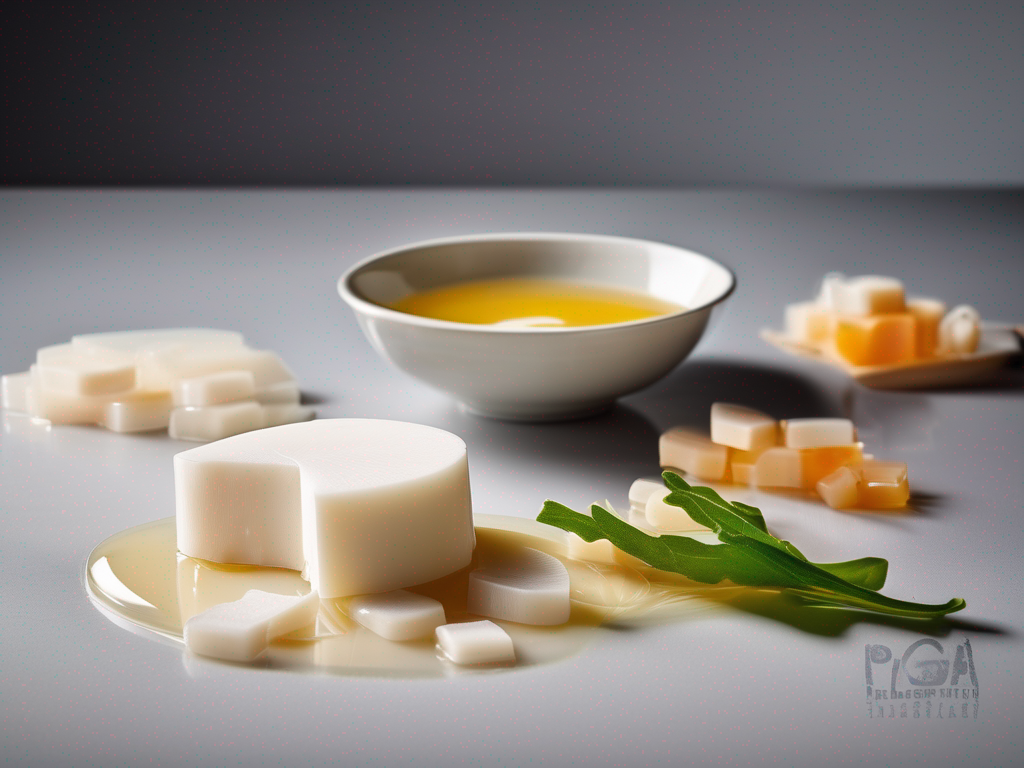
Top Tips for Preserving Agar Freshness in the Pantry
Top Tips for Preserving Agar Freshness in the Pantry
Agar, a versatile vegetarian substitute for gelatin, is a popular ingredient in various dishes, from desserts to savory dishes. To ensure that your agar stays fresh and potent for as long as possible, proper storage is essential. In this blog post, we will discuss some top tips for preserving agar freshness in your pantry. (Agar)
Understanding Agar
Before diving into the tips for preserving agar, it's essential to understand what agar is and why it needs proper storage. Agar is a natural gelling agent derived from seaweed, commonly used in cooking and food preparation. It is known for its ability to create firm gels at room temperature, making it a valuable ingredient in vegan and vegetarian cooking.
Tip 1: Choose the Right Packaging
The first step in preserving agar freshness is to choose the right packaging. When purchasing agar, opt for airtight packaging that will help protect the product from moisture and air exposure, both of which can degrade its quality over time.
Subtip:
- Look for agar powder or flakes packaged in resealable bags or containers.
Tip 2: Store in a Cool, Dark Place
Agar is sensitive to light, heat, and moisture, all of which can accelerate its degradation. To extend the shelf life of agar, store it in a cool, dark place away from direct sunlight and heat sources, such as stoves or ovens.
Subtip:
- Avoid storing agar near appliances that generate heat, such as microwaves or toasters.
Tip 3: Monitor Humidity Levels
Humidity can cause agar to clump and lose its effectiveness. To prevent moisture absorption, store agar in a dry environment with controlled humidity levels. Using desiccants or silica gel packets can help absorb excess moisture and maintain the quality of the agar.
Subtip:
- Check the humidity levels in your pantry regularly and adjust storage conditions as needed.
Tip 4: Label and Date the Packaging
To keep track of the agar's freshness and usage, it's essential to label the packaging with the purchase date and expiration date, if available. Additionally, labeling the packaging with the type of agar (powder or flakes) can help you easily identify it in your pantry.
Subtip:
- Use a permanent marker or labels to clearly mark the packaging with relevant information.
Tip 5: Rotate Stock Regularly
Agar, like other pantry staples, should be rotated regularly to ensure that older stock is used first. By practicing first-in, first-out (FIFO) rotation, you can prevent agar from sitting unused for extended periods, which can lead to quality deterioration.
Subtip:
- Conduct a pantry inventory regularly to assess the freshness of your agar supply and plan its use accordingly.
Conclusion
Preserving agar freshness in the pantry is crucial for maintaining its quality and effectiveness in cooking and food preparation. By following these top tips, you can ensure that your agar remains fresh, potent, and ready to use whenever you need it. Remember to store agar in airtight packaging, in a cool, dark place with controlled humidity levels, and to label and rotate your stock regularly. With proper storage and care, your agar can continue to enhance your culinary creations for an extended period. (Agar)
Related Posts
Here are some other articles you might find helpful:
Authoritative Food Safety References
These agencies and university labs inform every tip and health precaution we publish.
USDA FoodKeeper – Cold Storage Guidelines
Official refrigerator, freezer, and pantry timelines maintained by the U.S. Department of Agriculture.
Visit USDA FoodKeeperFDA Produce Safety Rule & Grower Guidance
Field-to-fridge handling practices that prevent contamination of fruits, vegetables, and leafy greens.
Visit FDA Produce SafetyCDC Foodborne Illness Prevention Hub
Surveillance-backed guidance on pathogens, symptoms, and steps to reduce foodborne illness risk.
Visit CDC Food SafetyUC Davis Postharvest Technology Center
University research detailing optimal storage atmospheres for produce after harvest.
Visit UC Davis PostharvestPenn State Extension – Home Food Preservation & Safety
Peer-reviewed extension bulletins on safe canning, chilling, and reheating practices.
Visit Penn State Extension