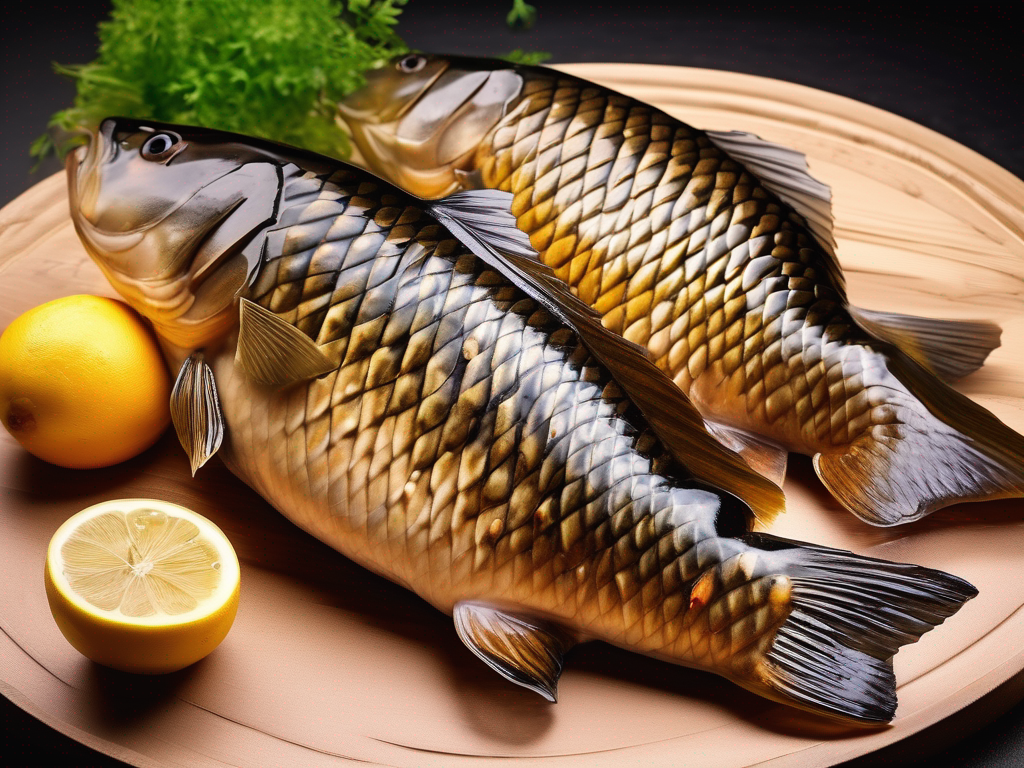
Top Tips for Extending the Shelf Life of Cooked Common Carp
Top Tips for Extending the Shelf Life of Cooked Common Carp
Common carp is a popular and delicious fish that can be enjoyed in various culinary preparations. Whether you've caught a fresh carp or bought it from a store, knowing how to properly store and extend the shelf life of cooked common carp is essential to ensure its quality and safety. In this blog post, we'll discuss some top tips for maximizing the shelf life of cooked common carp, keeping it fresh and tasty for longer. (Common carp)
Understanding the Shelf Life of Cooked Common Carp
Before delving into storage tips, it's crucial to understand the typical shelf life of cooked common carp. Proper storage practices can help maintain the fish's quality and safety, preventing spoilage and potential foodborne illnesses. Here are some key points to keep in mind:
Factors Affecting Shelf Life:
- Temperature: Cooked fish should be stored at the right temperature to slow down bacterial growth.
- Moisture: Excess moisture can lead to bacterial growth and spoilage.
- Air Exposure: Proper packaging and minimizing air exposure can help preserve the fish.
- Contamination: Avoid cross-contamination with other foods to prevent foodborne illnesses.
Top Tips for Extending the Shelf Life of Cooked Common Carp
1. Proper Storage Immediately After Cooking
- Allow the cooked common carp to cool to room temperature before storing.
- Store the fish in airtight containers or wrap it tightly in plastic wrap to minimize air exposure.
- Refrigerate the cooked carp promptly, ideally within two hours of cooking.
2. Refrigeration Guidelines
- Store cooked common carp in the refrigerator at a temperature below 40°F (4°C).
- Place the fish in the coldest part of the refrigerator, typically the back shelves or the bottom shelf.
- Use a shallow container to store the carp to ensure even cooling and prevent bacterial growth.
3. Freezing Cooked Common Carp
- If you want to extend the shelf life further, consider freezing the cooked common carp.
- Wrap the fish tightly in moisture-proof packaging such as freezer bags or aluminum foil.
- Label the packaging with the date of freezing to track its shelf life.
4. Proper Thawing Techniques
- When ready to use frozen cooked common carp, thaw it in the refrigerator overnight.
- Avoid thawing fish at room temperature, as this can promote bacterial growth.
- Once thawed, the fish should be consumed within 1-2 days for the best quality.
5. Monitoring and Smelling the Fish
- Before consuming cooked common carp, always check for any signs of spoilage.
- Discard the fish if it has an off smell, slimy texture, or unusual discoloration.
- Trust your senses and prioritize safety when in doubt about the fish's freshness.
Conclusion
By following these top tips for extending the shelf life of cooked common carp, you can enjoy this flavorful fish for longer periods while ensuring food safety. Proper storage practices, refrigeration, freezing, and monitoring for spoilage are key aspects of maintaining the quality and safety of cooked common carp. Remember to handle and store fish with care to savor its delicious taste in every dish.
Seafood is highly perishable and requires consistent cold storage. A refrigerator thermometer (Amazon) helps ensure your refrigerator maintains safe temperatures (40°F or below) to prevent spoilage.
For more information on common carp recipes and cooking tips, check out our [common carp](/food/common carp) guide. Happy cooking and enjoy your freshly prepared common carp dishes! (Common carp)
Related Posts
Here are some other articles you might find helpful:
Authoritative Food Safety References
These agencies and university labs inform every tip and health precaution we publish.
USDA FoodKeeper – Cold Storage Guidelines
Official refrigerator, freezer, and pantry timelines maintained by the U.S. Department of Agriculture.
Visit USDA FoodKeeperFDA Produce Safety Rule & Grower Guidance
Field-to-fridge handling practices that prevent contamination of fruits, vegetables, and leafy greens.
Visit FDA Produce SafetyCDC Foodborne Illness Prevention Hub
Surveillance-backed guidance on pathogens, symptoms, and steps to reduce foodborne illness risk.
Visit CDC Food SafetyUC Davis Postharvest Technology Center
University research detailing optimal storage atmospheres for produce after harvest.
Visit UC Davis PostharvestPenn State Extension – Home Food Preservation & Safety
Peer-reviewed extension bulletins on safe canning, chilling, and reheating practices.
Visit Penn State ExtensionDisclosure: As an Amazon Associate, we earn from qualifying purchases. This helps support our site and allows us to continue providing free food safety information.