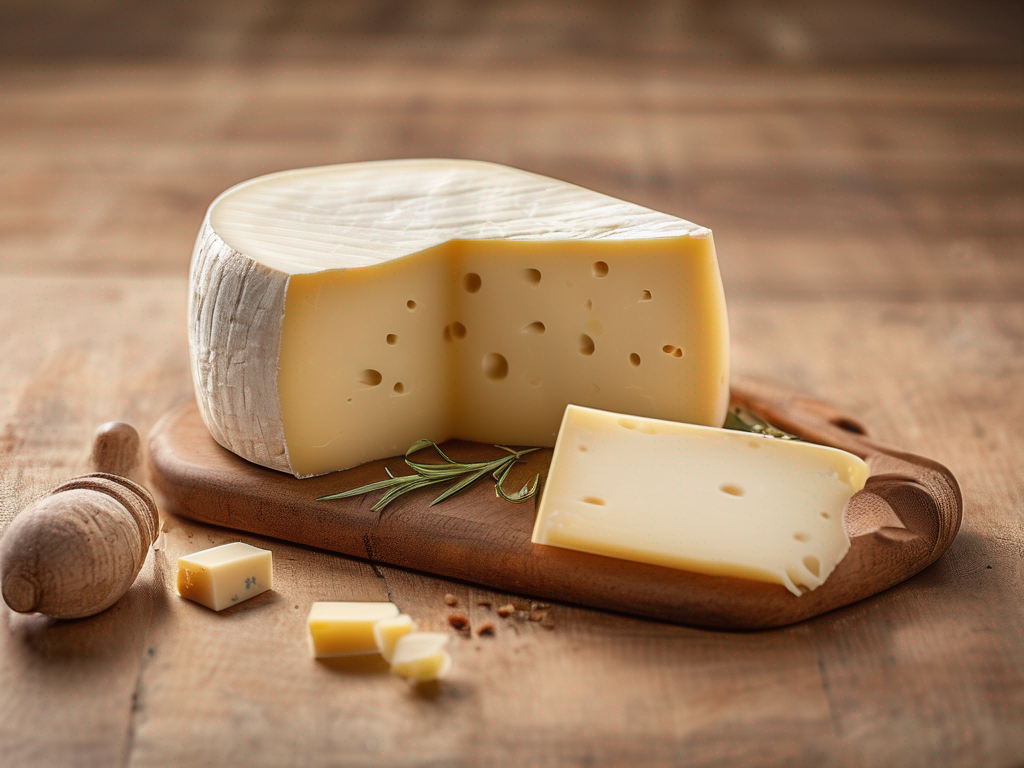
Maximizing the Shelf Life of Unopened Asiago Cheese
Maximizing the Shelf Life of Unopened Asiago Cheese
Asiago cheese is a beloved Italian cheese known for its nutty flavor and versatile uses in various dishes. To ensure the longevity of this delicious cheese, proper storage is crucial. In this blog post, we'll explore some effective tips for storing unopened Asiago cheese to extend its shelf life and maintain its quality. (Asiago cheese unopened)
Understanding the Importance of Proper Storage
Proper storage of Asiago cheese is essential to prevent spoilage, maintain freshness, and uphold food safety standards. By following the recommended guidelines for storing unopened Asiago cheese, you can enjoy its full flavor and quality for an extended period.
Factors Affecting the Shelf Life of Asiago Cheese
Several factors can impact the shelf life of Asiago cheese, including:
Dairy products require consistent cold storage to prevent spoilage and bacterial growth. A refrigerator thermometer (Amazon) helps ensure your refrigerator maintains safe temperatures (40°F or below).
- Temperature
- Humidity
- Exposure to light
- Packaging
Understanding these factors is crucial in determining the best storage practices for unopened Asiago cheese.
Tips for Storing Unopened Asiago Cheese
To maximize the shelf life of unopened Asiago cheese, consider the following tips:
-
Choose the Right Storage Location:
💡After opening, transferring dairy into an airtight container (Amazon) can reduce odor absorption, limit moisture exposure, and help slow bacterial growth.
- Store unopened Asiago cheese in the refrigerator to maintain a cool and consistent temperature.
- Avoid placing the cheese near areas with temperature fluctuations, such as the refrigerator door or top shelves.
-
Use Proper Packaging:
- Keep the original packaging intact to protect the cheese from moisture and external odors.
- If the original packaging is damaged, transfer the cheese to an airtight container or wrap it in wax paper followed by plastic wrap.
-
Maintain Ideal Temperature and Humidity:
- Store Asiago cheese at temperatures between 35-45°F (1-7°C) to slow down bacterial growth.
- Keep the cheese in the refrigerator's cheese or deli drawer, which offers slightly higher humidity levels than the main compartment.
-
Prevent Cross-Contamination:
- Store Asiago cheese away from other strong-smelling foods to prevent flavor transfer.
- Keep the cheese in a separate cheese drawer or section of the refrigerator to avoid cross-contamination.
-
Check for Signs of Spoilage:
- Before consuming Asiago cheese, check for any signs of mold, off smells, or unusual texture.
- If the cheese shows any signs of spoilage, discard it immediately to prevent foodborne illness.
Conclusion
Proper storage of unopened Asiago cheese is key to maintaining its quality and extending its shelf life. By following the tips outlined in this blog post, you can ensure that your Asiago cheese stays fresh, flavorful, and safe for consumption. Remember to store the cheese in the refrigerator, use appropriate packaging, and monitor for any signs of spoilage. Enjoy the delicious taste of Asiago cheese by storing it properly and savoring its rich flavors for as long as possible. (Asiago cheese unopened)
Authoritative Food Safety References
These agencies and university labs inform every tip and health precaution we publish.
USDA FoodKeeper – Cold Storage Guidelines
Official refrigerator, freezer, and pantry timelines maintained by the U.S. Department of Agriculture.
Visit USDA FoodKeeperFDA Produce Safety Rule & Grower Guidance
Field-to-fridge handling practices that prevent contamination of fruits, vegetables, and leafy greens.
Visit FDA Produce SafetyCDC Foodborne Illness Prevention Hub
Surveillance-backed guidance on pathogens, symptoms, and steps to reduce foodborne illness risk.
Visit CDC Food SafetyUC Davis Postharvest Technology Center
University research detailing optimal storage atmospheres for produce after harvest.
Visit UC Davis PostharvestPenn State Extension – Home Food Preservation & Safety
Peer-reviewed extension bulletins on safe canning, chilling, and reheating practices.
Visit Penn State ExtensionDisclosure: As an Amazon Associate, we earn from qualifying purchases. This helps support our site and allows us to continue providing free food safety information.