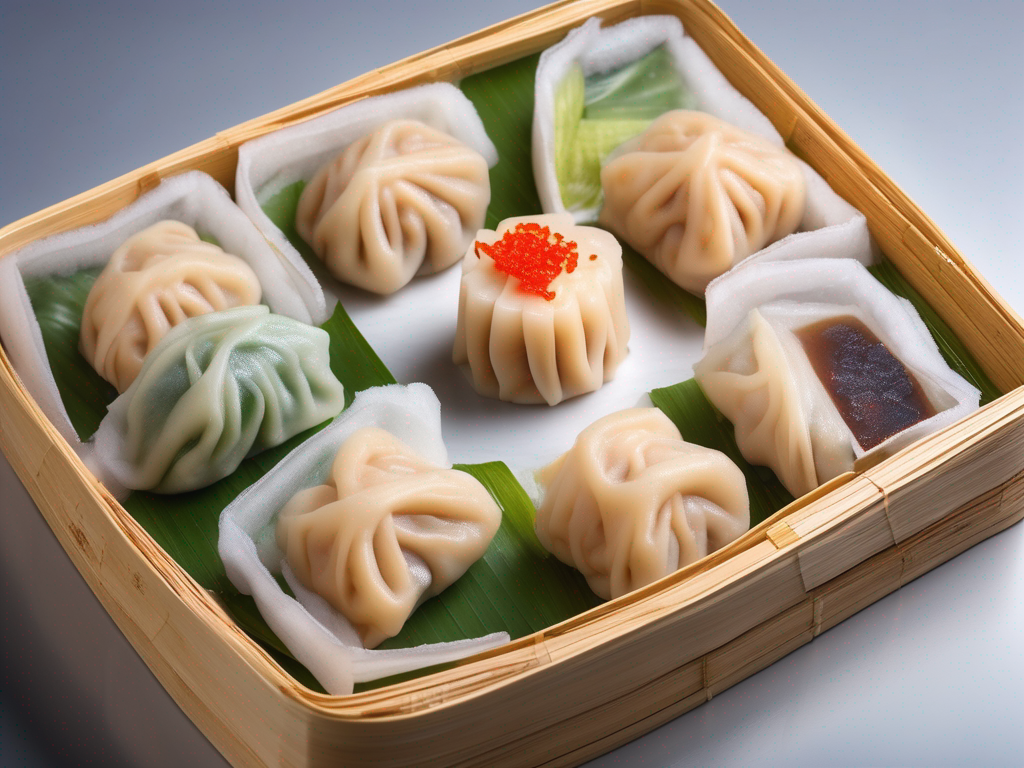
Tips for Properly Storing Frozen Dim Sum in the Freezer
Tips for Properly Storing Frozen Dim Sum in the Freezer
Dim sum is a popular and delicious Chinese cuisine that comes in various forms, such as dumplings, buns, and rolls. [Frozen dim sum](/food/frozen dim sum) is convenient for quick meals at home, but proper storage is essential to maintain its quality, taste, and safety. In this blog post, we will discuss some practical tips for storing frozen dim sum in the freezer. (Frozen dim sum)
Understanding Frozen Dim Sum
Before diving into storage tips, it's important to understand what frozen dim sum is and how it differs from fresh dim sum:
What is Frozen Dim Sum?
- Frozen dim sum refers to pre-cooked or partially cooked dim sum that has been frozen to extend its shelf life.
- It is often available in supermarkets or specialty Asian stores and can be steamed, boiled, or pan-fried before consumption.
Proper Storage Guidelines
Follow these tips to ensure your frozen dim sum stays fresh and safe to eat:
1. Check the Packaging
- Inspect the packaging for any tears, punctures, or signs of freezer burn.
- Ensure that the packaging is airtight to prevent freezer burn and contamination.
2. Maintain the Freezer Temperature
- Set your freezer temperature to 0°F (-18°C) or below to keep the dim sum frozen solid.
- Fluctuating temperatures can affect the quality of the dim sum, so avoid frequent opening of the freezer door.
3. Arrange Properly in the Freezer
- Place the frozen dim sum in the coldest part of the freezer, away from the door.
- Store dim sum in a single layer on a flat surface to prevent them from sticking together.
4. Label and Date the Packages
- Use labels to indicate the type of dim sum and the date it was frozen.
- Follow the "first in, first out" rule to ensure you use the older dim sum first.
5. Use Suitable Containers
- If you plan to transfer dim sum to a different container, use freezer-safe bags or airtight containers.
- Proper containers help prevent freezer burn and odors from affecting the dim sum.
Safety Precautions
While frozen dim sum is convenient, it's crucial to follow safety precautions to prevent foodborne illnesses:
Thawing Guidelines
- Thaw frozen dim sum in the refrigerator overnight or follow the package instructions for quick thawing methods.
- Avoid leaving dim sum at room temperature for an extended period to prevent bacterial growth.
Cooking Instructions
- Cook frozen dim sum thoroughly according to the package instructions to kill any harmful bacteria.
- Ensure that the internal temperature of the dim sum reaches 165°F (74°C) for safe consumption.
Storage Duration
- Follow the recommended storage duration on the packaging or consume the frozen dim sum within 1-2 months for the best quality.
- Discard any dim sum that shows signs of freezer burn, off odors, or changes in texture.
Conclusion
Properly storing frozen dim sum in the freezer is key to preserving its taste, quality, and safety. By following the guidelines mentioned in this post, you can enjoy delicious dim sum meals at home with confidence. Remember to check the packaging, maintain freezer temperature, label and date packages, use suitable containers, and follow safety precautions during thawing and cooking. With these tips, your frozen dim sum will always be a delightful treat ready to enjoy at any time. (Frozen dim sum)
Related Posts
Here are some other articles you might find helpful:
Authoritative Food Safety References
These agencies and university labs inform every tip and health precaution we publish.
USDA FoodKeeper – Cold Storage Guidelines
Official refrigerator, freezer, and pantry timelines maintained by the U.S. Department of Agriculture.
Visit USDA FoodKeeperFDA Produce Safety Rule & Grower Guidance
Field-to-fridge handling practices that prevent contamination of fruits, vegetables, and leafy greens.
Visit FDA Produce SafetyCDC Foodborne Illness Prevention Hub
Surveillance-backed guidance on pathogens, symptoms, and steps to reduce foodborne illness risk.
Visit CDC Food SafetyUC Davis Postharvest Technology Center
University research detailing optimal storage atmospheres for produce after harvest.
Visit UC Davis PostharvestPenn State Extension – Home Food Preservation & Safety
Peer-reviewed extension bulletins on safe canning, chilling, and reheating practices.
Visit Penn State Extension