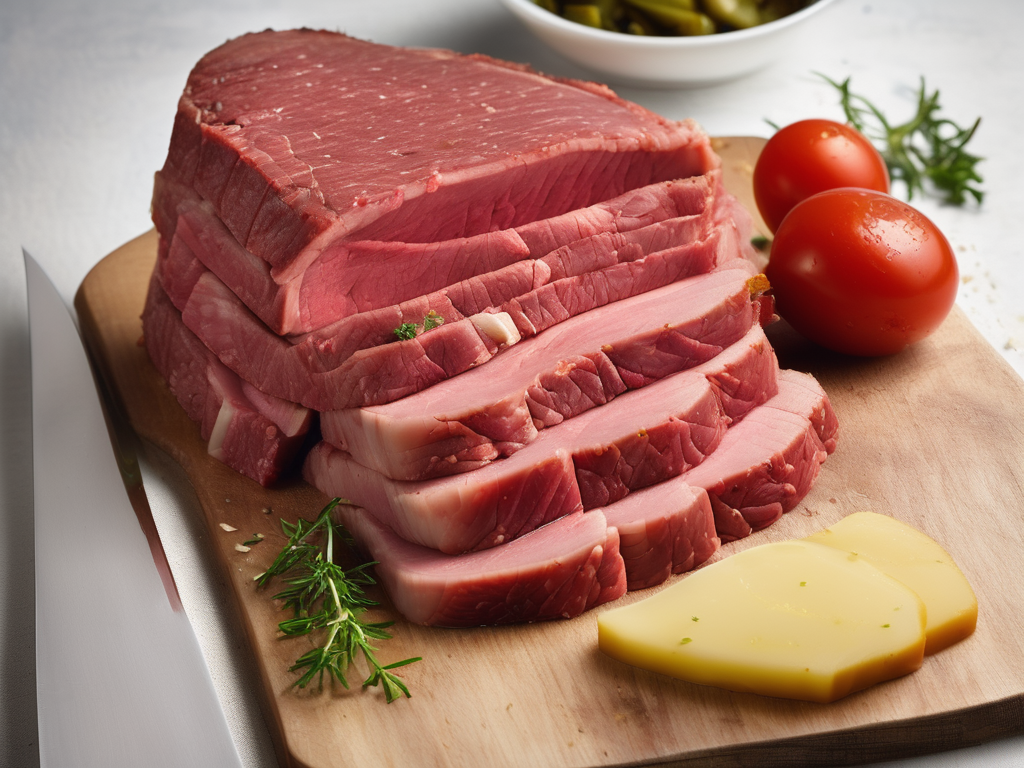
Tips for Preserving the Flavor and Texture of Corned Beef Cooked in the Refrigerator
Tips for Preserving the Flavor and Texture of Corned Beef Cooked in the Refrigerator
Corned beef is a flavorful and versatile dish that can be enjoyed in various ways. Whether you've cooked a large batch of corned beef or have leftovers from a festive meal, knowing how to properly store and preserve it in the refrigerator is essential to maintain its flavor and texture. In this blog post, we will explore some practical tips for preserving the deliciousness of your corned beef cooked in the refrigerator. (Corned beef cooked)
Understanding Corned Beef
Before delving into storage tips, it's important to understand what corned beef is. Corned beef is a cured meat product made from beef brisket, typically cured in a seasoned brine. It is a popular dish, especially during St. Patrick's Day celebrations, but can be enjoyed year-round in various recipes such as sandwiches, salads, and casseroles. Corned beef can be cooked using different methods, including boiling, slow cooking, or pressure cooking, resulting in a tender and flavorful meat.
Proper Storage of Cooked Corned Beef
After cooking corned beef, proper storage is crucial to maintain its quality and prevent foodborne illnesses. Here are some essential tips for storing cooked corned beef in the refrigerator:
Proper cooking temperatures are essential for food safety. An instant-read food thermometer (Amazon) helps ensure meat reaches safe internal temperatures and reduces the risk of foodborne illness.
1. Cool Down Quickly
- Allow the cooked corned beef to cool down at room temperature for no more than 2 hours before refrigerating.
- Dividing the meat into smaller portions can help it cool down faster and more evenly.
2. Store in Airtight Containers
- Transfer the cooked corned beef into airtight containers or resealable bags to prevent exposure to air and moisture.
- Make sure the containers are leak-proof to avoid cross-contamination with other foods in the refrigerator.
3. Label and Date
- Properly label the containers with the date of cooking to track the freshness of the corned beef.
- Use labels to indicate the contents and date to avoid confusion and ensure timely consumption.
4. Optimal Temperature
- Store the cooked corned beef in the refrigerator at a temperature below 40°F (4°C) to inhibit bacterial growth.
- Use a refrigerator thermometer to monitor and maintain the ideal temperature for food safety.
5. Consume Within Timeframe
- Cooked corned beef can typically be stored in the refrigerator for 3-4 days.
- Discard any leftovers that have been in the refrigerator for longer than the recommended timeframe to prevent foodborne illnesses.
Tips for Preserving Flavor and Texture
To ensure that your cooked corned beef retains its flavor and texture when stored in the refrigerator, consider the following tips:
1. Store with Broth or Gravy
- Keeping the cooked corned beef submerged in its cooking liquid, broth, or gravy can help maintain moisture and prevent dryness.
- The liquid will also help preserve the flavor and enhance the meat's juiciness when reheated.
2. Reheat Properly
- When reheating cooked corned beef, do so gently and evenly to prevent it from becoming tough or dry.
- Use methods such as simmering in broth, steaming, or microwaving with a bit of water to retain moisture.
3. Avoid Freezing
- While cooked corned beef can be frozen, it may affect the texture and taste upon thawing.
- If possible, consume the cooked corned beef within a few days to enjoy it at its best quality.
4. Use in Recipes
- Incorporate leftover cooked corned beef into recipes such as hash, sandwiches, salads, or casseroles to extend its usage and flavor.
- Mixing the meat with other ingredients can help enhance its taste and revitalize leftovers.
Conclusion
Proper storage and handling of cooked corned beef are essential to preserve its flavor and texture when stored in the refrigerator. By following the tips mentioned above, you can enjoy delicious corned beef dishes while ensuring food safety and quality. Remember to cool down the meat quickly, store it properly, consume it within the recommended timeframe, and consider creative ways to use leftovers. With these guidelines, you can savor the delectable taste of corned beef even after it has been cooked and refrigerated.
For more information on [corned beef cooked](/food/corned beef cooked) and other food safety tips, stay tuned for our upcoming blog posts! (Corned beef cooked)
Refrigerator temperature fluctuations can accelerate spoilage and increase food safety risks. A refrigerator thermometer (Amazon) helps monitor consistent cold storage (40°F or below).
Related Posts
Here are some other articles you might find helpful:
Authoritative Food Safety References
These agencies and university labs inform every tip and health precaution we publish.
USDA FoodKeeper – Cold Storage Guidelines
Official refrigerator, freezer, and pantry timelines maintained by the U.S. Department of Agriculture.
Visit USDA FoodKeeperFDA Produce Safety Rule & Grower Guidance
Field-to-fridge handling practices that prevent contamination of fruits, vegetables, and leafy greens.
Visit FDA Produce SafetyCDC Foodborne Illness Prevention Hub
Surveillance-backed guidance on pathogens, symptoms, and steps to reduce foodborne illness risk.
Visit CDC Food SafetyUC Davis Postharvest Technology Center
University research detailing optimal storage atmospheres for produce after harvest.
Visit UC Davis PostharvestPenn State Extension – Home Food Preservation & Safety
Peer-reviewed extension bulletins on safe canning, chilling, and reheating practices.
Visit Penn State ExtensionDisclosure: As an Amazon Associate, we earn from qualifying purchases. This helps support our site and allows us to continue providing free food safety information.