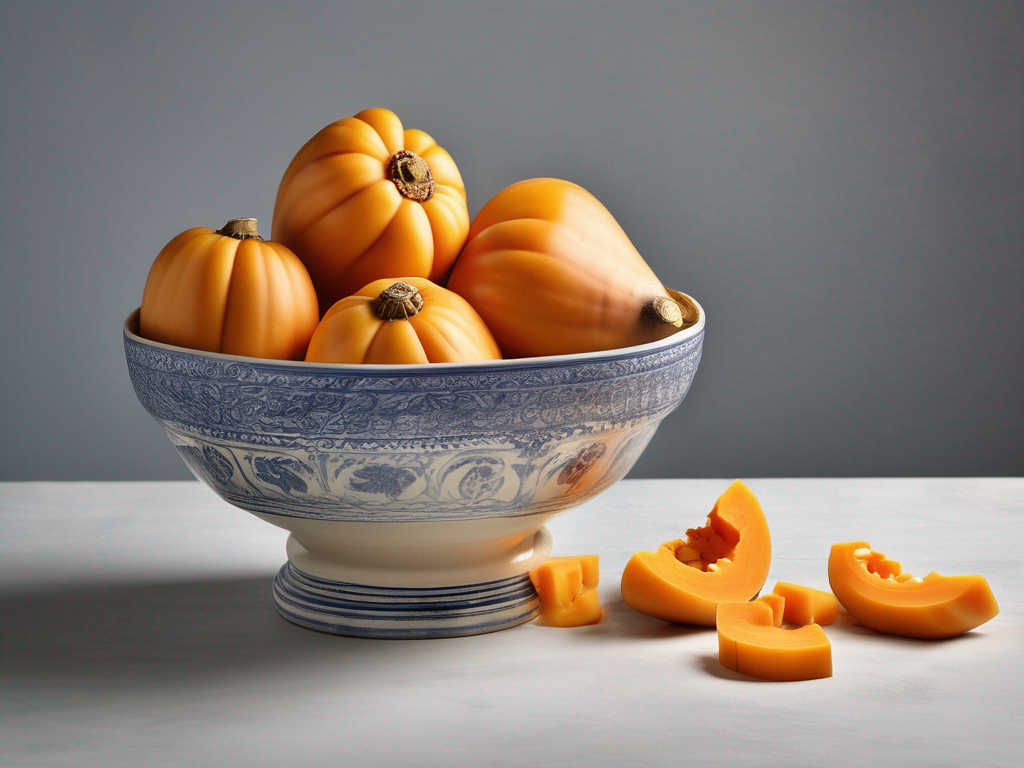
Preserving Leftover Butternut: Tips to Prevent Waste and Save Money
Preserving Leftover Butternut: Tips to Prevent Waste and Save Money
Are you a fan of butternut squash but often find yourself with leftovers that you're not sure how to use before they go bad? Well, worry no more! In this comprehensive guide, we'll explore various tips and techniques for preserving leftover butternut squash to prevent waste and save money. Butternut squash is not only delicious and versatile but also packed with nutrients like vitamin A, vitamin C, and fiber. By learning how to properly store and preserve leftover butternut squash, you can enjoy its benefits for longer periods while reducing food waste. (Butternut)
Understanding the Shelf Life of Butternut Squash
Before we delve into preservation methods, it's essential to understand the typical shelf life of butternut squash. When stored properly, whole butternut squash can last for several weeks to months. However, once the squash is cut or cooked, its shelf life decreases significantly. Cooked butternut squash should be consumed within 3-5 days if refrigerated. Therefore, it's crucial to have a plan for preserving any leftover butternut squash to avoid spoilage.
Tips for Preserving Leftover Butternut Squash
-
Refrigeration:
💡Dairy products require consistent cold storage to prevent spoilage and bacterial growth. A refrigerator thermometer (Amazon) helps ensure your refrigerator maintains safe temperatures (40°F or below).
- Store cooked butternut squash in an airtight container in the refrigerator.
- Ensure that the squash is cooled to room temperature before refrigerating to prevent condensation and mold growth.
- Use the squash within 3-5 days for optimal freshness.
-
Freezing:
- Freezing is an excellent way to preserve leftover butternut squash for an extended period.
- Cut the squash into desired portions or cubes and place them on a baking sheet lined with parchment paper.
- Freeze the squash pieces until firm, then transfer them to a freezer-safe bag or container.
- Properly stored, frozen butternut squash can last for up to 6 months.
-
Pureeing:
- Turn leftover butternut squash into a creamy puree that can be used in soups, sauces, or baked goods.
- Blend the cooked squash until smooth, then portion it into ice cube trays or airtight containers.
- Freeze the puree for convenient use in future recipes.
-
Dehydrating:
- Dehydrating butternut squash is another method of preservation that can extend its shelf life.
- Slice the squash thinly and place the slices on a dehydrator tray.
- Dehydrate the squash at a low temperature until fully dried.
- Store the dehydrated squash in an airtight container in a cool, dry place.
Safety Tips for Preserving Butternut Squash
- Always wash and sanitize your hands, utensils, and work surfaces before handling butternut squash to prevent cross-contamination.
- When reheating leftover butternut squash, ensure it reaches a safe internal temperature of 165°F (74°C) to kill any harmful bacteria.
- Discard any leftover squash that shows signs of spoilage, such as mold, off-odor, or sliminess.
Creative Ways to Use Preserved Butternut Squash
Now that you've learned how to preserve leftover butternut squash effectively, let's explore some creative ways to use your preserved squash:
-
Butternut Squash Soup: Use frozen or pureed butternut squash to whip up a comforting and creamy soup perfect for chilly days.
-
Roasted Butternut Squash Salad: Add dehydrated butternut squash slices to salads for a crunchy and flavorful twist.
-
Butternut Squash Pasta Sauce: Incorporate pureed butternut squash into pasta sauces for a velvety texture and sweet flavor.
-
Butternut Squash Muffins: Use frozen butternut squash puree in baked goods like muffins or bread for added moisture and nutrients.
Conclusion
Preserving leftover butternut squash is not only a great way to prevent food waste but also a smart way to save money and ensure you always have this nutritious ingredient on hand. Whether you choose to refrigerate, freeze, puree, or dehydrate your leftover butternut squash, following proper storage and safety guidelines is key to maintaining its quality. Get creative in the kitchen and experiment with different recipes using your preserved butternut squash to enjoy its delicious flavor in various dishes. Start preserving your butternut squash today and reap the benefits of a well-stocked pantry and reduced food waste! (Butternut)
Authoritative Food Safety References
These agencies and university labs inform every tip and health precaution we publish.
USDA FoodKeeper – Cold Storage Guidelines
Official refrigerator, freezer, and pantry timelines maintained by the U.S. Department of Agriculture.
Visit USDA FoodKeeperFDA Produce Safety Rule & Grower Guidance
Field-to-fridge handling practices that prevent contamination of fruits, vegetables, and leafy greens.
Visit FDA Produce SafetyCDC Foodborne Illness Prevention Hub
Surveillance-backed guidance on pathogens, symptoms, and steps to reduce foodborne illness risk.
Visit CDC Food SafetyUC Davis Postharvest Technology Center
University research detailing optimal storage atmospheres for produce after harvest.
Visit UC Davis PostharvestPenn State Extension – Home Food Preservation & Safety
Peer-reviewed extension bulletins on safe canning, chilling, and reheating practices.
Visit Penn State ExtensionDisclosure: As an Amazon Associate, we earn from qualifying purchases. This helps support our site and allows us to continue providing free food safety information.