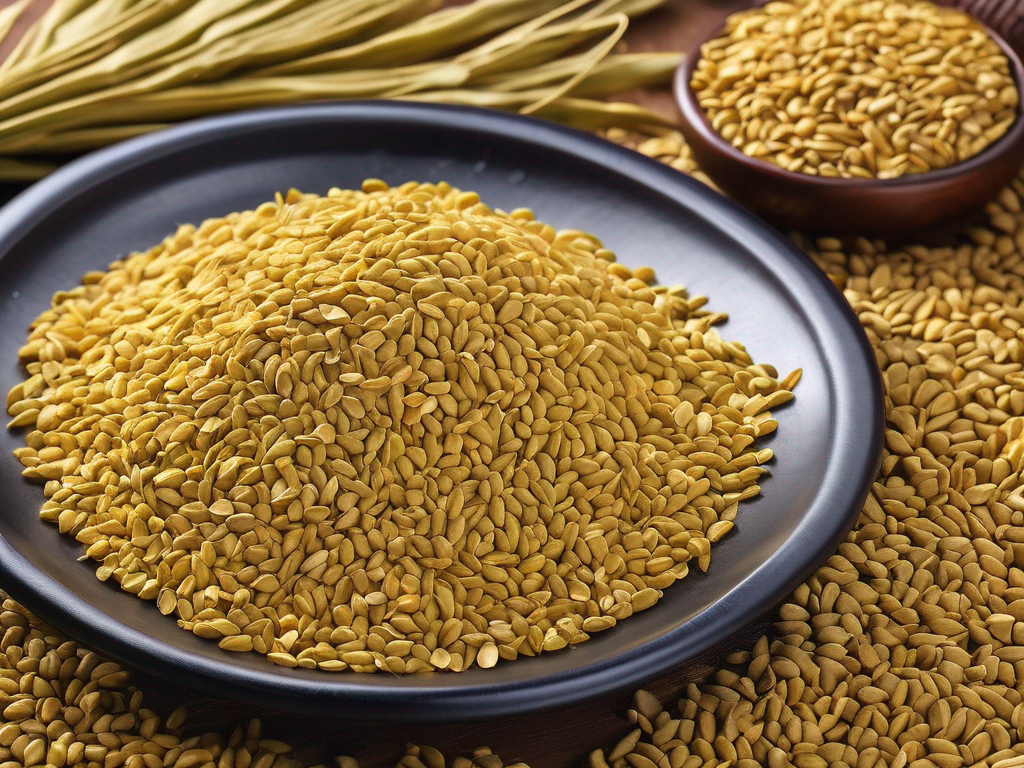
Preserving Dried Fenugreek: Tips for Long-Term Use
Preserving Dried Fenugreek: Tips for Long-Term Use
Dried fenugreek, also known as kasuri methi, is a popular herb used in Indian cuisine for its distinctive flavor and aroma. Preserving dried fenugreek properly is essential to maintain its freshness and flavor for long-term use. In this blog post, we will explore some practical tips for preserving dried fenugreek effectively. (Fenugreek)
Understanding Dried Fenugreek
Dried fenugreek leaves are widely used in Indian cooking to add a unique flavor profile to dishes such as curries, dals, and bread. Fenugreek leaves are known for their slightly bitter taste with a hint of sweetness, making them a versatile ingredient in various recipes.
Benefits of Using Dried Fenugreek
- Adds a distinct flavor to dishes
- Rich in antioxidants and nutrients
- Aids in digestion and has numerous nutritional quality
Tips for Preserving Dried Fenugreek
Proper storage is key to preserving the flavor and aroma of dried fenugreek for an extended period. Follow these tips to ensure your dried fenugreek stays fresh:
Dry foods stay fresher when protected from moisture, pests, and air exposure. Using airtight pantry containers (Amazon) helps maintain quality and extend shelf life for pantry staples.
1. Store in an Airtight Container
- Transfer the dried fenugreek leaves to an airtight container to protect them from moisture and air exposure.
- Choose a glass or plastic container with a tight-fitting lid to maintain freshness.
2. Keep Away from Heat and Light
- Store the airtight container in a cool, dark place away from heat sources, sunlight, and humidity.
- Heat and light can degrade the flavor and potency of dried fenugreek.
3. Avoid Exposure to Air
- Minimize air exposure by pressing out excess air before sealing the container.
- Air can cause the herbs to lose their flavor and potency quickly.
4. Label and Date the Container
- Label the container with the date of storage to track the freshness of the dried fenugreek.
- Proper labeling helps you use the oldest herbs first to maintain quality.
5. Check for Freshness Regularly
- Inspect the dried fenugreek leaves periodically for any signs of spoilage, such as discoloration or a musty smell.
- Replace the herbs if they appear stale or lose their aroma.
Safety Precautions
When storing dried fenugreek or any other herbs, it's essential to follow safety precautions to prevent foodborne illnesses:
- Wash your hands before handling dried fenugreek to avoid contamination.
- Check for any signs of mold or pests before storing the herbs.
- Avoid storing dried fenugreek near strong-smelling herbs or spices that can transfer flavors.
Conclusion
Preserving dried fenugreek properly is crucial to maintain its flavor and aroma for long-term use in your culinary creations. By following the tips mentioned above and storing the herbs in a cool, dark place, you can enjoy the distinct taste of fenugreek in your dishes for an extended period. Remember to check the freshness of the herbs regularly and discard any spoiled or stale fenugreek to ensure food safety.
For more information on fenugreek and its culinary uses, visit this link. Enjoy cooking with dried fenugreek and elevate the flavors of your dishes with this versatile herb! (Fenugreek)
Excess humidity can cause dry foods to clump or spoil. Adding food-safe desiccant packs (Amazon) to storage containers helps control moisture levels and extend shelf life.
Related Posts
Here are some other articles you might find helpful:
Authoritative Food Safety References
These agencies and university labs inform every tip and health precaution we publish.
USDA FoodKeeper – Cold Storage Guidelines
Official refrigerator, freezer, and pantry timelines maintained by the U.S. Department of Agriculture.
Visit USDA FoodKeeperFDA Produce Safety Rule & Grower Guidance
Field-to-fridge handling practices that prevent contamination of fruits, vegetables, and leafy greens.
Visit FDA Produce SafetyCDC Foodborne Illness Prevention Hub
Surveillance-backed guidance on pathogens, symptoms, and steps to reduce foodborne illness risk.
Visit CDC Food SafetyUC Davis Postharvest Technology Center
University research detailing optimal storage atmospheres for produce after harvest.
Visit UC Davis PostharvestPenn State Extension – Home Food Preservation & Safety
Peer-reviewed extension bulletins on safe canning, chilling, and reheating practices.
Visit Penn State ExtensionDisclosure: As an Amazon Associate, we earn from qualifying purchases. This helps support our site and allows us to continue providing free food safety information.