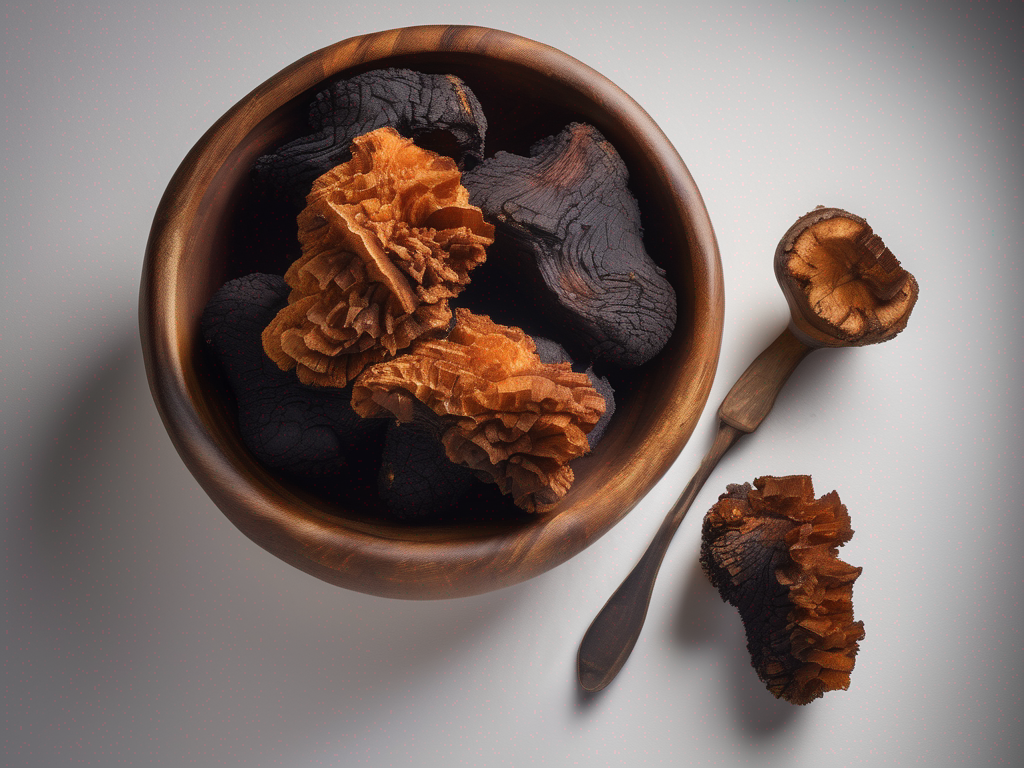
Preserving Chaga Mushroom Freshness in the Pantry
Preserving Chaga Mushroom Freshness in the Pantry
Chaga mushrooms, also known as Inonotus obliquus, are a type of fungus that grows on birch trees in cold climates. These mushrooms have been used for centuries in traditional medicine for their potential nutritional quality. Rich in antioxidants and nutrients, chaga mushrooms are increasingly popular in modern culinary and wellness practices. To fully enjoy the benefits of chaga mushrooms, it's essential to store them properly to maintain their freshness and potency. In this guide, we will explore some effective tips for preserving chaga mushroom freshness in your pantry. (Chaga mushroom)
Understanding Chaga Mushroom Freshness
Before diving into storage tips, it's crucial to understand the factors that can affect the freshness of chaga mushrooms. Here are some key points to keep in mind:
Factors Affecting Chaga Mushroom Freshness:
- Moisture: Excess moisture can lead to mold growth and spoilage.
- Light: Direct sunlight can degrade the quality of chaga mushrooms.
- Temperature: Chaga mushrooms should be stored in a cool, dry place to maintain their freshness.
- Air Exposure: Exposure to air can cause chaga mushrooms to lose their potency over time.
Tips for Preserving Chaga Mushroom Freshness
Now that we've covered the essential factors affecting chaga mushroom freshness, let's explore some practical tips for preserving them in your pantry:
1. Choose the Right Storage Container
- Use airtight containers such as glass jars or resealable bags to store chaga mushrooms.
- Ensure the container is clean and dry before placing the mushrooms inside.
2. Store in a Cool, Dark Place
- Keep chaga mushrooms away from direct sunlight and heat sources.
- Optimal storage temperature is between 50-70°F (10-21°C).
3. Monitor Moisture Levels
- Chaga mushrooms should be stored in a dry environment to prevent mold growth.
- Avoid storing them near sources of moisture, such as sinks or dishwashers.
4. Label and Date Your Chaga Mushrooms
- Proper labeling helps you track the freshness of chaga mushrooms.
- Use date labels to ensure you use the oldest mushrooms first.
5. Rotate Your Stock
- Practice the "first in, first out" rule to ensure you use the oldest chaga mushrooms first.
- Regularly check your pantry for any expired or stale mushrooms.
Safety Considerations for Preserving Chaga Mushrooms
While chaga mushrooms offer numerous nutritional quality, it's essential to follow safety guidelines when storing and consuming them. Here are some important safety considerations to keep in mind:
Safety Tips:
- Purchase from Reputable Sources: Ensure you buy chaga mushrooms from trusted suppliers to guarantee quality and safety.
- Check for Mold: Before consuming or storing chaga mushrooms, inspect them for any signs of mold or spoilage.
- Consult a Healthcare Professional: If you have any underlying health conditions or concerns, consult a healthcare provider before consuming chaga mushrooms.
Conclusion
Preserving the freshness of chaga mushrooms in your pantry is essential to fully enjoy their potential nutritional quality. By following the tips outlined in this guide and understanding the factors that impact freshness, you can ensure that your chaga mushrooms remain potent and flavorful for an extended period. Remember to store them in a cool, dark place, monitor moisture levels, and adhere to safety guidelines to make the most of these valuable fungi.
For more information on chaga mushrooms and their culinary uses, check out our [chaga mushroom](/food/chaga mushroom) guide. Happy preserving! (Chaga mushroom)
Related Posts
Here are some other articles you might find helpful:
Authoritative Food Safety References
These agencies and university labs inform every tip and health precaution we publish.
USDA FoodKeeper – Cold Storage Guidelines
Official refrigerator, freezer, and pantry timelines maintained by the U.S. Department of Agriculture.
Visit USDA FoodKeeperFDA Produce Safety Rule & Grower Guidance
Field-to-fridge handling practices that prevent contamination of fruits, vegetables, and leafy greens.
Visit FDA Produce SafetyCDC Foodborne Illness Prevention Hub
Surveillance-backed guidance on pathogens, symptoms, and steps to reduce foodborne illness risk.
Visit CDC Food SafetyUC Davis Postharvest Technology Center
University research detailing optimal storage atmospheres for produce after harvest.
Visit UC Davis PostharvestPenn State Extension – Home Food Preservation & Safety
Peer-reviewed extension bulletins on safe canning, chilling, and reheating practices.
Visit Penn State Extension