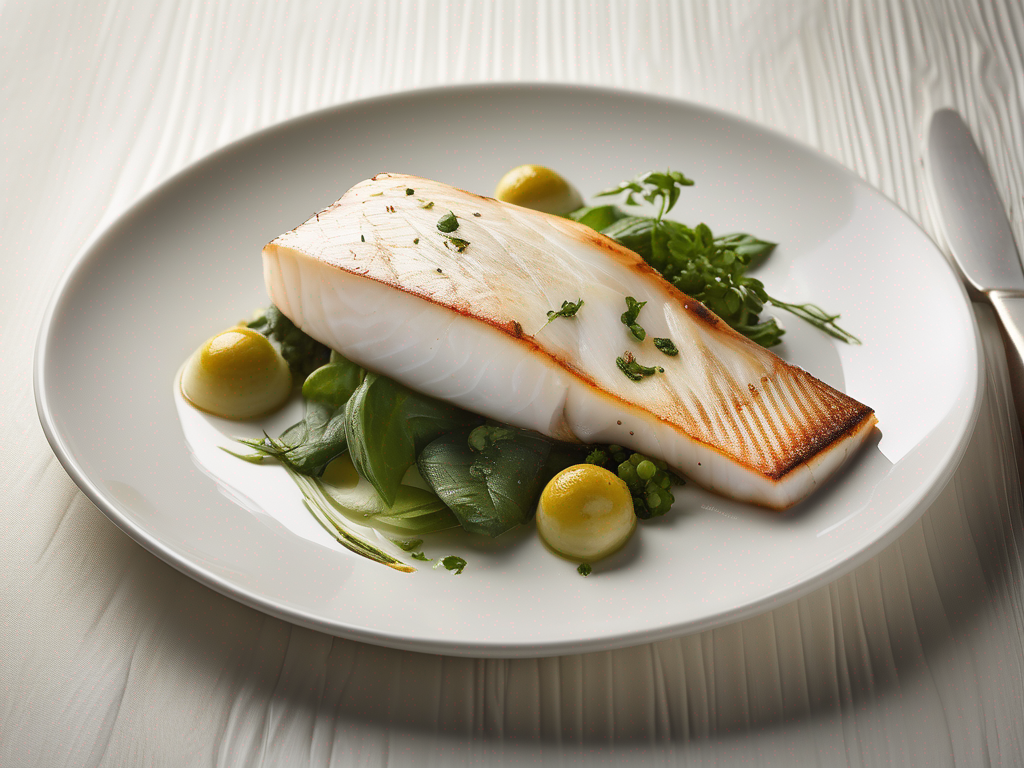
Extending the Shelf Life of Halibut Fresh Cooked in the Refrigerator
Extending the Shelf Life of Halibut Fresh Cooked in the Refrigerator
Halibut is a delicious and nutritious fish that is popular for its mild, sweet flavor and firm texture. When cooked and stored properly, fresh halibut can last for several days in the refrigerator. In this blog post, we will discuss some tips and tricks to help you extend the shelf life of halibut fresh cooked in the refrigerator. (Halibut fresh cooked)
Understanding Halibut Fresh Cooked
Halibut is a lean, white fish that is low in fat and calories but high in protein and essential nutrients such as omega-3 fatty acids. When cooked, halibut should have a firm texture and a mild, slightly sweet flavor. It is important to handle and store halibut properly to maintain its freshness and quality.
Characteristics of Fresh Cooked Halibut
- Firm texture
- Mild, sweet flavor
- White flesh
- No fishy odor
Tips for Extending Shelf Life
Proper storage is key to extending the shelf life of halibut fresh cooked in the refrigerator. Follow these tips to keep your halibut fresh and safe to eat for as long as possible:
Seafood is highly perishable and requires consistent cold storage. A refrigerator thermometer (Amazon) helps ensure your refrigerator maintains safe temperatures (40°F or below) to prevent spoilage.
1. Store at the Right Temperature
- Refrigerator Temperature: Keep your refrigerator at 40°F (4°C) or below to slow down bacterial growth and maintain the quality of the halibut.
- Avoid Temperature Fluctuations: Store halibut in the coldest part of the refrigerator, away from the door, to prevent temperature fluctuations.
2. Package Properly
- Airtight Container: Store cooked halibut in an airtight container or resealable plastic bag to prevent exposure to air and moisture, which can cause spoilage.
- Separate Portions: Divide the halibut into smaller portions before storing to make it easier to reheat and reduce the risk of contamination.
3. Use it Quickly
- Consume Within 3-4 Days: Cooked halibut should be consumed within 3-4 days for the best quality and taste.
- Labeling: Label the storage container with the date when the halibut was cooked to keep track of its freshness.
4. Reheating Safely
- Proper Reheating: When reheating cooked halibut, make sure it reaches an internal temperature of 165°F (74°C) to kill any bacteria that may have grown during storage.
- Avoid Overcooking: Reheat only the portion you plan to eat to avoid reheating the entire batch multiple times, which can affect the quality of the fish.
5. Check for Signs of Spoilage
- Smell Test: If the halibut has a strong, fishy odor or off smell, it may have spoiled and should be discarded.
- Texture: Check the texture of the halibut; if it feels slimy or mushy, it is no longer safe to eat.
common situation
Imagine it’s a Friday night, and you’ve just treated yourself to a delightful halibut dinner. You cooked more than you could eat, and now you’re left with leftovers. You’re excited to enjoy this scrumptious meal again, but you want to be sure it’s stored safely. By following the tips outlined above, you can look forward to a tasty lunch on Sunday without worry.
Alternatively, let’s say you prepared halibut for your family’s Sunday brunch. You’ve got kids who are generally not fans of fish, but they loved your halibut! You have leftovers that you wish to keep for Monday's dinner. You separate the halibut into smaller portions and store them in airtight containers. By labeling them with the cooking date, you ensure that you'll eat them before spoilage sets in — and avoid the dreaded “what’s for dinner?” question!
In another situation, Common situations include professional who cooked halibut on a Sunday evening, intending to prep meals for the week. They portion out the halibut into individual servings, pairing each with a healthy side like steamed vegetables. By employing proper storage techniques, they can look forward to nutritious lunches throughout the week without compromising safety or quality.
Proper packaging is crucial when freezing seafood. Using freezer-safe storage bags (Amazon) helps preserve texture, prevent freezer burn, and maintain quality during storage.
Scientific Context
It's not just about taste; understanding the science behind food storage can significantly enhance the safety and quality of your halibut. The primary culprit of spoilage is bacteria, which thrive in warm environments. Bacteria can double in number every 20 minutes at room temperature, which is why it’s crucial to refrigerate your halibut promptly after cooking.
Halibut, like other fish, contains moisture. While moisture is essential for flavor and texture, it also provides a friendly environment for bacteria. Hence, using airtight containers helps reduce moisture exposure and keeps your halibut fresh longer. You might also consider adding a layer of parchment paper to absorb excess moisture before sealing the container.
Additionally, the importance of pH levels cannot be overlooked. Fish, especially, can spoil quickly due to their relatively high pH. Maintaining a lower pH through careful storage can slow down the growth of harmful bacteria. This is where acids from citrus or vinegar-based marinades can not only enhance flavor but also help in preserving the fish for a little longer.
Nutritional Benefits
Beyond its delicious flavor, halibut is packed with nutritional benefits. It is an excellent source of protein, providing essential amino acids needed for muscle growth and repair. Additionally, halibut is rich in omega-3 fatty acids, which have been shown to promote heart health and support cognitive function.
In fact, many nutritionists recommend incorporating fish like halibut into your regular diet. It's not just about avoiding spoilage; it’s about making the most of the nutritious value while ensuring that it remains safe to eat.
Common Mistakes
Many people unknowingly make mistakes that can lead to spoilage. One common error is leaving cooked halibut at room temperature for too long before refrigerating it. Ideally, leftovers should be chilled within two hours of cooking to minimize the risk of bacterial growth. If you’ve cooked a large batch, consider dividing it into smaller portions right away to cool down more quickly and ensure food safety.
Another mistake is overstuffing storage containers. While it might seem convenient to use one large container, packing too tightly can lead to uneven cooling and spoilage. Instead, keep the portions smaller and allow for a bit of space to help the halibut cool evenly.
Some individuals also overlook the importance of washing their hands and kitchen utensils before handling cooked fish. Cross-contamination can easily occur if proper hygiene practices are not followed. Using clean cutting boards and utensils distinct from those used for raw seafood is essential.
Practical Tips
- Use Ice Packs: If you have a long drive home from the grocery store or a seafood market, use ice packs in your cooler to ensure your halibut stays below the safe temperature threshold.
- Freeze for Longer Storage: If you know you won’t eat your halibut within a few days, consider freezing it. While freezing can change the texture slightly, it’s an effective method to extend the shelf life for several months. Just make sure to wrap it tightly in plastic wrap before placing it in a freezer bag to prevent freezer burn.
- Utilize Marinades: When reheating your halibut, consider adding a simple marinade or sauce that can enhance moisture and flavor. This can help revitalize leftovers and prevent them from drying out during the reheating process.
- Plan Your Meals: Create a meal plan that incorporates your halibut leftovers into different recipes, such as tacos, salads, or pasta dishes, to keep meals exciting.
Expert Insights
Food safety experts recommend always being proactive in food handling. From choosing fresh fish and seeking reputable sources to practicing proper storage methods, every step plays a role in ensuring the safety of your food. For halibut, specifically, monitoring its freshness not only enhances your meal experience but also protects your health.
Experts often emphasize the importance of checking both the smell and texture of fish before consuming it. Fresh fish should have a clean aroma and firm texture; any deviation could indicate spoilage. Furthermore, they advise against washing fish before cooking, as this can lead to cross-contamination in your kitchen.
For those who love halibut, consider setting a meal schedule. By planning when you'll eat your leftovers ahead of time, you can minimize waste and enjoy your meals at their best.
Safety Warnings
Never take chances with food safety. If you ever have doubts about the freshness of your halibut, it’s better to err on the side of caution. Consuming spoiled fish can lead to foodborne illnesses, which can be severe. Symptoms might include nausea, vomiting, and diarrhea. Always trust your instincts—when in doubt, throw it out.
It’s crucial to watch for “the risks and considerations zone” between 40°F and 140°F (4°C and 60°C), where bacteria thrive. If cooked halibut has been left out for more than two hours, especially in a warm environment, it’s best to discard it to may affect quality or cause digestive discomfort in some people.
Conclusion
By following these tips for storing and handling halibut fresh cooked in the refrigerator, you can extend its shelf life and enjoy it safely for several days. Proper storage, temperature control, and reheating practices are essential for maintaining the quality and safety of cooked halibut. Remember to use your senses to check for any signs of spoilage before consuming the fish. Enjoy your delicious halibut dishes with peace of mind knowing you have stored them correctly. (Halibut fresh cooked)
Related Posts
Here are some other articles you might find helpful:
Authoritative Food Safety References
These agencies and university labs inform every tip and health precaution we publish.
USDA FoodKeeper – Cold Storage Guidelines
Official refrigerator, freezer, and pantry timelines maintained by the U.S. Department of Agriculture.
Visit USDA FoodKeeperFDA Produce Safety Rule & Grower Guidance
Field-to-fridge handling practices that prevent contamination of fruits, vegetables, and leafy greens.
Visit FDA Produce SafetyCDC Foodborne Illness Prevention Hub
Surveillance-backed guidance on pathogens, symptoms, and steps to reduce foodborne illness risk.
Visit CDC Food SafetyUC Davis Postharvest Technology Center
University research detailing optimal storage atmospheres for produce after harvest.
Visit UC Davis PostharvestPenn State Extension – Home Food Preservation & Safety
Peer-reviewed extension bulletins on safe canning, chilling, and reheating practices.
Visit Penn State ExtensionDisclosure: As an Amazon Associate, we earn from qualifying purchases. This helps support our site and allows us to continue providing free food safety information.